
Former German Chancellor Schröder criticised for attending Putin's birthday
Section: News
The elevation at which trees can grow, known as the tree line, is primarily determined by temperature. In mountainous regions, the tree line typically occurs where the average temperature during the growing season is at least 6.4 degrees Celsius, and this season lasts for a minimum of 94 days. Traditionally, these environmental thresholds have restricted tree growth to certain altitudes, with trees unable to establish themselves above these limits due to cooler conditions and a shorter growing period.
With the ongoing rise in global temperatures, scientists have anticipated that tree lines would gradually move to higher elevations. Warmer conditions extend the growing season and permit tree species to colonize areas previously too cold for their survival. This upward shift is observed in various mountain ranges worldwide, indicating a direct response to climate change and its impacts on local ecosystems.
However, recent studies have highlighted an additional, less expected trend: tree lines are also shifting downward in some regions. Several factors contribute to this phenomenon, including changes in land use, natural disturbances, and microclimatic variations. For example, in areas where grazing has decreased or ceased, young trees face less pressure from herbivores, allowing them to establish at lower altitudes. Similarly, changes in soil stability, moisture availability, and sunlight exposure on slopes can create conditions favorable for downward expansion of tree populations.
This dual movement of tree lines--both up and down the mountain slopes--has complex implications for alpine ecosystems. As tree cover expands upward, it may reduce the extent of alpine meadows and affect species that depend on open, high-altitude habitats. Conversely, a downward-moving tree line can alter the composition and structure of lower-elevation forests, potentially influencing biodiversity and ecosystem processes.
Researchers emphasize the need to monitor these shifts closely, as they can impact water cycles, soil erosion, and carbon storage in mountainous landscapes. Understanding the interplay between climate, land management, and tree growth is essential for predicting future changes and developing effective conservation strategies.
In summary, while rising global temperatures are a key driver of tree line movement, the phenomenon is shaped by a combination of environmental and human influences. Both upward and downward shifts in tree lines underscore the dynamic nature of mountain ecosystems and highlight the importance of adaptive management in the face of ongoing climate change.
Section: News

Section: Science

Section: Business

Section: Business

Section: Science

Section: News
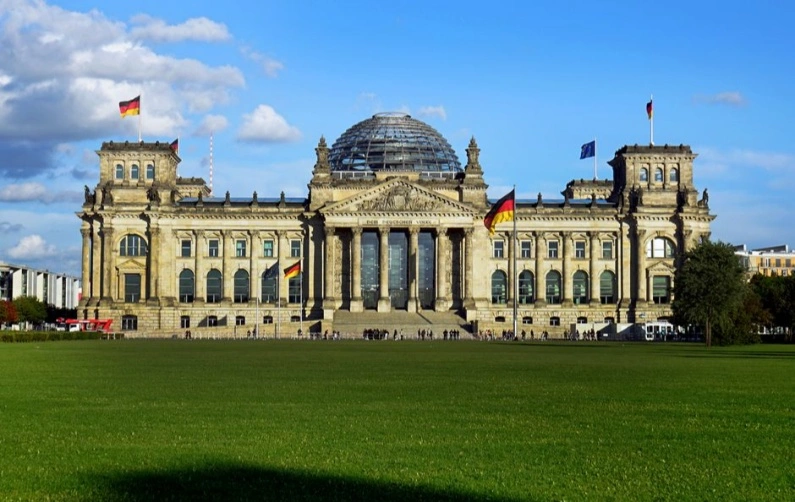
Section: Politics
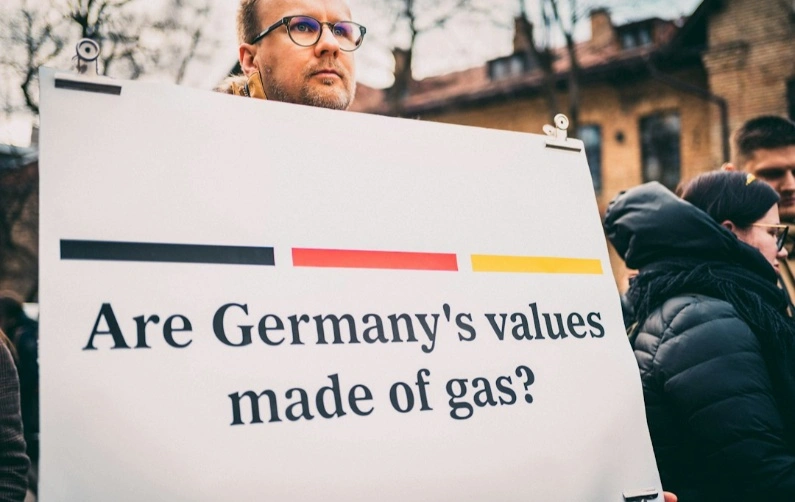
Section: News

Section: Fashion

Section: Arts
Both private Health Insurance in Germany and public insurance, is often complicated to navigate, not to mention expensive. As an expat, you are required to navigate this landscape within weeks of arriving, so check our FAQ on PKV. For our guide on resources and access to agents who can give you a competitive quote, try our PKV Calculator.
Germany is famous for its medical expertise and extensive number of hospitals and clinics. See this comprehensive directory of hospitals and clinics across the country, complete with links to their websites, addresses, contact info, and specializations/services.
Didn't manage to get a ticket for Linkin Park? Or still not enough after the concert? Join us at CRASH on June 12th for our "IN THE END" Linkin Park Special + CORE NIGHT.All night long, we'll be playing Linkin Park's music, along with Nu Metal, Metalcore, and Alternative Rock from bands such as Limp...



No comments yet. Be the first to comment!