
German companies unprepared for AI-based cyber attacks
Section: Science
Recent scientific findings indicate that landscapes previously cleared of rainforest can experience substantial ecological recovery if agricultural activities cease. A comprehensive international study led by researchers from the Technical University of Darmstadt has demonstrated that both plant life and animal populations can rebound at a faster rate than previously anticipated, provided that nearby untouched forests remain intact.
In the study, a research team observed several rainforest sites in the Chocó region of northwestern Ecuador. These areas had experienced various forms of agricultural use prior to being set aside for natural regeneration. The team analyzed 16 groups of organisms, including animals, plants, and bacteria, encompassing thousands of species. Their assessment focused on how biodiversity and species composition evolved over time after agricultural abandonment and subsequent conservation efforts.
The researchers found that, within three decades, the biodiversity of these areas could return to over 90 percent of its original levels. Approximately 75 percent of characteristic animal and plant species were able to recolonize the recovering forests. The return of fauna such as bats, monkeys, mammals, and birds played a critical role in this process, as these species assist with seed dispersal and pollination. In addition, insects like dung beetles contributed to the reestablishment of plant communities by burying seeds, while numerous other species facilitated pollination, helping to restore the ecological balance.
The success of this regeneration process, however, was closely linked to the presence of nearby undisturbed rainforest. These intact forests served as reservoirs from which flora and fauna could spread into the rehabilitated areas. The recovery timeline varied depending on the type of organism and the specific prior use of the land, such as whether it had been a cocoa plantation or pastureland. Soil conditions and previous agricultural practices also influenced the speed and extent of ecological restoration.
Despite these encouraging results, the study also highlighted significant ongoing threats to global rainforests. Tropical rainforests house a large proportion of the world's biodiversity, but less than half of their original extent remains untouched. Deforestation rates continue to outpace conservation and restoration efforts, driven by land use changes and the impacts of climate change. The researchers estimate that between four and six million hectares of rainforest are lost annually--equivalent to approximately the size of Costa Rica each year. These losses closely match the total area currently subject to long-term restoration initiatives worldwide.
Experts emphasize that while natural regeneration holds promise for restoring biodiversity and ecosystem functions, the preservation of remaining primary forests is crucial. Without these intact habitats, the natural recolonization process would be severely limited, and many species could face local extinction. The study underscores the urgent need for increased protection and effective management of the world's remaining rainforests to safeguard their ecological integrity for future generations.
Section: Science

Section: Business

Section: Business

Section: Science

Section: News
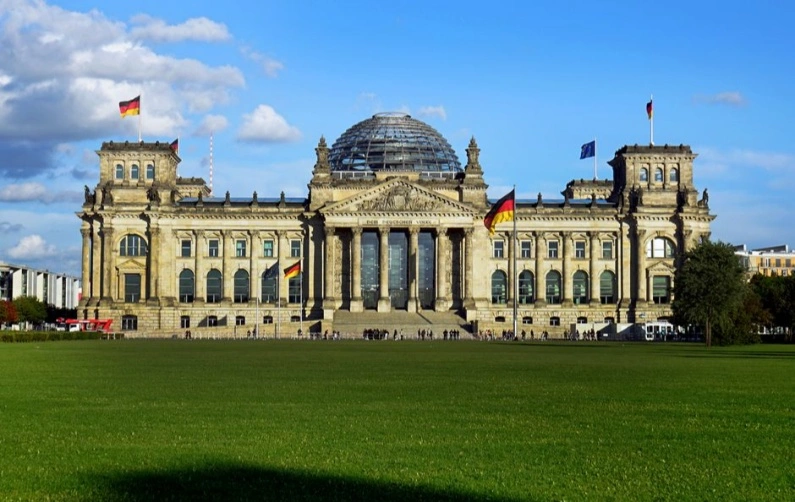
Section: Politics

Section: News

Section: Fashion

Section: Arts

Section: Fashion
Both private Health Insurance in Germany and public insurance, is often complicated to navigate, not to mention expensive. As an expat, you are required to navigate this landscape within weeks of arriving, so check our FAQ on PKV. For our guide on resources and access to agents who can give you a competitive quote, try our PKV Calculator.
Germany is famous for its medical expertise and extensive number of hospitals and clinics. See this comprehensive directory of hospitals and clinics across the country, complete with links to their websites, addresses, contact info, and specializations/services.
Didn't manage to get a ticket for Linkin Park? Or still not enough after the concert? Join us at CRASH on June 12th for our "IN THE END" Linkin Park Special + CORE NIGHT.All night long, we'll be playing Linkin Park's music, along with Nu Metal, Metalcore, and Alternative Rock from bands such as Limp...



No comments yet. Be the first to comment!