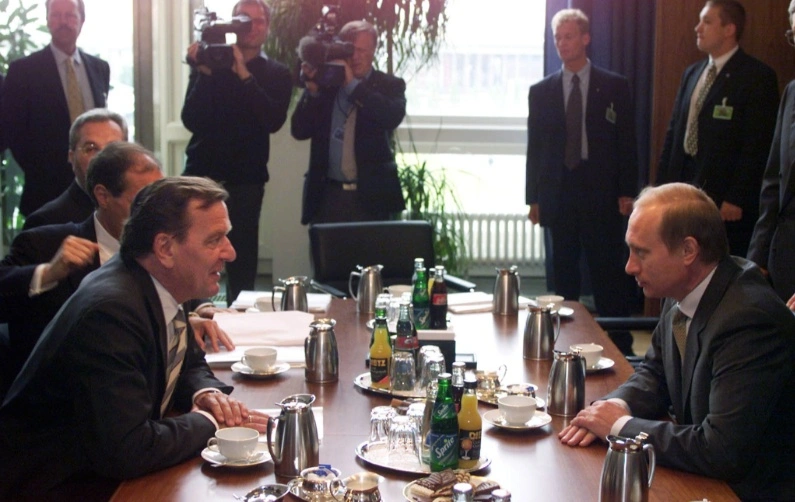
Former German Chancellor Schröder criticised for attending Putin's birthday
Section: News
The Austrian government has confirmed that there will be no adjustments to family allowance and child care benefits in the next two years, as stated by Family Minister Claudia Plakolm. This decision comes amid efforts to consolidate the budget, which also includes changes to payments for displaced Ukrainians.
Earlier this year, the National Council extended benefits for Ukrainian refugees until the end of October. However, Minister Plakolm has announced the formation of a task force to review current regulations due to concerns about potential misuse of these benefits. Chancellor Christian Stocker has previously defended the upcoming budget cuts affecting families, emphasizing that no one will receive less money overall, but that increases will be temporarily halted.
Currently, family allowances are disbursed based on the age of the child, with monthly amounts set at EUR138.40 for children aged 0-2, EUR148 for those aged 3-9, EUR171.80 for children aged 10-18, and EUR200.40 for individuals aged 19 and older. The decision to freeze the adjustment is expected to result in an average loss of EUR4.20 per month per family, leading to savings of over EUR100 million in 2026 and more than EUR200 million in 2027. The child care benefit will also see substantial savings, with an estimated EUR30 million saved in 2026 and EUR55 million in 2027.
This year, the necessary adjustments for benefits had already been implemented. The Family Ministry is also looking to improve the efficiency of project management, with plans to reduce project-based funding by up to 10% and cut administrative expenses, including printing costs.
Chancellor Stocker acknowledged that during times of fiscal constraint, difficult choices must be made. However, he highlighted that Austria maintains one of the highest levels of family support in Europe. NEOS leader Beate Meinl-Reisinger has pointed out that measures are being taken to improve services related to child care and education, emphasizing the ongoing efforts to enhance the system.
Meanwhile, Vice Chancellor Andreas Babler has refrained from commenting on specific budgetary details ahead of Finance Minister Markus Marterbauer's upcoming budget address. However, he has expressed support for the mutually agreed-upon budgetary savings.
The opposition has reacted strongly to the announcement. The Freedom Party's social spokesperson, Dagmar Belakowitsch, criticized the decision, arguing that it is unacceptable for Austrian families and single parents to face financial losses while social benefits are allocated to individuals who have not contributed to the Austrian system. Green Party representatives echoed these sentiments, asserting that the suspension of the adjustment equates to a cut in support for children and families.
Caritas General Secretary Anna Parr has stated that while some savings are necessary, they must not adversely affect the most vulnerable populations. She described the suspension of the adjustment as a regrettable setback for those at risk of poverty.
Regarding the previously agreed-upon salary increases for civil servants in 2026, Chancellor Stocker mentioned that this element is not part of the current budgetary consolidation efforts. Under existing laws, salaries will be adjusted by 0.3% above inflation next year, following a year where they fell short of inflation rates. Stocker indicated that while the agreements are legally binding, there may be room for discussion should there be a general willingness for restraint during collective bargaining negotiations.
Overall, the government is navigating challenging financial circumstances, aiming to balance fiscal responsibility with the need to support families and vulnerable groups in society.
Section: News

Section: Science

Section: Business

Section: Business

Section: Science

Section: News
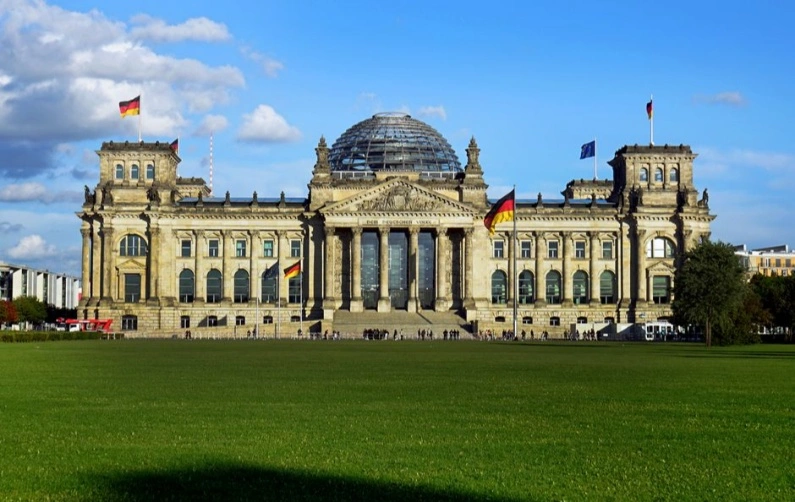
Section: Politics
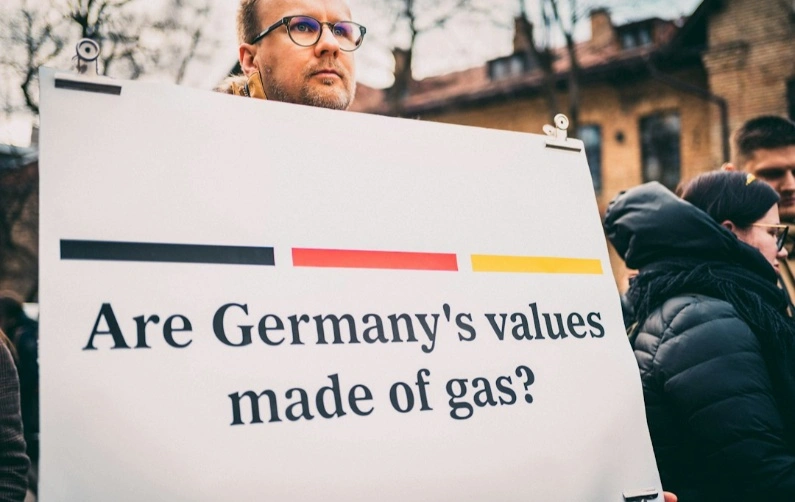
Section: News

Section: Fashion
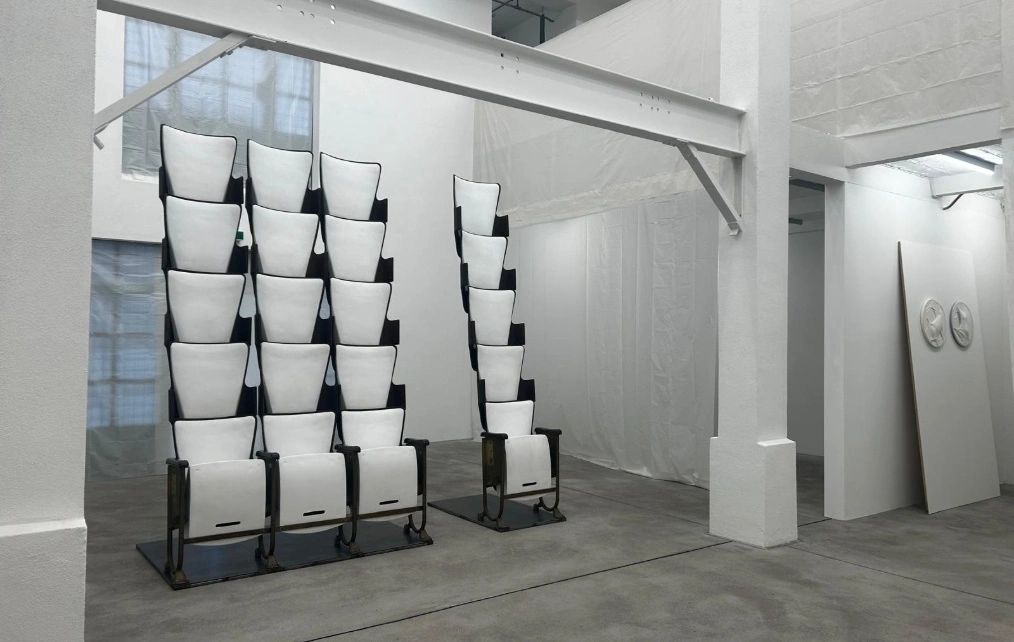
Section: Arts
Both private Health Insurance in Germany and public insurance, is often complicated to navigate, not to mention expensive. As an expat, you are required to navigate this landscape within weeks of arriving, so check our FAQ on PKV. For our guide on resources and access to agents who can give you a competitive quote, try our PKV Calculator.
Germany is famous for its medical expertise and extensive number of hospitals and clinics. See this comprehensive directory of hospitals and clinics across the country, complete with links to their websites, addresses, contact info, and specializations/services.
Didn't manage to get a ticket for Linkin Park? Or still not enough after the concert? Join us at CRASH on June 12th for our "IN THE END" Linkin Park Special + CORE NIGHT.All night long, we'll be playing Linkin Park's music, along with Nu Metal, Metalcore, and Alternative Rock from bands such as Limp...



No comments yet. Be the first to comment!