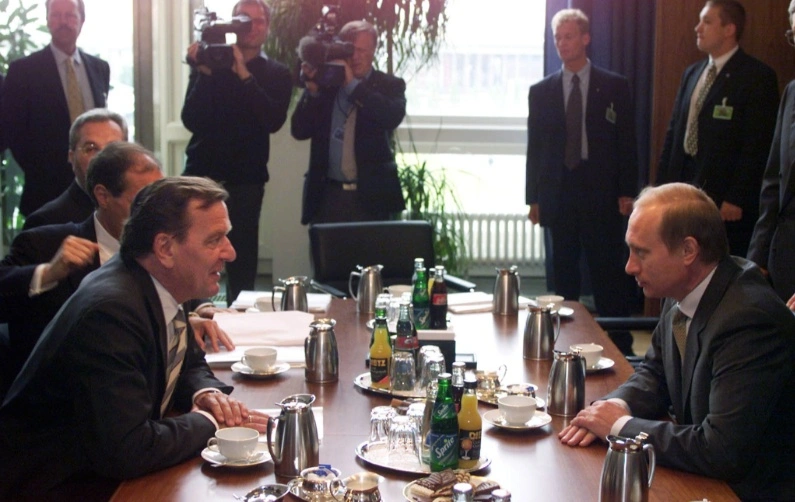
Former German Chancellor Schröder criticised for attending Putin's birthday
Section: News
Recent data from Statistics Sweden (SCB) indicates a significant advantage for the opposition ahead of the upcoming autumn elections. In response to these findings, the Moderate Party has intensified its scrutiny of the Social Democrats' election pledges, emphasizing concerns regarding the financial feasibility of their proposed policies.
On Friday, representatives from the Moderate Party, including the Minister for Finance and the Minister for Justice, presented their analysis of the anticipated costs associated with the opposition's promises. Their assessment suggests that fulfilling these commitments would require considerable tax increases. The Moderates argue that the opposition's pledges exceed available fiscal resources, raising the potential for higher taxes if those promises are implemented.
Moderate Party officials have stated that, with just 100 days remaining until the national vote, it is essential to clarify the distinctions between party platforms for voters. According to the finance minister, the party believes it is necessary to present an accurate depiction of the current political and economic challenges, as well as proposed solutions, even if those measures involve difficult decisions.
The Moderates maintain that the Social Democrats are not fully transparent about the costs of their proposals and that this lack of clarity could have significant implications for public finances. Meanwhile, parties aligned with the current government coalition, known as the Tidö Agreement parties, have begun releasing their own manifestos. The Sweden Democrats have outlined plans for comprehensive dental care reform, while the Liberals are prioritizing investments in education and advocating for tax reductions.
Addressing the financial aspects of these policy initiatives, the finance minister noted that the Tidö parties have demonstrated an ability to reach consensus on budgetary matters over the past term. She emphasized that these parties have managed to reprioritize existing resources and are collectively committed to avoiding increases in taxes on work and savings.
When asked if all proposals from coalition partners would be adopted, the finance minister explained that, as is typical in budget negotiations, not every initiative would be implemented in full. This approach, she suggested, reflects the reality of coalition governance and the necessity of compromise.
The Moderates have also cited Stockholm as an example of the potential impact of tax policy, pointing to recent increases in municipal taxes under the city's center-left administration. Despite these tax hikes, SCB's latest measurements show that the Social Democrats and their allies are gaining ground in the capital, while the Moderates have seen a decline in support. The finance minister acknowledged that tax issues are only one factor influencing voter preferences, but stressed the importance of reminding the public of recent tax increases affecting ordinary citizens. She argued that many residents have had to adjust their lifestyles as a result of these changes and reiterated the Moderates' commitment to strengthening purchasing power through tax reductions.
In response to the Moderates' statements, representatives from the Social Democrats have pushed back, criticizing the governing coalition's economic performance. A spokesperson for the opposition party asserted that the current administration has increased borrowing and expanded the national debt, and claimed that most households would have experienced greater financial stability under Social Democratic policies. The spokesperson also questioned the current direction of the Moderate Party.
As the election campaign intensifies, both blocs are seeking to differentiate their economic policies and fiscal strategies, with taxation and public spending emerging as central topics in the political debate.
Section: News

Section: Science
Section: Business

Section: Business

Section: Science

Section: News

Section: Politics

Section: News

Section: Fashion
Section: Arts
Both private Health Insurance in Germany and public insurance, is often complicated to navigate, not to mention expensive. As an expat, you are required to navigate this landscape within weeks of arriving, so check our FAQ on PKV. For our guide on resources and access to agents who can give you a competitive quote, try our PKV Calculator.
Germany is famous for its medical expertise and extensive number of hospitals and clinics. See this comprehensive directory of hospitals and clinics across the country, complete with links to their websites, addresses, contact info, and specializations/services.
Didn't manage to get a ticket for Linkin Park? Or still not enough after the concert? Join us at CRASH on June 12th for our "IN THE END" Linkin Park Special + CORE NIGHT.All night long, we'll be playing Linkin Park's music, along with Nu Metal, Metalcore, and Alternative Rock from bands such as Limp...



No comments yet. Be the first to comment!