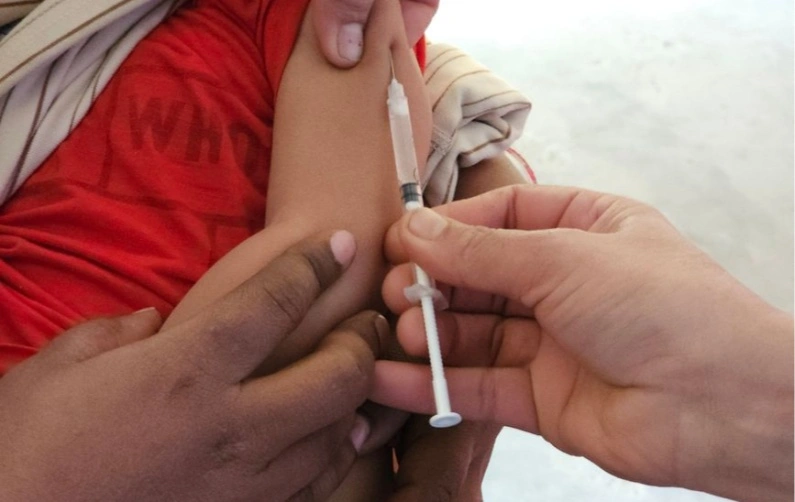
Child Vaccination Rates Decline in Germany Amid Health Concerns
Section: Health
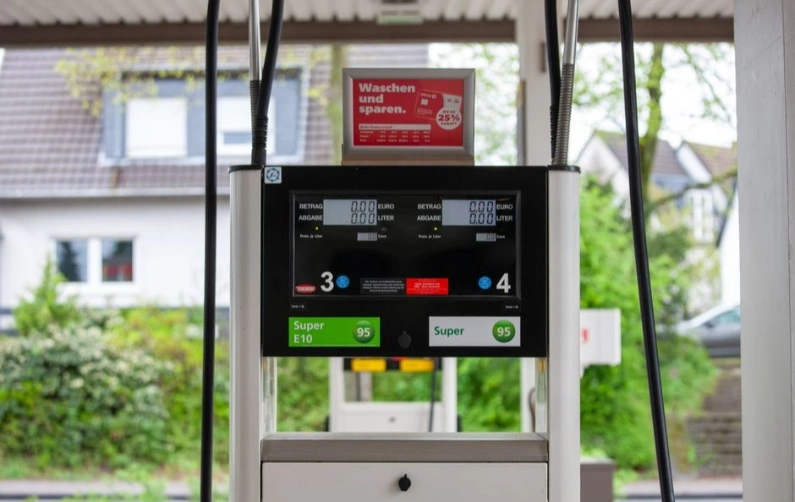
The ongoing conflict in the Middle East is having far-reaching repercussions beyond the immediate humanitarian crisis. The recent escalation has significantly affected international energy and raw material markets, causing a sharp increase in oil and gas prices. Targeted attacks on extraction facilities, storage depots, and export terminals, alongside the blockade of critical maritime routes such as the Strait of Hormuz, have led to a substantial disruption in global energy supplies. This situation is likely to raise electricity costs worldwide, putting additional strain on the global economy and household budgets.
One of the less obvious but critical sectors impacted by these developments is the global agrifood industry. The disruption of fertilizer production and exports from the Middle East has raised concerns among industry experts regarding the rising cost and decreasing availability of food products. Synthetic nitrogen fertilizers, which are essential for intensive agricultural practices across the globe, are heavily dependent on natural gas as a primary input. The Gulf states, in particular, account for approximately one-third of global nitrogen fertilizer exports. Numerous countries in Africa, Asia--including India--and Latin America, especially Brazil, rely extensively on these imports to support their agricultural sectors.
As fertilizer supplies become restricted and prices escalate, agricultural production costs are expected to rise. Combined with higher energy prices, this trend is projected to cause a substantial increase in food prices globally. Additionally, producers--particularly in developing nations--may find it increasingly difficult to afford the necessary fertilizers, leading to decreased yields. Reduced agricultural productivity could further tighten global food supplies at a time when demand continues to grow with the world's expanding population.
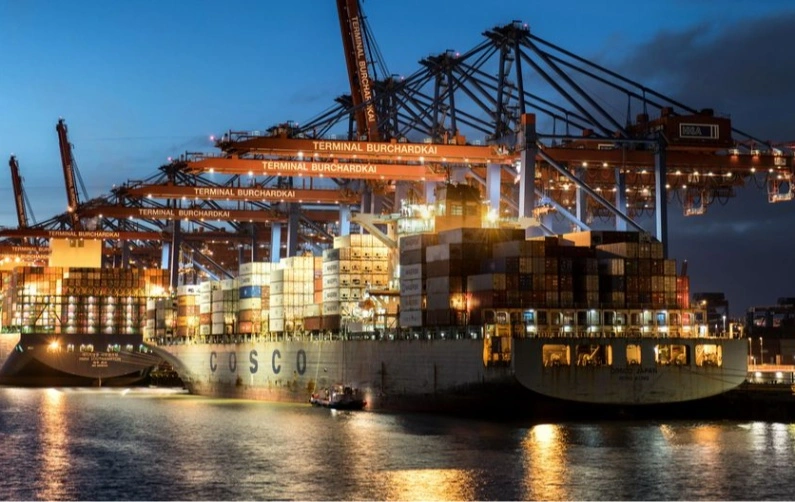
Compounding these challenges is the increased attractiveness of biofuel production as oil prices surge. As the profitability of producing biofuels from crops like maize, soybeans, and palm oil improves, more agricultural output may be diverted away from food supply chains and into energy markets. This shift is anticipated to create direct competition between food and fuel production, intensifying the pressure on food availability and pricing.
International organizations are already warning of potentially severe consequences. Projections suggest that millions more people could face hunger due to the ripple effects of the conflict on global food systems. The interconnected nature of international food trade means that disruptions in one region can have cascading effects across the globe, impacting food access even in distant communities. The situation underscores how geopolitical instability in energy-producing regions can threaten food security worldwide, emphasizing the need for diversified supply chains and resilient agricultural systems.
In summary, the conflict in the Middle East is not only a humanitarian issue but also a catalyst for global economic and food security challenges. Addressing these interconnected risks requires coordinated international responses to stabilize energy supplies, ensure continued fertilizer production and distribution, and protect vulnerable populations from the escalating threat of food insecurity.
Section: Health
Section: Politics
Section: Politics

Section: Business
Section: Business

Section: Arts

Section: Business

Section: News
Section: Business
Section: News
Both private Health Insurance in Germany and public insurance, is often complicated to navigate, not to mention expensive. As an expat, you are required to navigate this landscape within weeks of arriving, so check our FAQ on PKV. For our guide on resources and access to agents who can give you a competitive quote, try our PKV Calculator.
Germany is famous for its medical expertise and extensive number of hospitals and clinics. See this comprehensive directory of hospitals and clinics across the country, complete with links to their websites, addresses, contact info, and specializations/services.
Didn't manage to get a ticket for Linkin Park? Or still not enough after the concert? Join us at CRASH on June 12th for our "IN THE END" Linkin Park Special + CORE NIGHT.All night long, we'll be playing Linkin Park's music, along with Nu Metal, Metalcore, and Alternative Rock from bands such as Limp...



No comments yet. Be the first to comment!