
German companies unprepared for AI-based cyber attacks
Section: Science
Archaeologists have uncovered disturbing new details about a mass grave dating back to the early Iron Age, which has revealed evidence of a brutal massacre primarily targeting women and children. The site, located in Gomolava in northern Serbia, was first discovered in the 1970s and contained the remains of 77 individuals. Initially, researchers believed that those buried had succumbed to disease, but recent analysis has led experts to an entirely different conclusion.
New investigations conducted by British and Danish research teams have involved advanced osteological and genetic analyses of the skeletal remains. These studies revealed that nearly all the victims were women and children, many of whom showed clear signs of having suffered lethal, forceful blows, predominantly to the head. The pattern of injuries, including defensive wounds on the arms of some victims, suggests that they faced extreme violence in their final moments and may have attempted to protect themselves.
Of the 77 individuals, one was an infant, and 37 were aged between one and twelve years. Fifteen others were teenagers or young adults. The nature of the wounds and their location indicate that the perpetrators were likely taller than the victims or possibly mounted on horseback, given the downward trajectory of many of the blows. Forensic analysis supports the theory that the massacre was at least partially organized, as the victims were buried in a single event shortly after their deaths.
Genetic and isotopic studies, including strontium analysis of bones and teeth, have provided additional insights into the backgrounds of the victims. The data indicate that, apart from a single family group--a mother and her two children--there were no close familial relationships among the deceased. This suggests the victims originated from various locations within the region, rather than from a single community. Such findings raise challenging questions about the motives behind the mass killing, as it appears to have involved the deliberate targeting of disparate groups of women and children.
The reasons for this act of violence remain unclear. Experts suggest that, like much of the violence recorded throughout history, the massacre may have been driven by competition for resources, power struggles, or efforts to assert dominance within the region. The area surrounding Gomolava, situated in the Pannonian Basin near the Sava River, has long been a crossroads for different cultures and populations. During the Iron Age, this region was inhabited by both settled agricultural communities and more mobile groups, increasing the likelihood of social tension and conflict.
The research highlights the complexity of understanding violence in ancient societies. While the scale and brutality of the Gomolava massacre stand out, the interpretation of such events must take into account the cultural context of the time. The concept of childhood, for example, has changed significantly over the centuries, and the roles and expectations of young people in Iron Age societies would have differed considerably from those of today.
The findings, published in a leading scientific journal, underscore the importance of revisiting archaeological discoveries with modern techniques. They also provide new perspectives on the social dynamics, mobility, and potential sources of conflict in prehistoric Europe. The mass grave at Gomolava serves as a somber reminder of the challenges faced by ancient communities and the often-violent realities of their existence.
Section: Science

Section: Business

Section: Business

Section: Science

Section: News
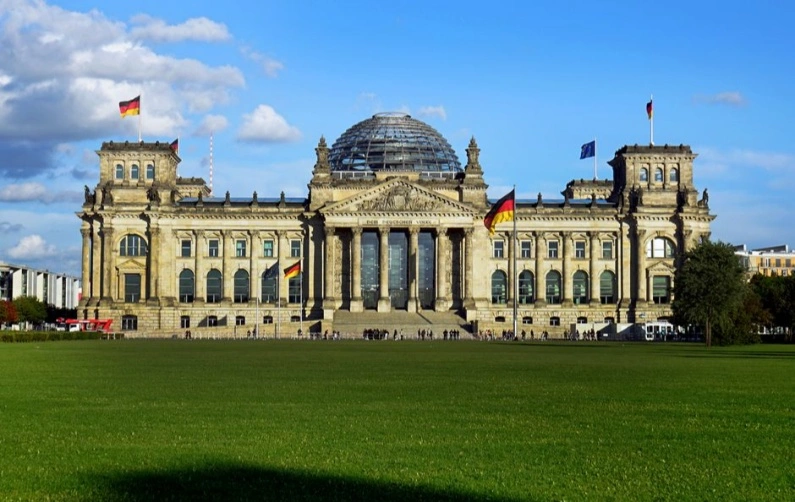
Section: Politics
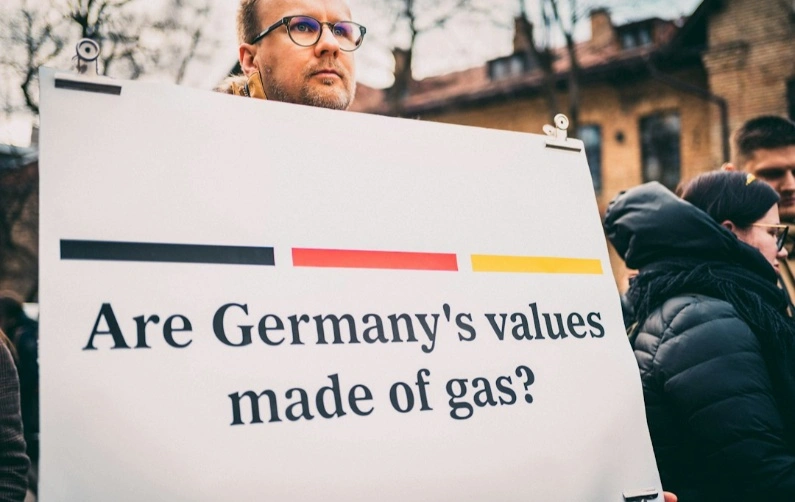
Section: News

Section: Fashion

Section: Arts

Section: Fashion
Both private Health Insurance in Germany and public insurance, is often complicated to navigate, not to mention expensive. As an expat, you are required to navigate this landscape within weeks of arriving, so check our FAQ on PKV. For our guide on resources and access to agents who can give you a competitive quote, try our PKV Calculator.
Germany is famous for its medical expertise and extensive number of hospitals and clinics. See this comprehensive directory of hospitals and clinics across the country, complete with links to their websites, addresses, contact info, and specializations/services.
Didn't manage to get a ticket for Linkin Park? Or still not enough after the concert? Join us at CRASH on June 12th for our "IN THE END" Linkin Park Special + CORE NIGHT.All night long, we'll be playing Linkin Park's music, along with Nu Metal, Metalcore, and Alternative Rock from bands such as Limp...



No comments yet. Be the first to comment!