
German companies unprepared for AI-based cyber attacks
Section: Science
The German government has blocked a proposed acquisition by the Chinese state-owned maritime transport company, Cosco, to acquire a majority stake in the Hamburg-based logistics firm, Zippel. The decision was announced following a cabinet meeting, citing national security concerns as the primary reason for preventing the purchase.
Although the Federal Cartel Office previously approved the acquisition from an antitrust perspective, the Federal Ministry for Economic Affairs moved to prohibit the transaction. A spokesperson from the ministry explained that allowing Cosco to acquire an 80 percent stake in Zippel could exacerbate dependency issues and potentially compromise the resilience of supply chains within Germany and the European Union.
The Zippel company, which employs approximately 350 people and operates transportation services by train, ship, and truck through key German ports like Hamburg and Bremerhaven, had intended to sell its shares to Cosco. However, the ministry highlighted that while Germany welcomes foreign investment, it remains vigilant regarding investments that might pose threats to the country's security.
Ministerial approval for such acquisitions is guided by Germany’s Foreign Trade and Payments Act and its corresponding ordinance, which allow the government to review foreign buyers’ intent to ascertain whether they might disrupt public order or security. In this case, the Federal Office for the Protection of the Constitution raised concerns earlier this year about the potential implications of the deal.
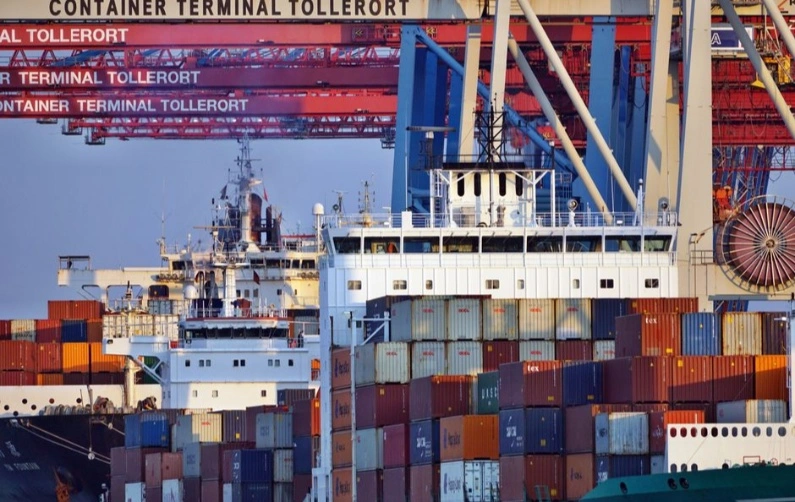
Cosco is a major global player in the shipping industry and already holds a 24.99 percent stake in the Hamburg Container Terminal Tollerort. This previous acquisition was the subject of considerable political debate in Germany. In 2022, the federal government deliberated extensively before settling on a compromise allowing Chinese entities to hold a minority stake.
The move to block the acquisition of the Zippel shares is consistent with ongoing scrutiny of foreign investments in strategic sectors, following broader geopolitical concerns about dependency on Chinese companies for critical infrastructure. The transport and logistics sectors are seen as pivotal in maintaining supply chain security, hence the heightened oversight.
This decision comes amid a broader re-evaluation among European countries of their economic relationships with China, especially in sectors deemed critical to national security. Such measures are part of a larger trend where nations are attempting to safeguard their supply chains from foreign influence that could potentially be leveraged to disrupt their economies.
The Zippel case serves as a prominent example of the delicate balance between fostering economic ties with China and protecting national interests. It underscores the complexities nations face in managing international economic relations while ensuring robust mechanisms are in place to protect critical infrastructure sectors.
The fallout from this decision could have broader implications for other pending and future Chinese investments in the region. As countries navigate these challenging waters, the need for clear policies balancing trade interests with national security concerns becomes evident.
Section: Science
Section: Business

Section: Business
Section: Science
Section: News
Section: Politics
Section: News

Section: Fashion
Section: Arts

Section: Fashion
Both private Health Insurance in Germany and public insurance, is often complicated to navigate, not to mention expensive. As an expat, you are required to navigate this landscape within weeks of arriving, so check our FAQ on PKV. For our guide on resources and access to agents who can give you a competitive quote, try our PKV Calculator.
Germany is famous for its medical expertise and extensive number of hospitals and clinics. See this comprehensive directory of hospitals and clinics across the country, complete with links to their websites, addresses, contact info, and specializations/services.
Didn't manage to get a ticket for Linkin Park? Or still not enough after the concert? Join us at CRASH on June 12th for our "IN THE END" Linkin Park Special + CORE NIGHT.All night long, we'll be playing Linkin Park's music, along with Nu Metal, Metalcore, and Alternative Rock from bands such as Limp...



No comments yet. Be the first to comment!