
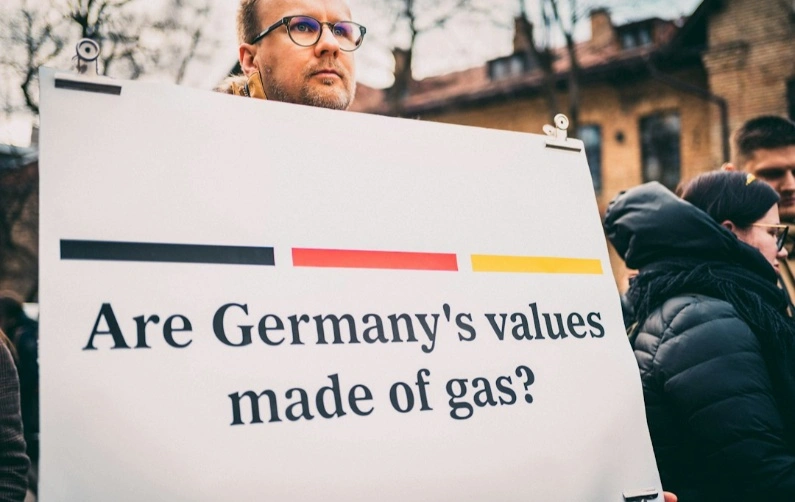
Former German Chancellor Schröder criticised for attending Putin's birthday
Section: News
The German Bundestag has enacted a comprehensive pension reform package following extensive internal debate within the ruling coalition of CDU/CSU and SPD. The legislation, which received 318 votes in favor, 225 against, and 53 abstentions, introduces significant changes to the national pension system and marks a notable policy development in Germany's social security landscape.
The new pension framework aims to stabilize the pension level, extend the so-called maternal pension, and introduce incentives for prolonged employment through the creation of an 'active pension.' The core provision ensures that the pension level will remain at a minimum of 48 percent of the average wage until at least 2031, providing greater predictability for future retirees. Additionally, parental contribution periods for children born before 1992 will be increased by six months, raising the monthly pension per child by approximately 20 euros and benefiting an estimated ten million parents.
The legislation also introduces the active pension, which allows retirees to earn up to 2,000 euros per month tax-free if they choose to continue working. Further measures include the strengthening of occupational pension schemes, aiming to enhance the long-term stability and adequacy of retirement income.
The financial implications of the reforms are considerable. Projections indicate that the stabilization of the pension level and expansion of the maternal pension alone could cost the federal budget nearly 185 billion euros by 2039. The German pension insurance system will receive full reimbursement of these costs from federal tax revenues. These long-term fiscal commitments were a particular point of contention, especially among younger members of the ruling coalition, who expressed concerns about the sustainability of public finances beyond 2031.
Alongside pension reform, the Bundestag has also approved legislation to reinforce national defense by expanding military service. The new law prioritizes voluntary service but includes provisions for compulsory conscription should recruitment targets not be met. The objective is to increase the number of active soldiers from the current 183,000 to between 255,000 and 270,000 by 2035, supplemented by 200,000 reservists.
All individuals aged 18 will be required to complete a questionnaire assessing their motivation and suitability for military service, with men born after January 2008 subject to mandatory assessment. The program offers incentives for volunteers, such as a monthly gross allowance of approximately 2,600 euros and subsidies toward obtaining a driver's license. Volunteer service is set at a minimum of six months, primarily for homeland security and support functions, but those assigned to active duty will undergo more extensive training.
Should voluntary enlistment fall short, the Bundestag may authorize a selective conscription process. Details for compulsory selection will be established in future legislation. The federal government will report biannually to parliament on volunteer recruitment figures starting in 2027.
The backdrop for these military reforms is the heightened security environment resulting from ongoing geopolitical tensions, particularly Russia's actions in Ukraine. The measures are intended to bolster Germany's defense capabilities and ensure adequate personnel for both active and reserve roles in the armed forces.
The Bundesrat, Germany's upper house, must still approve both the pension and military service reforms before they take effect. If enacted, the new regulations are scheduled to commence in January 2026. These legislative changes represent significant policy shifts with far-reaching implications for Germany's social and security systems.
Section: News

Section: Science

Section: Business

Section: Business

Section: Science

Section: News

Section: Politics
Section: News

Section: Fashion

Section: Arts
Both private Health Insurance in Germany and public insurance, is often complicated to navigate, not to mention expensive. As an expat, you are required to navigate this landscape within weeks of arriving, so check our FAQ on PKV. For our guide on resources and access to agents who can give you a competitive quote, try our PKV Calculator.
Germany is famous for its medical expertise and extensive number of hospitals and clinics. See this comprehensive directory of hospitals and clinics across the country, complete with links to their websites, addresses, contact info, and specializations/services.
Didn't manage to get a ticket for Linkin Park? Or still not enough after the concert? Join us at CRASH on June 12th for our "IN THE END" Linkin Park Special + CORE NIGHT.All night long, we'll be playing Linkin Park's music, along with Nu Metal, Metalcore, and Alternative Rock from bands such as Limp...



No comments yet. Be the first to comment!