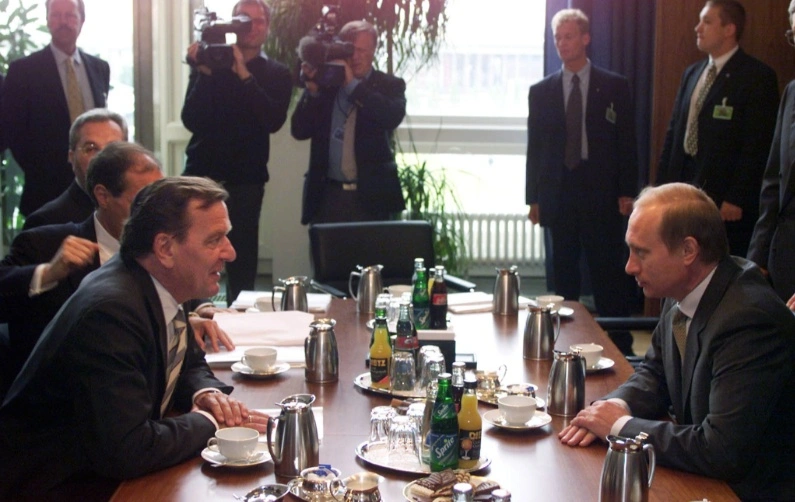
Former German Chancellor Schröder criticised for attending Putin's birthday
Section: News
The Freedom Party of Austria (FPÖ) has voiced strong reservations regarding the government's proposed amendments to tax legislation. In a recent session of the National Council, party representative Maximilian Linder outlined concerns over several aspects of the legislative package, emphasizing the need for fiscal restraint within the government itself, rather than introducing new tax burdens on citizens.
The tax reform bill includes modifications to existing tax laws, with certain measures being recognized by opposition figures as potentially beneficial. Among these is the proposed expansion of the Tobacco Monopoly Act, which now seeks to include additional products. This expansion is intended to have a positive impact on public health and provide increased protection for tobacco retailers. However, the legislation also introduces an increase in tobacco taxes, a point of contention for the FPÖ. Linder argued that the government has not sufficiently acknowledged the impact this tax hike would have on consumers and small businesses, particularly in light of the current economic climate.
Another significant provision in the bill is the requirement for mandatory digital registration of distillation equipment used by small-scale alcohol producers. While the government maintains that digital reporting streamlines oversight and aligns with modern regulatory standards, the FPÖ raised concerns about the potential challenges this poses for hobbyists and older small-scale farmers, many of whom may lack the digital skills or resources to comply easily. The party argued that traditional schnapps distilling represents an important aspect of rural cultural heritage and should not be jeopardized by administrative or technological obstacles.
The Freedom Party's criticism extends to the broader context of government expenditure. According to the party, the current administration is operating with historically high costs and staffing levels, and is seeking to finance its operations through additional taxes rather than implementing internal cost-saving measures. The FPÖ maintains that any new fiscal measures should be preceded by a thorough review and reduction of governmental spending, to alleviate the financial pressure on citizens and small enterprises.
Despite recognizing the value of certain elements within the legislative package, the FPÖ ultimately opposes the overall tax reform in its present form, citing the introduction of new taxes and digital requirements that may disproportionately affect individuals in rural areas. The party has called for a revised approach that prioritizes spending cuts at the governmental level and emphasizes policies that support, rather than burden, local communities and businesses.
The debate over the proposed tax changes reflects ongoing tensions within Austrian politics regarding fiscal policy, government size, and the balance between modernization and the preservation of traditional practices. As the legislative process continues, stakeholders from various sectors are closely monitoring the implications of the reforms for both the national economy and day-to-day life in Austria's regions.
Section: News

Section: Science

Section: Business

Section: Business
Section: Science
Section: News
Section: Politics
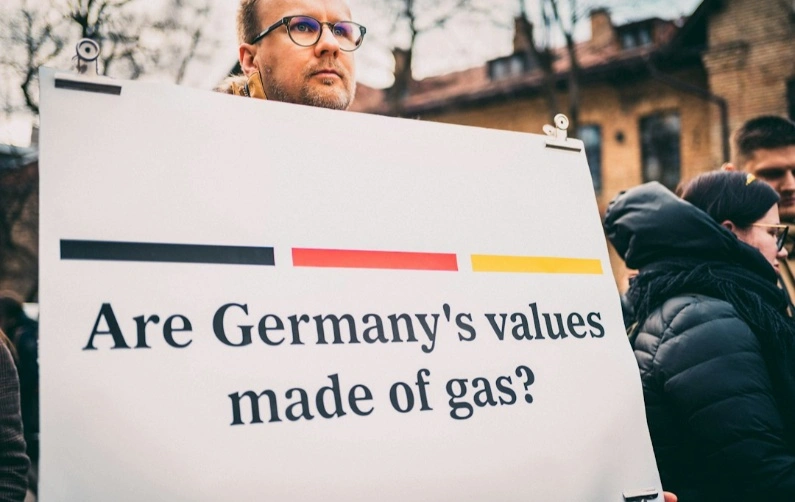
Section: News
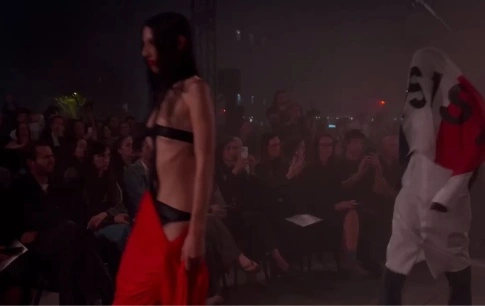
Section: Fashion
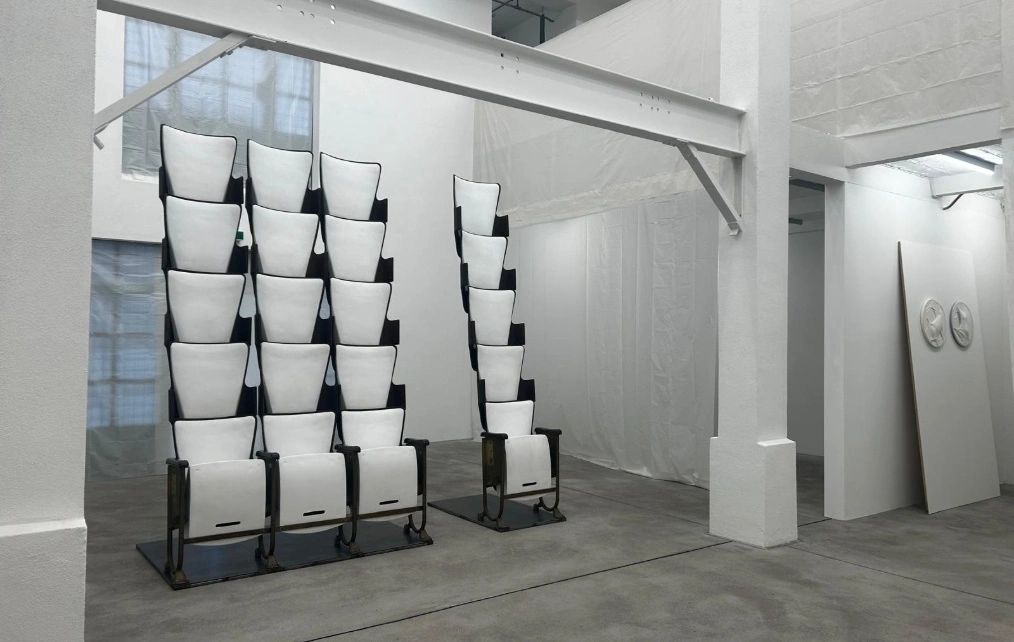
Section: Arts
Both private Health Insurance in Germany and public insurance, is often complicated to navigate, not to mention expensive. As an expat, you are required to navigate this landscape within weeks of arriving, so check our FAQ on PKV. For our guide on resources and access to agents who can give you a competitive quote, try our PKV Calculator.
Germany is famous for its medical expertise and extensive number of hospitals and clinics. See this comprehensive directory of hospitals and clinics across the country, complete with links to their websites, addresses, contact info, and specializations/services.
Didn't manage to get a ticket for Linkin Park? Or still not enough after the concert? Join us at CRASH on June 12th for our "IN THE END" Linkin Park Special + CORE NIGHT.All night long, we'll be playing Linkin Park's music, along with Nu Metal, Metalcore, and Alternative Rock from bands such as Limp...

No comments yet. Be the first to comment!