
German companies unprepared for AI-based cyber attacks
Section: Science
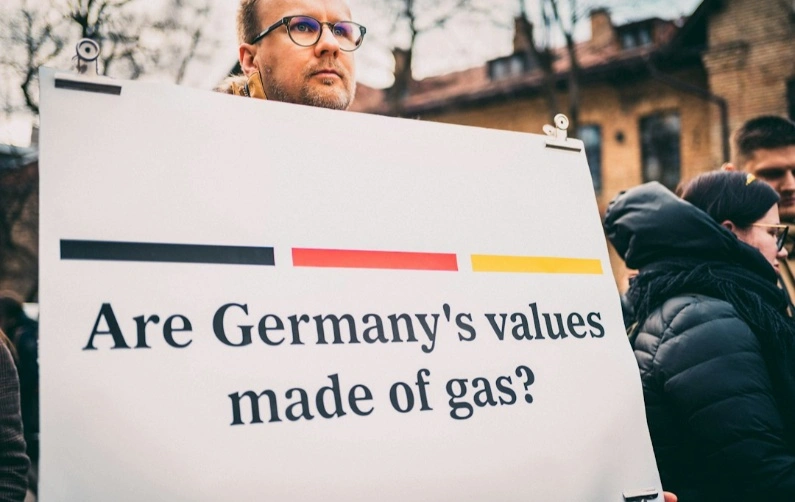
Energy markets in Europe continue to experience volatility, as natural gas prices have reached their highest levels since 2023. Despite efforts by the United States to stabilize crucial shipping routes in the Middle East, uncertainty persists regarding the security of energy supplies, leading to a sustained rally in European gas futures.
The escalation of conflict in Iran has significantly impacted global oil and gas markets. In response, the US administration has announced plans to deploy naval vessels to escort commercial ships through the Strait of Hormuz, a strategic chokepoint for international energy shipments. This measure aims to ensure the safe passage of oil and liquefied natural gas (LNG) carriers. However, current market data indicates that these actions have not been sufficient to reassure traders or curtail the upward momentum in gas prices.
The European TTF gas futures, the region's benchmark, have posted substantial gains for the third consecutive day. Trading volumes at the continent's primary gas exchange have also set new records, as investors adjust their positions in response to heightened price volatility. The rapid surge in prices has been exacerbated by the prevailing uncertainty and the need for traders to manage risk in a shifting market environment.
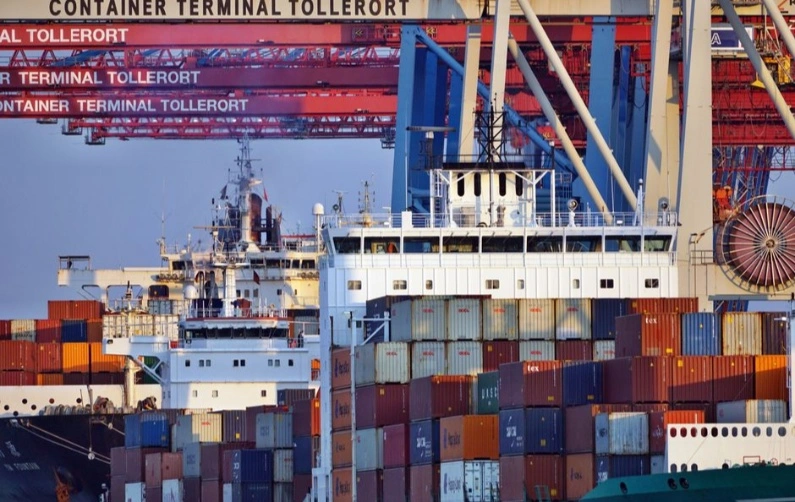
Adding to the market's concerns is the ongoing disruption at a major LNG facility in Qatar, which remains non-operational. This facility is a key global supplier of liquefied natural gas, and the lack of clarity regarding the timeline for resuming full production has intensified fears of a potential supply shortage. Although the physical impact on European gas inventories has not yet materialized--since LNG shipments already en route for March delivery are expected to arrive on schedule--there are growing apprehensions about the upcoming summer period. During this time, Europe will be required to replenish its gas storage, which has been significantly depleted over recent months.
Market analysts are also closely monitoring the potential rerouting of LNG tankers originally destined for Europe. Some shipments may be redirected to Asia or to Egypt, which faces its own supply challenges following the loss of pipeline imports from Israel. Such diversions could further constrain the availability of gas in Europe and contribute to continued price volatility.
The recent market developments come at a time when many investors had adopted a cautious outlook, anticipating relative stability in energy prices. The sudden escalation of geopolitical risk has caught some market participants off guard, prompting a rapid reassessment of risk exposure and contributing to the sharp rally in prices.
While the situation remains fluid, the coming months are expected to be critical for Europe's energy security. The ability to secure sufficient LNG imports, restore supply chains, and manage storage levels will play a decisive role in shaping the region's energy landscape and price stability.
As the conflict in the Middle East continues to evolve and the effectiveness of international efforts to stabilize shipping routes is tested, European energy markets are likely to remain on high alert. Market participants will be closely watching developments in supply, logistics, and geopolitical dynamics as they seek to navigate ongoing uncertainties.
Section: Science
Section: Business

Section: Business
Section: Science
Section: News
Section: Politics
Section: News

Section: Fashion
Section: Arts

Section: Fashion
Both private Health Insurance in Germany and public insurance, is often complicated to navigate, not to mention expensive. As an expat, you are required to navigate this landscape within weeks of arriving, so check our FAQ on PKV. For our guide on resources and access to agents who can give you a competitive quote, try our PKV Calculator.
Germany is famous for its medical expertise and extensive number of hospitals and clinics. See this comprehensive directory of hospitals and clinics across the country, complete with links to their websites, addresses, contact info, and specializations/services.
Didn't manage to get a ticket for Linkin Park? Or still not enough after the concert? Join us at CRASH on June 12th for our "IN THE END" Linkin Park Special + CORE NIGHT.All night long, we'll be playing Linkin Park's music, along with Nu Metal, Metalcore, and Alternative Rock from bands such as Limp...


No comments yet. Be the first to comment!