
German companies unprepared for AI-based cyber attacks
Section: Science
The European Union has issued a EUR550 million penalty against AliExpress, a major Chinese online marketplace, citing insufficient action to prevent the sale of illegal and unsafe products to European consumers. The decision, made public by the European Commission, follows an investigation that found counterfeit clothing, hazardous toys, and dangerous cosmetics remained available on the platform for extended periods despite regulations requiring their swift removal.
AliExpress, owned by the Alibaba Group, announced plans to appeal the decision, arguing that the fine does not fairly reflect the improvements made in policing its platform. The company maintains that it has taken significant steps to enhance product safety and compliance, but the European Commission concluded these actions were inadequate.
The Commission's findings highlight that merchants selling illegal products on AliExpress often faced little to no repercussions, enabling them to continue their operations. According to the EU, the platform did not allocate enough personnel to review potentially illegal listings, resulting in an overwhelming workload for existing staff. Additionally, the Commission noted that the marketplace sometimes recommended or promoted unlawful items before their eventual removal, allowing a variety of counterfeit apparel and unsafe children's products to circulate widely among European consumers.
The prevalence of counterfeit goods on AliExpress was a major concern for the Commission. Authorities argue that these products undercut legitimate businesses that invest in design, safety testing, and innovation. This practice forces compliant companies to compete with items that have avoided the associated costs and regulations, creating an uneven playing field within the European market. Digital Commissioner Henna Virkkunen stated that such behavior not only endangers European consumers but is also unfair to businesses adhering to legal standards.
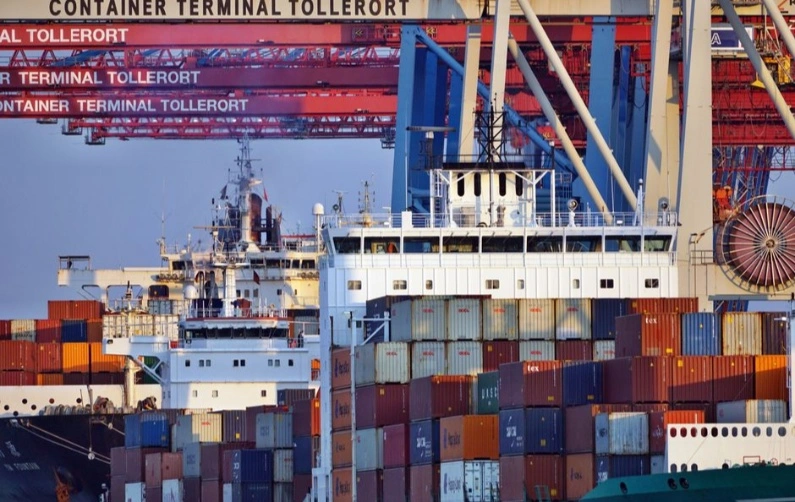
The rise of Asian e-commerce platforms such as AliExpress, Temu, and Shein has intensified competition in Europe, challenging traditional retail and customs authorities with an increasing volume of parcels entering from outside the EU. To address this issue, the EU recently introduced a levy of three euros per package valued at up to EUR150, aiming to curb the influx of low-cost imports.
Industry representatives within Europe have welcomed the Commission's decision, viewing it as a confirmation of longstanding concerns about the responsibilities of international online platforms. Trade associations emphasize the need for platforms selling millions of products in Europe to ensure the safety and legality of those items. The penalty is seen as a significant move toward establishing fairer trading conditions for European businesses.
Environmental and consumer protection groups have also called for stricter enforcement. Recommendations include measures that would allow authorities to suspend platforms with repeated violations, ensuring that entities profiting from European consumers are also accountable for their safety and rights.
AliExpress had previously offered concessions in 2025, pledging to improve its oversight of illegal and potentially dangerous goods, such as pharmaceuticals and dietary supplements. While these undertakings were initially accepted by the Commission, not all concerns were addressed. The company now has until October 20 to submit an updated action plan to the Commission, outlining further improvements. If the proposed measures are deemed satisfactory, the EU will set a deadline for their implementation. Should AliExpress fail to comply adequately, daily fines could be imposed.
The penalty is the largest issued under the Digital Services Act (DSA), which took effect in February 2024. The DSA imposes stringent requirements on large online platforms, with potential fines reaching up to six percent of a company's global annual turnover. Although the EUR550 million fine set a record under the new law, it remains well below the maximum possible penalty, which could exceed EUR7 billion based on Alibaba's reported annual revenue of approximately EUR120 billion, according to the Commission.
This latest development follows a recent EUR200 million fine against Temu, another Chinese online marketplace, for similar violations involving the sale of illegal goods in the EU. The Commission continues to monitor compliance among major e-commerce platforms to ensure the protection of European consumers and fair competition within the internal market.
Section: Science
Section: Business

Section: Business

Section: Science

Section: News

Section: Politics

Section: News

Section: Fashion

Section: Arts

Section: Fashion
Both private Health Insurance in Germany and public insurance, is often complicated to navigate, not to mention expensive. As an expat, you are required to navigate this landscape within weeks of arriving, so check our FAQ on PKV. For our guide on resources and access to agents who can give you a competitive quote, try our PKV Calculator.
Germany is famous for its medical expertise and extensive number of hospitals and clinics. See this comprehensive directory of hospitals and clinics across the country, complete with links to their websites, addresses, contact info, and specializations/services.
Didn't manage to get a ticket for Linkin Park? Or still not enough after the concert? Join us at CRASH on June 12th for our "IN THE END" Linkin Park Special + CORE NIGHT.All night long, we'll be playing Linkin Park's music, along with Nu Metal, Metalcore, and Alternative Rock from bands such as Limp...



No comments yet. Be the first to comment!