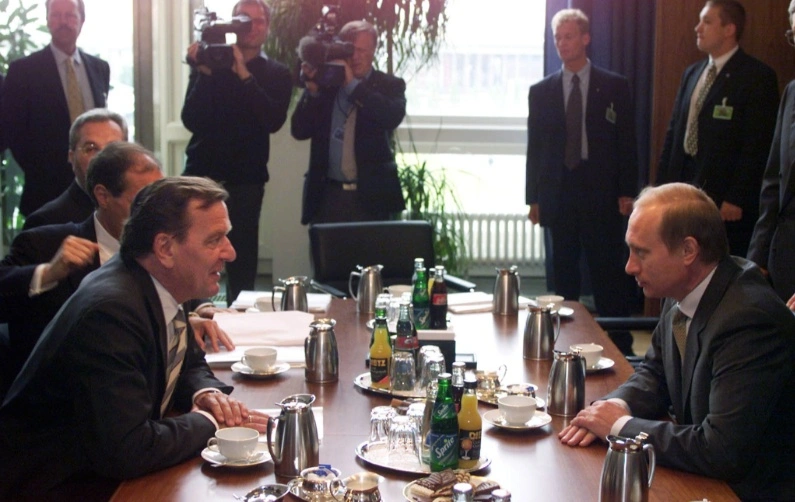
Former German Chancellor Schröder criticised for attending Putin's birthday
Section: News
The salaries of European Union civil servants have increased by 22.8% since 2022, following a series of adjustments linked to the cost of living in Brussels and Luxembourg. The latest pay rise, amounting to 3%, has been implemented retroactively from July 2024, according to official reports. This adjustment marks the eighth increase in just over three years.
Fiscal experts note that the cumulative salary growth for EU staff has resulted in an additional burden of approximately 365 million euros for taxpayers this year alone. The increases apply to all levels of EU employees, from entry-level staff to senior officials, including the President of the European Commission, whose monthly salary is expected to reach nearly 35,800 euros. This figure reflects a rise of around 1,000 euros compared to previous years.
The automatic nature of these pay adjustments has drawn criticism from multiple member states and financial watchdog organizations. Concerns have been raised regarding the sustainability of rising personnel and pension costs, especially in the context of broader economic challenges such as inflation, an ongoing energy crisis, and slow economic growth across the EU.
According to internal documents, several EU nations have expressed alarm over the projected escalation of pension obligations. Estimates indicate that EU pension expenditures could surpass 3.2 billion euros annually by 2045 if current trends continue. Governments and advocacy groups argue that these increases may not accurately reflect the economic realities faced by citizens in many EU member states, where household incomes have not kept pace with the rising cost of living.
The EU's salary adjustment mechanism is designed to align civil servant pay with inflation rates and living expenses in Brussels and Luxembourg. However, critics argue that this system insulates EU employees from the economic conditions prevalent in their home countries. Detractors contend that the process lacks sufficient oversight and flexibility to respond to economic downturns or stagnation within the wider union.
In response to the growing debate, some policymakers have called for a thorough review of the automatic salary adjustment formula. Proposed reforms include introducing performance-based components and greater transparency in the decision-making process. Supporters of the current system maintain that competitive salaries are necessary to attract and retain qualified personnel responsible for managing complex EU institutions and programs.
The ongoing discussion highlights a broader conversation about fiscal responsibility and the allocation of public funds within EU institutions. As the union navigates persistent economic pressures, scrutiny over administrative costs and personnel expenditures is expected to intensify. Stakeholders across the political spectrum continue to debate the appropriate balance between fair compensation for EU employees and sustainable financial practices that reflect the realities faced by European taxpayers.
Section: News

Section: Science

Section: Business

Section: Business

Section: Science

Section: News

Section: Politics

Section: News

Section: Fashion
Section: Arts
Both private Health Insurance in Germany and public insurance, is often complicated to navigate, not to mention expensive. As an expat, you are required to navigate this landscape within weeks of arriving, so check our FAQ on PKV. For our guide on resources and access to agents who can give you a competitive quote, try our PKV Calculator.
Germany is famous for its medical expertise and extensive number of hospitals and clinics. See this comprehensive directory of hospitals and clinics across the country, complete with links to their websites, addresses, contact info, and specializations/services.
Didn't manage to get a ticket for Linkin Park? Or still not enough after the concert? Join us at CRASH on June 12th for our "IN THE END" Linkin Park Special + CORE NIGHT.All night long, we'll be playing Linkin Park's music, along with Nu Metal, Metalcore, and Alternative Rock from bands such as Limp...



No comments yet. Be the first to comment!