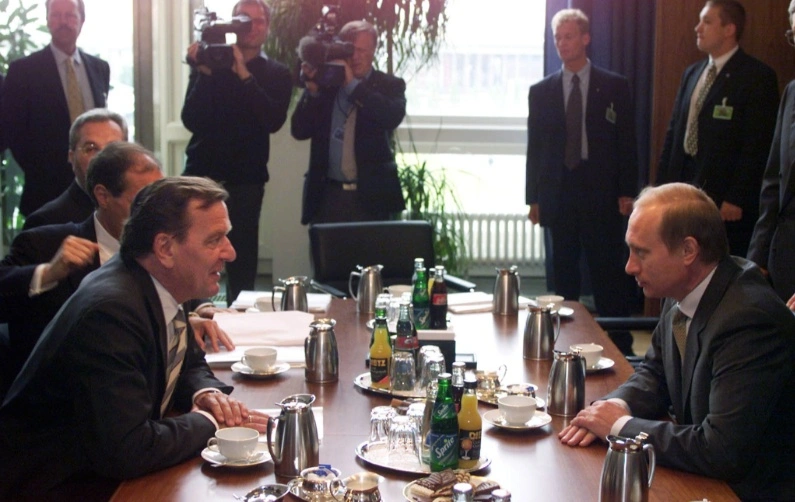
Former German Chancellor Schröder criticised for attending Putin's birthday
Section: News
The European Union's health ministers have reached a consensus on new legislation aimed at strengthening the supply and availability of essential medicines across member states. The proposed regulation, discussed at a meeting in Brussels, is designed to bolster production within the EU, address shortages, and enhance the overall security of pharmaceutical supply chains.
The primary focus of the legislation is to address recurring shortages of vital medicines such as antibiotics, insulin, and pain relief drugs--products deemed indispensable for patient care throughout the EU. The proposed measures seek to diversify supply chains, encourage joint procurement strategies, and provide incentives for pharmaceutical manufacturing within Europe. The Council of the European Union emphasized that these steps are intended to build a more resilient and reliable network for critical health products.
One key aspect of the agreement is a new process for determining whether a particular medicine or active ingredient is produced within the EU. The European Commission will be tasked with issuing guidelines for this assessment, ensuring transparency and consistency across all member states. This approach is expected to facilitate a more coordinated response to potential supply disruptions.
The regulation also simplifies the requirements for joint procurement of critical medicines. While previously a minimum of nine member states had to participate to initiate joint purchasing, the new agreement reduces this threshold to six. This adjustment is aimed at making it easier for countries to collaborate in securing essential pharmaceuticals, particularly in times of crisis or heightened demand. Additionally, the new framework mandates the use of resilience criteria in public procurement, prioritizing robust and sustainable supply solutions for critical medicines.
The legislative package also encourages the adoption of collaborative procurement models, which are anticipated to improve access to life-saving medicines and reduce the risk of shortages. The measures include incentives to support pharmaceutical companies in establishing or expanding production facilities within the EU, with the ultimate goal of reducing dependence on external suppliers and ensuring patient access to essential treatments.
Industry groups have responded with a mix of support and caution. The Chemical Industry Association of Austria, for example, welcomed elements such as the prioritization of European products and streamlined approval processes for new production sites. However, they also highlighted concerns regarding increased price competition from collective procurement, which could potentially limit the number of suppliers and affect market diversity. The association also noted that opportunities for harmonized EU-wide stockpiling rules were not fully realized in the current draft.
The agreement reflects a broader push within the EU to address vulnerabilities in medicine supply chains, particularly in light of recent geopolitical developments and the global health crisis. Ensuring a robust pharmaceutical sector within Europe has become a strategic priority for many governments, who aim to reduce reliance on imports and safeguard the health of EU citizens.
In addition to the medicines supply law, the EU health ministers also discussed measures to protect young people from new, highly addictive tobacco and nicotine products. The issue was raised in response to growing concerns about the targeting of minors by manufacturers of such products. Ministers called on the European Commission to consider further regulatory action to address this trend and limit youth exposure to harmful substances.
The agreement on the critical medicines law now awaits final approval through negotiations between the Council and the European Parliament. Once enacted, the regulation is expected to play a pivotal role in securing the availability of vital medicines for patients and strengthening the EU's capacity to respond to future health challenges.
Section: News

Section: Science

Section: Business

Section: Business

Section: Science

Section: News

Section: Politics

Section: News

Section: Fashion

Section: Arts
Both private Health Insurance in Germany and public insurance, is often complicated to navigate, not to mention expensive. As an expat, you are required to navigate this landscape within weeks of arriving, so check our FAQ on PKV. For our guide on resources and access to agents who can give you a competitive quote, try our PKV Calculator.
Germany is famous for its medical expertise and extensive number of hospitals and clinics. See this comprehensive directory of hospitals and clinics across the country, complete with links to their websites, addresses, contact info, and specializations/services.
Didn't manage to get a ticket for Linkin Park? Or still not enough after the concert? Join us at CRASH on June 12th for our "IN THE END" Linkin Park Special + CORE NIGHT.All night long, we'll be playing Linkin Park's music, along with Nu Metal, Metalcore, and Alternative Rock from bands such as Limp...



No comments yet. Be the first to comment!