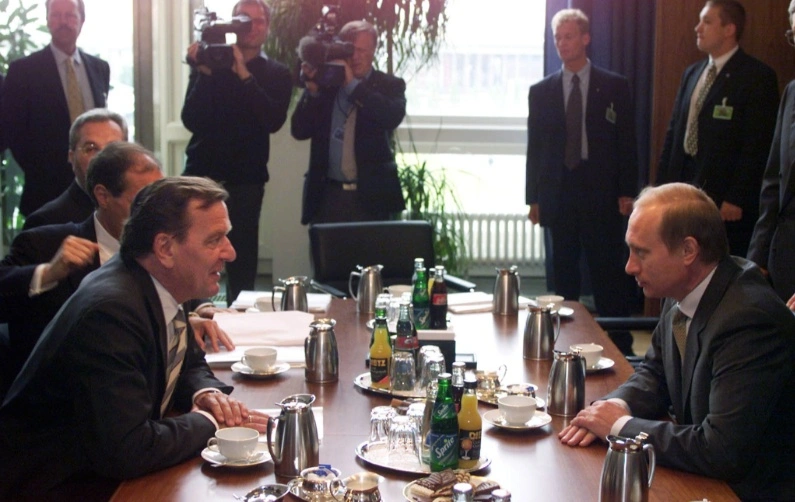
Former German Chancellor Schröder criticised for attending Putin's birthday
Section: News
The city of Eisenstadt has outlined a budget plan for 2026 that emphasizes reductions in spending and a renewed focus on essential municipal responsibilities. City leadership has cited escalating costs and significant deductions from state revenue shares as key factors placing continued pressure on local financial resources.
The proposed budget, totaling approximately 63 million euros, reflects a strategy of cost containment while striving for a balanced financial outcome. According to the city administration, this balanced result is contingent upon the absence of unforeseen events that could further strain resources.
Revenue Challenges and Budget AdjustmentsDespite an anticipated increase of 4.2 percent in federal revenue shares for the city, resulting in about 22.4 million euros, further deductions by the state government mean that Eisenstadt is left with only 3.6 million euros. This figure represents a decrease of roughly 100,000 euros compared to the previous year, highlighting the persistent fiscal challenges facing the municipality.
In response, Eisenstadt intends to reduce operational expenditures by around two million euros in 2026. Investment spending is set to decrease by two-thirds, with only three million euros allocated for new and ongoing projects, compared to nine million euros in prior years. The planned investments largely consist of final payments for previously initiated projects, such as the communications center in St. Georgen, as well as necessary upgrades to emergency vehicles, road infrastructure, and sewage systems.
Supporting the Local Economy and WorkforceDespite the need for fiscal restraint, city officials have underlined their commitment to supporting the regional economy. As a significant local client, Eisenstadt aims to maintain investment in critical public services and regional suppliers, ensuring the continued operation of essential functions within the city.
Personnel costs are also subject to savings, with some vacant positions left unfilled following natural departures. However, city leaders acknowledge that these measures are not sustainable in the long term and stress the importance of securing additional funding sources for municipal budgets. While the possibility of increasing property taxes has been discussed, opinions within the city council remain divided on this approach.
Political Consensus and Fiscal ResponsibilityThe 2026 budget proposal has garnered support from the city's major political factions, including the Social Democratic Party and the Green Party, both of which recognize the necessity of prioritizing core services and maintaining social benefits amid limited resources. The Social Democrats specifically highlighted the protection of social services as a key reason for their approval, while the Green Party emphasized the importance of stability and prudent financial management during challenging economic times.
Not all political groups are in agreement, however. The Freedom Party has indicated its decision not to support the current budget plan, citing concerns over the proposed measures. Nevertheless, the city administration remains focused on strict budget adherence in the coming year.
Debt Reduction and Future OutlookDespite the financial constraints, Eisenstadt plans to reduce its overall debt by approximately 800,000 euros over the next year. City officials reiterate the need for new revenue streams, whether through local taxation or alternative financial mechanisms, to ensure the long-term sustainability of municipal services and investments.
The budget for 2026 represents a concerted effort by Eisenstadt's leadership to navigate fiscal challenges while upholding essential services and supporting the local economy, reflecting a broader trend among Austrian municipalities facing similar financial pressures.
Section: News

Section: Science

Section: Business

Section: Business
Section: Science
Section: News
Section: Politics
Section: News

Section: Fashion
Section: Arts
Both private Health Insurance in Germany and public insurance, is often complicated to navigate, not to mention expensive. As an expat, you are required to navigate this landscape within weeks of arriving, so check our FAQ on PKV. For our guide on resources and access to agents who can give you a competitive quote, try our PKV Calculator.
Germany is famous for its medical expertise and extensive number of hospitals and clinics. See this comprehensive directory of hospitals and clinics across the country, complete with links to their websites, addresses, contact info, and specializations/services.
Didn't manage to get a ticket for Linkin Park? Or still not enough after the concert? Join us at CRASH on June 12th for our "IN THE END" Linkin Park Special + CORE NIGHT.All night long, we'll be playing Linkin Park's music, along with Nu Metal, Metalcore, and Alternative Rock from bands such as Limp...



No comments yet. Be the first to comment!