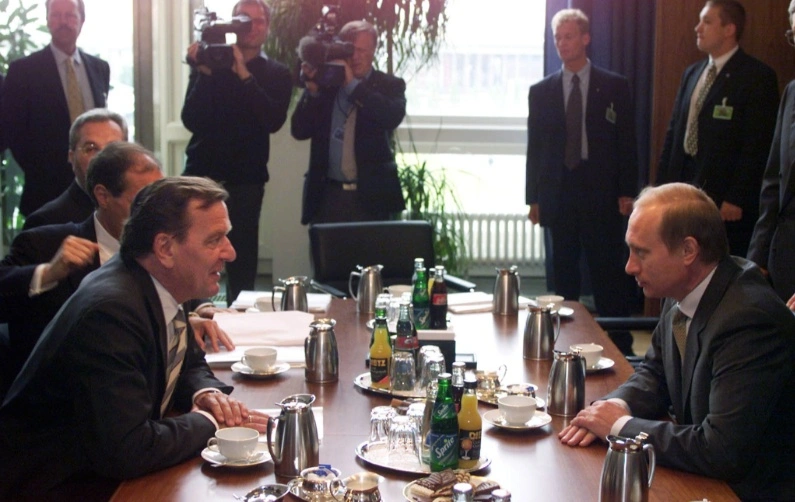
Former German Chancellor Schröder criticised for attending Putin's birthday
Section: News
The Austrian political landscape faced significant scrutiny in 2025 regarding its approach to South Tyrol, as discussions over Italy's controversial autonomy reform highlighted ongoing tensions. Observers noted that, despite the heightened relevance of South Tyrol's status during these critical negotiations, Austria's parliament did not convene the dedicated South Tyrol subcommittee, a move widely seen as diminishing parliamentary oversight on the matter.
Throughout the year, the absence of this committee became a focal point for criticism. Analysts observed that the delay in its formation was attributed to disagreements among the ruling coalition parties, with special attention placed on the Austrian People's Party (ÖVP). Multiple media sources reported conflicting explanations from party representatives, leading to public confusion over the true reasons behind the committee's inactivity.
In the context of Italy's debated autonomy reforms, which directly affect the German-speaking population of South Tyrol, the lack of a formalized parliamentary channel for Austrian interests was perceived as a significant political gap. Policy experts emphasized that an active South Tyrol subcommittee could have provided stronger representation for Austrian interests in international forums and facilitated clearer governmental positions during diplomatic discussions with Rome.
Instead, the matter was largely managed as an external political issue, with parliamentary engagement remaining limited. This approach was seen as symbolic, reflecting a shift in how Austria addresses the South Tyrol issue--a topic historically central to its foreign policy and national identity. Critics argued that this development weakened Austria's traditional protective stance toward the German-speaking minority in northern Italy.
Further analysis highlighted that, contrary to some claims about the committee's leadership, other parliamentary subcommittees on health, education, and national defense were formed even when there was significant ideological divergence between parties. This led to questions about whether concerns over leadership were justified, or if they masked deeper political disagreements.
The year's developments raised broader concerns about the current government's commitment to longstanding Austrian positions on South Tyrol. Some political observers suggested that the ruling coalition's actions could signal a reduced prioritization of South Tyrolean issues, especially given the absence of substantive parliamentary debate or action. This sentiment was amplified by references to past Austrian politicians who were known for their advocacy on this issue.
Looking forward, commentators called for renewed parliamentary focus on South Tyrol, suggesting that future administrations should consider re-establishing comprehensive oversight mechanisms. The ongoing debate over Italy's autonomy reforms is expected to keep the issue at the forefront of Austrian-Italian relations, with stakeholders on both sides watching closely for any changes in Austria's approach.
Section: News

Section: Science
Section: Business

Section: Business
Section: Science

Section: News
Section: Politics
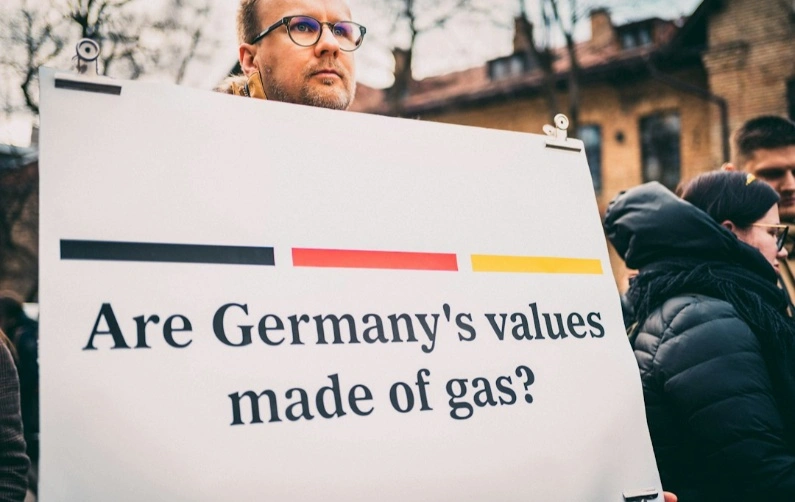
Section: News
Section: Fashion
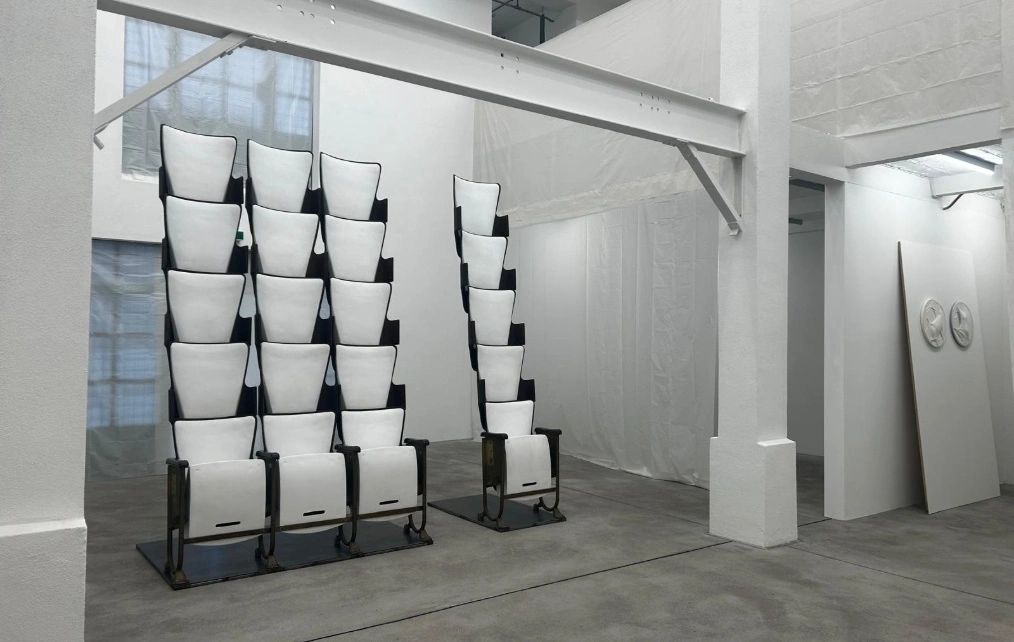
Section: Arts
Both private Health Insurance in Germany and public insurance, is often complicated to navigate, not to mention expensive. As an expat, you are required to navigate this landscape within weeks of arriving, so check our FAQ on PKV. For our guide on resources and access to agents who can give you a competitive quote, try our PKV Calculator.
Germany is famous for its medical expertise and extensive number of hospitals and clinics. See this comprehensive directory of hospitals and clinics across the country, complete with links to their websites, addresses, contact info, and specializations/services.
Didn't manage to get a ticket for Linkin Park? Or still not enough after the concert? Join us at CRASH on June 12th for our "IN THE END" Linkin Park Special + CORE NIGHT.All night long, we'll be playing Linkin Park's music, along with Nu Metal, Metalcore, and Alternative Rock from bands such as Limp...



No comments yet. Be the first to comment!