
Fire Destroys the Marché des Enfants Rouges, Paris's Oldest Covered Market
Section: News
Austria has expressed opposition to the European Commission's proposal to significantly increase the European Union's budget for the period from 2028 to 2034. At a meeting of European affairs ministers in Brussels, Austrian Minister for European Affairs, Claudia Plakolm, emphasized the need for fiscal restraint, citing the country's ongoing efforts to consolidate its national budget.
The European Commission's current draft outlines a multiannual financial framework totaling approximately two trillion euros. Under this proposal, Austria's annual contribution to the EU budget could exceed six billion euros, representing an increase of around 2.5 billion euros, or 40 percent more than Austria's present commitment. Austrian officials have indicated that such an increase would place an unsustainable burden on the national budget, particularly during a period of domestic fiscal tightening.
Austria has advocated for a continuation of the budget rebate mechanism, which has previously served to offset the higher contributions of net payers within the EU. The new budget framework, however, does not include this rebate. Austrian representatives argue that maintaining such compensatory measures is essential to ensure fair distribution of financial responsibilities across member states. The government has also called for the EU to focus on prioritizing spending, favoring more efficient allocation of resources rather than increasing the overall budget volume.
Other net contributor countries within the EU have echoed Austria's concerns. Representatives from Finland and Sweden have also signaled their opposition to the proposed budget increase, aligning with the Austrian stance that the budget should prioritize effective spending rather than expanding in size. These countries maintain that the current priorities, such as bolstering defense, supporting Ukraine, and enhancing competitiveness, should be addressed without imposing excessive financial demands on member states.
In parallel to the budget discussions, the meeting also addressed the potential use of frozen Russian assets to help finance Ukraine in its ongoing conflict with Russia. Despite the urgency of Ukraine's financial needs, consensus has not yet been reached among EU member states on this issue. Belgium, where a significant portion of the frozen assets is held, has expressed reservations about the legal and financial risks associated with reallocating these funds, particularly in the absence of international legal precedent and the possibility of future repayment claims.
The Danish presidency, currently holding the rotating chair of the Council of the European Union, acknowledged the need for Europe to become more resilient and responsive to challenges such as defense, support for Ukraine, and economic competitiveness. The presidency intends to present a preliminary negotiation framework for the budget by December, with formal discussions scheduled for the EU summit later in the month. Historically, negotiations over the EU's multiannual budget framework have required an extended period, often lasting up to two years, before a final agreement is reached.
The discussions in Brussels mark the beginning of a lengthy negotiation process that will shape the EU's financial priorities for the next budgetary cycle. Austria and other net contributor countries are expected to continue advocating for a balanced approach that aligns with both national fiscal constraints and the collective needs of the European Union.
Section: News
Section: News

Section: Science
Section: Business

Section: Business

Section: Science
Section: News
Section: Politics
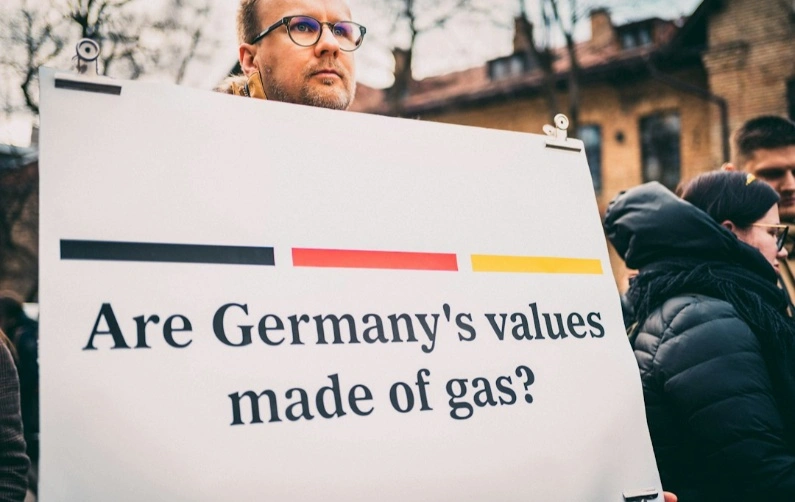
Section: News
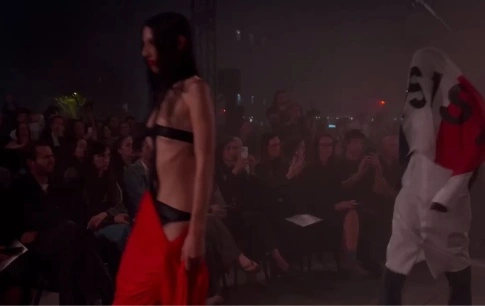
Section: Fashion
Both private Health Insurance in Germany and public insurance, is often complicated to navigate, not to mention expensive. As an expat, you are required to navigate this landscape within weeks of arriving, so check our FAQ on PKV. For our guide on resources and access to agents who can give you a competitive quote, try our PKV Calculator.
Germany is famous for its medical expertise and extensive number of hospitals and clinics. See this comprehensive directory of hospitals and clinics across the country, complete with links to their websites, addresses, contact info, and specializations/services.
Didn't manage to get a ticket for Linkin Park? Or still not enough after the concert? Join us at CRASH on June 12th for our "IN THE END" Linkin Park Special + CORE NIGHT.All night long, we'll be playing Linkin Park's music, along with Nu Metal, Metalcore, and Alternative Rock from bands such as Limp...



No comments yet. Be the first to comment!