
German companies unprepared for AI-based cyber attacks
Section: Science
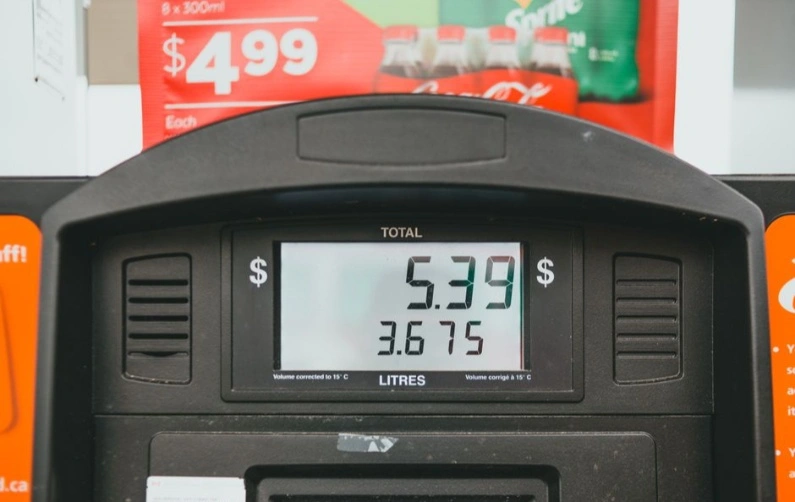
Fuel prices in Austria have experienced a significant increase, with diesel surpassing the two-euro per liter threshold for the first time in many locations. The latest surge in prices follows recent escalations in the conflict involving Iran, which has impacted global oil markets and contributed to higher transportation costs across the country.
On Friday, numerous fuel stations throughout Austria raised their prices for both petrol and diesel. The widespread adjustment means that diesel now costs over two euros per liter at most stations, a level not observed since the escalation of US and Israeli military operations in the Middle East. Only a few stations near the borders with countries where fuel is more affordable continue to offer diesel below this mark.
Significant Weekly Price IncreasesAccording to data provided by E-Control, Austria's regulatory authority, the national median price for diesel rose to 2.109 euros per liter, up from 1.969 euros the previous day. Petrol prices also climbed, with the median increasing from 1.759 to 1.849 euros per liter. The recent increases represent a sharp jump of around 50 cents per liter since the onset of the Iran conflict.
In the week preceding the military escalation, diesel averaged 1.57 euros per liter, while petrol was priced at 1.52 euros. The current trend mirrors price surges last seen in early 2022 following the Russian invasion of Ukraine, when both petrol and diesel experienced similar rapid increases of around 50 cents in a short period. At that time, peak prices for petrol reached approximately 1.95 euros per liter, and diesel approached 2.10 euros.
Regulations on Fuel Price AdjustmentsIn response to market volatility and to protect consumers from sudden price hikes, Austria has implemented new regulations governing how and when fuel stations can adjust their prices. As of this week, stations are permitted to raise fuel prices only on Mondays, Wednesdays, and Fridays at noon. However, price reductions can be made at any time, providing some relief to consumers in the event of falling wholesale costs.
Government Measures to Address Rising CostsThe government has reached an agreement to introduce a fuel price cap in an effort to stabilize costs and limit the financial burden on households and businesses. Details on the structure and implementation of the price cap are expected to be released soon. The initiative is aimed at mitigating the effects of external shocks on domestic fuel prices and ensuring greater predictability for consumers.
Economic and Social ImplicationsThe ongoing increases in fuel prices are having a noticeable impact on transportation expenses for individuals and industries alike. Higher fuel costs can lead to increased prices for goods and services, as transportation is a significant component of supply chains. The situation underscores the broader economic consequences of geopolitical tensions and highlights the interconnectedness of global energy markets.
While the government and regulatory authorities continue to monitor developments closely, the current environment remains uncertain. Consumers are advised to stay informed about price changes and consider refueling at stations offering lower rates, particularly those near international borders.
Section: Science
Section: Business

Section: Business
Section: Science
Section: News
Section: Politics
Section: News

Section: Fashion
Section: Arts

Section: Fashion
Both private Health Insurance in Germany and public insurance, is often complicated to navigate, not to mention expensive. As an expat, you are required to navigate this landscape within weeks of arriving, so check our FAQ on PKV. For our guide on resources and access to agents who can give you a competitive quote, try our PKV Calculator.
Germany is famous for its medical expertise and extensive number of hospitals and clinics. See this comprehensive directory of hospitals and clinics across the country, complete with links to their websites, addresses, contact info, and specializations/services.
Didn't manage to get a ticket for Linkin Park? Or still not enough after the concert? Join us at CRASH on June 12th for our "IN THE END" Linkin Park Special + CORE NIGHT.All night long, we'll be playing Linkin Park's music, along with Nu Metal, Metalcore, and Alternative Rock from bands such as Limp...


No comments yet. Be the first to comment!