
German companies unprepared for AI-based cyber attacks
Section: Science
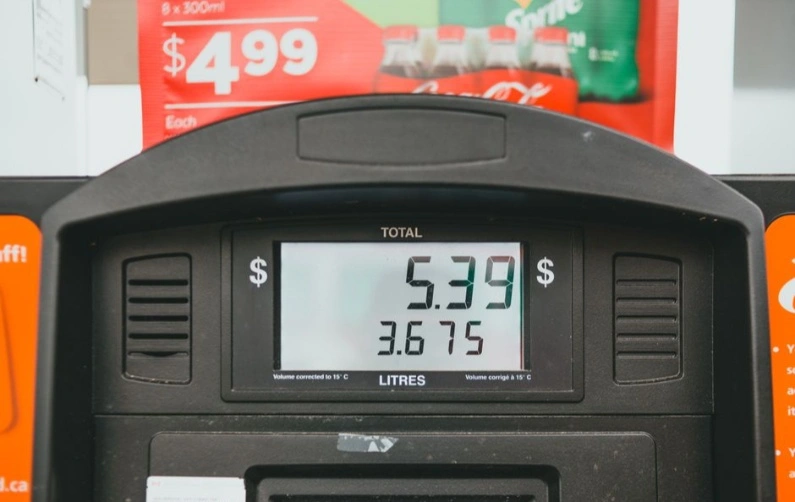
The ongoing conflict in Iran and the broader Middle East has led to increased pressure on global energy prices, affecting both consumers and businesses in Austria. As a result, government officials from various Austrian states have started to advocate for immediate fiscal measures to mitigate the impact on households and the economy.
Officials stress the need for comprehensive evaluation and swift implementation of policies that could alleviate the financial strain caused by surging prices for fuel and gas. Regional leaders argue that the government should not benefit financially from the crisis through increased tax revenues resulting from higher energy costs.
The escalation in the Middle East has directly contributed to a spike in the prices of petroleum products and natural gas across Europe. In Austria, this has reignited debates about the structure of energy taxation, particularly regarding the carbon pricing system and mineral oil taxes. With fuel costs rising at the pump and household gas prices increasing, the call for temporary relief measures is becoming more urgent.
Some state leaders propose suspending the current CO2 pricing mechanism or introducing a temporary reduction in mineral oil tax. The rationale behind these suggestions is to prevent the government from profiting from the crisis at the expense of consumers and businesses. They emphasize that tax relief would provide immediate financial respite for citizens facing higher living costs and support companies struggling with elevated operational expenses due to energy price hikes.
Economists and policy analysts note that energy price volatility often leads to increased state revenues through existing taxes tied to fuel and gas consumption. However, during periods of crisis, such as the current geopolitical tensions, there is a growing consensus that these additional revenues should be redirected to support those most affected by the price increases.
Discussions are currently underway at both the federal and state levels to assess the feasibility and potential impact of various tax relief options. Stakeholders are evaluating the balance between maintaining state revenue for essential services and ensuring economic stability for businesses and households. The debate also considers the potential consequences for Austria's climate and energy transition policies, particularly if carbon pricing mechanisms are temporarily suspended.
In parallel, European Union institutions are monitoring the developments closely, as similar calls for energy tax reductions are emerging in other member states facing analogous pressures. The Austrian government is expected to make a decision in the coming weeks regarding the most appropriate fiscal response to the ongoing energy price challenges.
The situation remains dynamic as the international conflict continues to influence global markets. Austrian authorities are seeking to ensure that any measures taken will provide tangible relief to citizens and businesses without undermining long-term fiscal or environmental goals.
Section: Science
Section: Business

Section: Business
Section: Science
Section: News
Section: Politics
Section: News

Section: Fashion
Section: Arts

Section: Fashion
Both private Health Insurance in Germany and public insurance, is often complicated to navigate, not to mention expensive. As an expat, you are required to navigate this landscape within weeks of arriving, so check our FAQ on PKV. For our guide on resources and access to agents who can give you a competitive quote, try our PKV Calculator.
Germany is famous for its medical expertise and extensive number of hospitals and clinics. See this comprehensive directory of hospitals and clinics across the country, complete with links to their websites, addresses, contact info, and specializations/services.
Didn't manage to get a ticket for Linkin Park? Or still not enough after the concert? Join us at CRASH on June 12th for our "IN THE END" Linkin Park Special + CORE NIGHT.All night long, we'll be playing Linkin Park's music, along with Nu Metal, Metalcore, and Alternative Rock from bands such as Limp...



No comments yet. Be the first to comment!