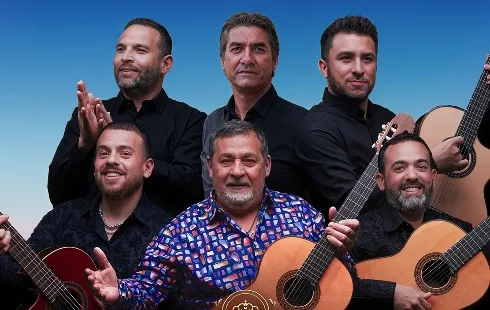
Gipsy Kings: "Music Is a Natural Way of Life"
Section: Arts
Across Ukraine, a significant transformation is underway in the care of vulnerable children as the country intensifies efforts to align with European Union standards. Traditional orphanages, many of which have existed for decades, are being systematically closed and replaced with family-based care and specialized support centers as part of a broader social reform agenda.
At a facility in Ternopil, located east of Lviv, the change is evident. Originally established in 1980 as a large-scale orphanage, it now operates primarily as a rehabilitation center for children with a wide range of needs. The institution, once filled with dormitories and beds, now features spaces equipped for specialized educational activities, tactile therapy, speech therapy, and psychological support. The shift from institutional care to a multidisciplinary approach reflects Ukraine's ongoing commitment to providing more individualized support for children, particularly those with disabilities or complex health conditions.
Nationwide, the pace of reform has accelerated in recent years, propelled by both the ongoing conflict and the prospect of EU membership. Historically, Ukraine had one of the highest numbers of children in institutional care across Europe, with estimates reaching around 100,000 prior to the 2022 escalation of the conflict. Progress was often hampered by legacy Soviet-era structures, economic constraints, and a lack of policy prioritization. However, the requirements set by the European Union regarding children's rights and welfare have driven rapid changes in the child protection system.
Local authorities report a gradual but persistent cultural shift in attitudes toward child welfare. Since 2008, numerous large institutions have closed, replaced by family-based solutions such as foster care and temporary family homes. Research consistently indicates that children raised in family environments experience better developmental and social outcomes compared to those in large, impersonal institutions. The current reforms prioritize not just basic needs, but the overall well-being and long-term prospects of children in care.
The ongoing conflict has added urgency to these reforms. As fighting has forced the evacuation of children from institutions in eastern regions like Zaporizhzhia, many have been relocated to western Ukraine. Organizations and volunteers play a vital role in supporting these transitions, providing both humanitarian assistance and advocacy for legislative change. Despite these efforts, challenges remain--finding enough suitable foster and adoptive families is increasingly difficult during times of crisis, and some children face uncertainty about the whereabouts or status of their biological relatives.
Cases from the region illustrate both the progress and the persistent challenges. Some children, having experienced both institutional care and multiple family placements, report positive outcomes only in their most recent, well-supported foster homes. However, instances of neglect and insufficient oversight have also been reported, highlighting the need for rigorous vetting and monitoring of alternative care arrangements.
Authorities acknowledge that issues such as mistreatment and inadequate conditions still surface in some institutions, but emphasize that reforms are ongoing. The transition to family-based care is viewed as essential not only for compliance with EU standards but also for improving the quality of life for vulnerable children. International organizations, including UNICEF and other child welfare groups, collaborate with Ukrainian agencies to guide and accelerate the reform process.
The shift from traditional orphanages to rehabilitation centers and family-based care is most advanced in western Ukraine, while older structures persist in some eastern areas. As Ukraine continues to navigate both war and social change, the government remains focused on ensuring that all children receive the care, protection, and support they need to thrive in a family environment, in line with European best practices.
Section: Arts

Section: Fashion

Section: Health Insurance

Section: News

Section: Politics
Section: Business

Section: Health

Section: Arts

Section: Politics

Section: Business
Both private Health Insurance in Germany and public insurance, is often complicated to navigate, not to mention expensive. As an expat, you are required to navigate this landscape within weeks of arriving, so check our FAQ on PKV. For our guide on resources and access to agents who can give you a competitive quote, try our PKV Cost comparison tool.
Germany is famous for its medical expertise and extensive number of hospitals and clinics. See this comprehensive directory of hospitals and clinics across the country, complete with links to their websites, addresses, contact info, and specializations/services.
Didn't manage to get a ticket for Linkin Park? Or still not enough after the concert? Join us at CRASH on June 12th for our "IN THE END" Linkin Park Special + CORE NIGHT.All night long, we'll be playing Linkin Park's music, along with Nu Metal, Metalcore, and Alternative Rock from bands such as Limp...



No comments yet. Be the first to comment!