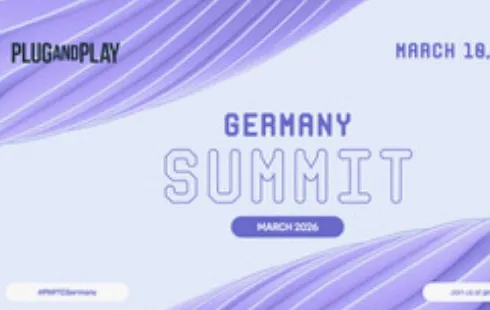
Munich Signals Its Ambition at Plug and Play Tech Center AI Summit
Section: Business
As countries around the world grapple with sustainability challenges, the concept of Overshoot Day has emerged as a crucial marker of environmental resources consumption. This year, Sweden's Overshoot Day is alarmingly early, falling on April 10, indicating that the nation has consumed its annual share of ecological resources in just over a third of the year. This early date signifies that Sweden is utilizing natural resources at a rate equivalent to that of approximately four Earths, and it highlights a concerning trend: the ecological deficit that will persist for the remainder of the year.
The early Overshoot Day reflects the deteriorating state of environmental and climate policy in Sweden, exacerbated by recent global crises that have compromised the country's preparedness. While some political factions argue for prioritizing security measures over environmental initiatives, this viewpoint neglects the interdependence of these issues. Effective crisis management, enhanced self-sufficiency, and sustainable practices are fundamentally connected.
Transitioning to a circular economy is one potential solution to bolster both resilience and sustainability. By emphasizing reuse, repair, and recycling, Sweden can reduce its vulnerability to the disruptions of global supply chains. Such an approach could foster a more robust and adaptive economy.
In seeking to establish a sustainable energy system, it is crucial for Sweden to invest in diversifying its energy sources. This includes maximizing existing hydroelectric power while also expanding solar and wind energy production across various locations. By reducing reliance on fossil fuels, Sweden can enhance its self-sufficiency and decrease its dependence on authoritarian regimes that control energy supplies.
Moreover, the transportation sector requires significant improvements, such as expanding rail infrastructure, electrifying road transport, and enhancing cycling facilities. The Swedish Armed Forces have raised concerns regarding public health, noting that issues like obesity and poor fitness levels weaken national defense capabilities. Promoting active transportation methods, such as cycling and walking, can improve both public health and national security.
Support for small-scale agriculture across the country is also essential. Ensuring that sustainable farming practices are economically viable serves the broader societal goal of fostering regenerative agricultural systems. Organic farming practices, which do not rely on imported fertilizers or harmful pesticides, are crucial for preserving pollinator populations and maintaining a balanced ecosystem. Encouraging a diet that includes a higher proportion of plant-based foods could yield health benefits as well.
Historically, wealthier nations have operated under the illusion of limitless natural resources, often outsourcing environmentally damaging production to other countries. However, the current global security landscape necessitates a paradigm shift towards sustainability. The connection between the current ecological crisis and national security highlights the urgent need for a comprehensive approach that incorporates environmental considerations into national security strategies.
As Sweden observes Overshoot Day occurring eleven days earlier than the previous year, it underscores the need for a renewed commitment to environmental and climate policies. Addressing these challenges is not merely a matter of environmental stewardship but is essential for ensuring the nation's security in the face of multifaceted crises.
Section: Business

Section: Health Insurance

Section: News

Section: Arts

Section: Health

Section: Fashion
Section: Politics

Section: Fashion

Section: News
Section: Fashion
Both private Health Insurance in Germany and public insurance, is often complicated to navigate, not to mention expensive. As an expat, you are required to navigate this landscape within weeks of arriving, so check our FAQ on PKV. For our guide on resources and access to agents who can give you a competitive quote, try our PKV Cost comparison tool.
Germany is famous for its medical expertise and extensive number of hospitals and clinics. See this comprehensive directory of hospitals and clinics across the country, complete with links to their websites, addresses, contact info, and specializations/services.
Join us at the Kunstraum in der Au for the exhibition titled ,,Ereignis: Erzählung" by Christoph Scheuerecker, focusing on the captivating world of bees. This exhibition invites visitors to explore the intricate relationship between bees and their environment through various artistic expressions,...



No comments yet. Be the first to comment!