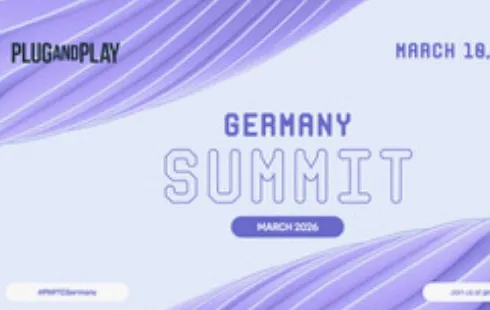
Munich Signals Its Ambition at Plug and Play Tech Center AI Summit
Section: Business
The era of U.S. foreign aid as we know it has come to a close. After more than six decades, the United States Agency for International Development (USAID) has officially ceased its operations as of July 1, 2025. This decision marks a significant pivot in the U.S. government's approach to international development and foreign assistance.
USAID has long been a symbol of U.S. commitment to humanitarian assistance, providing food, medical aid, and development support to the world's most impoverished regions. The agency's mission included promoting economic growth, improving education, and combating health crises in various countries. However, recent statements from U.S. officials indicate a shift in focus.
U.S. Secretary of State Marco Rubio has articulated the rationale behind this closure, citing persistent challenges in achieving the agency's goals. Reports suggest that U.S. foreign aid has not only fallen short of its objectives but has also sometimes exacerbated instability in recipient nations and fueled anti-American sentiments. As a result, the administration has decided to reallocate resources and responsibilities related to foreign assistance to the State Department, which will now oversee these efforts with a stronger emphasis on U.S. interests.
This transition raises concerns about the future of humanitarian aid and development initiatives globally. Critics warn that elevating U.S. interests above humanitarian imperatives may lead to a decline in support for essential programs that address poverty, health, and education in vulnerable regions. The potential consequences could be dire, particularly for countries that rely heavily on U.S. assistance for their survival and development.
The decision to wind down USAID's operations has been met with mixed reactions. Supporters argue that a new strategy may provide a more effective framework for U.S. foreign policy, focusing on strategic partnerships and national security interests. However, detractors fear that this shift could undermine years of progress made through dedicated foreign aid and development efforts.
With humanitarian crises on the rise in many parts of the world, including conflict zones and areas affected by climate change, the timing of this decision raises questions about the U.S. commitment to global stability and humanitarian values. As the international community watches closely, the future of U.S. foreign aid and its impact on global development remains uncertain.
Section: Business

Section: Health Insurance

Section: News

Section: Arts

Section: Health

Section: Fashion
Section: Politics

Section: Fashion

Section: News
Section: Fashion
Both private Health Insurance in Germany and public insurance, is often complicated to navigate, not to mention expensive. As an expat, you are required to navigate this landscape within weeks of arriving, so check our FAQ on PKV. For our guide on resources and access to agents who can give you a competitive quote, try our PKV Cost comparison tool.
Germany is famous for its medical expertise and extensive number of hospitals and clinics. See this comprehensive directory of hospitals and clinics across the country, complete with links to their websites, addresses, contact info, and specializations/services.
Join us at the Kunstraum in der Au for the exhibition titled ,,Ereignis: Erzählung" by Christoph Scheuerecker, focusing on the captivating world of bees. This exhibition invites visitors to explore the intricate relationship between bees and their environment through various artistic expressions,...



No comments yet. Be the first to comment!