
Munich Signals Its Ambition at Plug and Play Tech Center AI Summit
Section: Business
On April 15, 1875, three Frenchmen--Joseph Crocé-Spinelli, Théodore Sivel, and Gaston Tissandier--embarked on a significant journey in their high-altitude balloon named 'Le Zénith' from a location near Paris. By this time, balloons had evolved far beyond mere entertainment for the public; they had become emblematic of resistance, especially for Parisians during historical conflicts.
During the Franco-Prussian War of 1870-71, Paris faced a prolonged siege, and balloons played a pivotal role in the city's communication efforts. They were instrumental in transporting crucial intelligence and personal correspondence out of the besieged city. Remarkably, a train station in Paris was transformed into a balloon factory, enabling the launch of over 60 balloons--an impressive feat, averaging more than one per day--despite the Prussian encirclement.
The French government even resorted to rationing coal gas for households to ensure the balloons could be inflated, highlighting their importance as a technological pride of the nation amidst a humiliating war. The balloons represented not only a mode of transport but also a symbol of hope and ingenuity in a dire time.
As the trio ascended into the skies aboard 'Le Zénith,' they were participating in a legacy that had transcended simple flight. The ballooning community and its advancements held a significant place in the hearts of the French people, who looked to these airborne vessels as a means of escape and a symbol of resilience.
Unfortunately, the journey would prove to be tragic. The ascent's high altitude posed unforeseen challenges, ultimately leading to a catastrophic outcome for the adventurers. This incident serves as a stark reminder of the inherent risks associated with early aviation endeavors. The story of 'Le Zénith' encapsulates the spirit of exploration and the quest for progress, even in the face of peril.
Section: Business
Section: Health Insurance

Section: News

Section: Arts

Section: Health

Section: Fashion
Section: Politics

Section: Fashion
Section: News

Section: Fashion
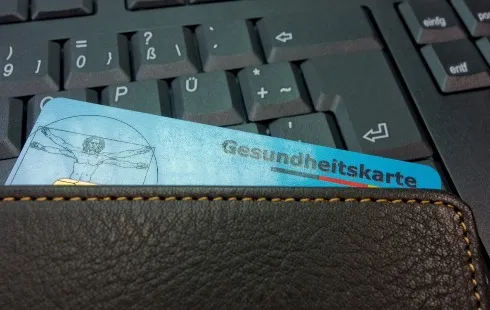
Both private Health Insurance in Germany and public insurance, is often complicated to navigate, not to mention expensive. As an expat, you are required to navigate this landscape within weeks of arriving, so check our FAQ on PKV. For our guide on resources and access to agents who can give you a competitive quote, try our PKV Cost comparison tool.
Germany is famous for its medical expertise and extensive number of hospitals and clinics. See this comprehensive directory of hospitals and clinics across the country, complete with links to their websites, addresses, contact info, and specializations/services.
Join us at the Kunstraum in der Au for the exhibition titled ,,Ereignis: Erzählung" by Christoph Scheuerecker, focusing on the captivating world of bees. This exhibition invites visitors to explore the intricate relationship between bees and their environment through various artistic expressions,...



No comments yet. Be the first to comment!