Munich Signals Its Ambition at Plug and Play Tech Center AI Summit
Section: Business
The Franco-German friendship has long been a cornerstone of European unity, characterized by a complex history and an evolving partnership. In the picturesque region of Alsace, where French and German cultures intertwine, two young students embody the spirit of this relationship. Charlie Leicht, 11, and her classmate Léonie Macherich, 10, reflect on their bilingual education, which has allowed them to communicate effectively in German, much to the amusement of their families.
Alsace, located in northeastern France, has a unique identity shaped by its historical transitions between French and German rule. This region has been home to both languages for centuries, although the prevalence of German speakers has declined significantly since World War II. Despite this, the relationship between Paris and Berlin has flourished and played a pivotal role in the establishment of the European Union, beginning with the coal and steel community in 1951.
Economically, Germany stands as a giant in Europe, while France wields considerable political and military influence. The division of responsibilities within the EU has generally been clear: France leads diplomatic discussions while Germany manages economic matters.
Historian Thomas Maissen from Heidelberg University emphasizes that this partnership has empowered France politically, while Germany, mindful of its historical past, recognizes the necessity of maintaining strong ties with France for its own legitimacy. The stability of this arrangement, however, relies on Germany remaining militarily restrained.
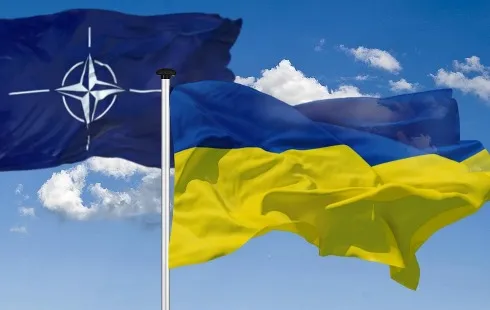
Recent geopolitical shifts have raised questions about the future of European security, especially in light of the United States' reduced commitment to European defense. Former President Donald Trump's remarks about NATO have prompted Europe to reconsider its security strategies, placing greater responsibility on Germany and France.
Jean-Marie Woehrling, a political scientist and historian based in Strasbourg, notes that the current global political climate, marked by tensions with Russia and changes in U.S. foreign policy, presents an opportunity for renewed Franco-German collaboration. However, the leadership of Olaf Scholz, Germany's chancellor, has been criticized for lacking engagement with France, leading to a call for more vigorous cooperation, especially with the potential rise of Friedrich Merz as a more proactive leader.
In Alsace, where the legacy of World War II still lingers, the historical context plays a significant role in shaping local perspectives. The region's history includes painful memories of forced conscription during the Nazi occupation, which has left a lasting impact on the collective identity. Efforts to revive the German language and culture are exemplified by the bilingual school in Hagenau, aimed at preserving the region's cultural heritage. Jean Peter, one of the school's founders, recalls the strict prohibition of German in schools during his youth, a policy that contributed to a sense of cultural denial.
The complexities of language and identity in Alsace continue to evolve. Many residents now view German as a practical skill rather than a cultural threat, reflecting a shift in attitudes toward their neighbors. The local economy benefits from its proximity to Germany, with many residents commuting across the border for work.
While the region maintains its distinct cultural identity, the relationship between Germany and France remains instrumental in shaping the future of Europe. Experts indicate that constructive dialogue is essential, noting the differences in governance between the two nations. France's centralized decision-making contrasts with Germany's federalist structure, which often complicates collaborative efforts.
Despite historical tensions, Alsace residents express optimism about a cooperative future. Many advocate for a unified European defense strategy, viewing increased German military capabilities as a necessary evolution rather than a threat. This sentiment reflects a broader desire for stability and collaboration in a rapidly changing geopolitical landscape.
In conclusion, the Franco-German partnership is critical for navigating the complexities of modern Europe. As both nations face new challenges, their ability to work together will be essential in shaping a secure and unified future.
Section: Business
Section: Health Insurance

Section: News

Section: Arts

Section: Health

Section: Fashion
Section: Politics

Section: Fashion
Section: News
Section: Fashion
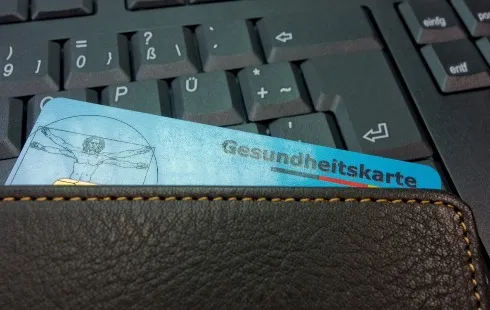
Both private Health Insurance in Germany and public insurance, is often complicated to navigate, not to mention expensive. As an expat, you are required to navigate this landscape within weeks of arriving, so check our FAQ on PKV. For our guide on resources and access to agents who can give you a competitive quote, try our PKV Cost comparison tool.
Germany is famous for its medical expertise and extensive number of hospitals and clinics. See this comprehensive directory of hospitals and clinics across the country, complete with links to their websites, addresses, contact info, and specializations/services.
Join us at the Kunstraum in der Au for the exhibition titled ,,Ereignis: Erzählung" by Christoph Scheuerecker, focusing on the captivating world of bees. This exhibition invites visitors to explore the intricate relationship between bees and their environment through various artistic expressions,...



No comments yet. Be the first to comment!