
Munich Signals Its Ambition at Plug and Play Tech Center AI Summit
Section: Business
Recent comments by Hermann Glettler, the Diocesan Bishop of Innsbruck, have sparked significant discussion within the Catholic community. In a recent interview, Glettler expressed willingness to accept a potential appointment as the Archbishop of Vienna, should the Pope consider him for the role. This candidness may suggest his aspirations for the position, as he has long been regarded as a strong candidate to succeed Cardinal Schönborn.
Glettler's views on various controversial issues within the Church, such as advocating for the ordination of women as deacons, supporting communion for remarried divorced individuals, and expressing acceptance of same-sex couples, have led some Catholics to reflect nostalgically on the era of Cardinal Schönborn's leadership.
The ongoing turmoil within the Church can be seen as a crisis of leadership among bishops. Many bishops appear to align themselves with contemporary narratives, addressing topics such as climate change and political figures like Putin, Trump, and Orban, rather than focusing on their primary mission: conveying the teachings of Christ and the Church's doctrines to the faithful. This shift in focus may contribute to the diminishing influence of the Catholic Church in today's society.
In the search for a new Archbishop of Vienna, attention has turned to Father Roger Ibounigg from the parish of Pöllauberg. His sermons have attracted the interest of the diocese due to his recent remarks praising Donald Trump for his stance against what he perceives as 'wokeness' and gender ideology. Father Ibounigg's comments were not a blanket endorsement of Trump but rather an appeal for bishops to clarify their positions on such critical issues. His question, 'Where are the bishops?' resonated widely, leading to a surge of positive feedback from the congregation.
There are indeed other clergy members who share similar convictions to Father Ibounigg, yet they often find their paths to higher ecclesiastical roles obstructed by church authorities. This situation raises concerns about the potential for bishops who are willing to speak on fundamental truths, moral absolutes, and the sanctity of marriage, rather than opting for a more accommodating approach to the prevailing cultural winds.
Reflecting on the teachings of Matthew 7, which describes two paths--one leading to destruction and the other to life--there is a call for deeper contemplation among church leaders. The need for bishops who are willing to uphold traditional teachings and engage meaningfully with the faithful is imperative for the Church's revival.
Section: Business
Section: Health Insurance

Section: News

Section: Arts

Section: Health

Section: Fashion
Section: Politics

Section: Fashion

Section: News

Section: Fashion
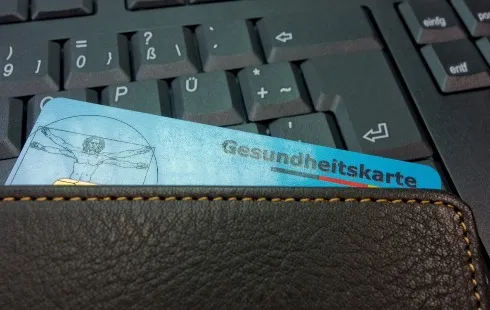
Both private Health Insurance in Germany and public insurance, is often complicated to navigate, not to mention expensive. As an expat, you are required to navigate this landscape within weeks of arriving, so check our FAQ on PKV. For our guide on resources and access to agents who can give you a competitive quote, try our PKV Cost comparison tool.
Germany is famous for its medical expertise and extensive number of hospitals and clinics. See this comprehensive directory of hospitals and clinics across the country, complete with links to their websites, addresses, contact info, and specializations/services.
Join us at the Kunstraum in der Au for the exhibition titled ,,Ereignis: Erzählung" by Christoph Scheuerecker, focusing on the captivating world of bees. This exhibition invites visitors to explore the intricate relationship between bees and their environment through various artistic expressions,...



No comments yet. Be the first to comment!