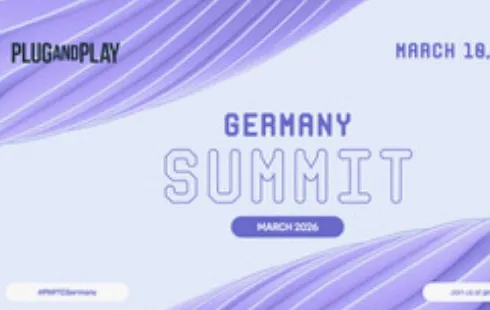
Munich Signals Its Ambition at Plug and Play Tech Center AI Summit
Section: Business
In the ongoing discussion about environmental conservation and community rights, the concept of self-determination emerges as a fundamental element of a thriving democracy. As society faces the challenge of balancing human interests with wildlife preservation, it becomes crucial to consider the voices of those living in close proximity to nature.
For instance, in regions where large wildlife roams, local communities often bear the burden of living alongside these animals. It is essential that farmers and herders, who may suffer from crop destruction or livestock losses due to wildlife, are compensated adequately and allowed to participate in the decision-making processes that affect their livelihoods. Enhanced economic opportunities, such as sharing in tourism revenues or gaining access to employment, can create a more favorable environment for coexistence.
However, this principle of inclusion and self-determination should not be limited to distant landscapes; it also applies within domestic policies, particularly regarding wildlife management in Sweden. Residents of rural areas often find themselves sidelined in discussions about predator policies and land use, despite their intimate knowledge of local ecosystems and community needs.
For example, the debate surrounding wind power installations raises significant questions about the impact on local communities. When decisions are made without adequate local input, the consequences can be detrimental to those who live in the shadow of these developments. The challenge lies in fostering a political framework that values local input and respects the traditions and lifestyles of those affected.
The recent constitutional inquiry aimed at establishing clearer guidelines for compensation for land and resource use has fallen short of expectations. This reflects a broader issue regarding the perception of governance and its relationship with local populations. A healthy democracy is not characterized solely by the exercise of power but instead by enabling individuals to have a say in the matters that affect their lives.
The imbalance in decision-making power is evident when urban politicians impose regulations on rural communities without understanding the complexities of local circumstances. This dynamic is particularly concerning when it comes to issues like land use and environmental conservation, where one-size-fits-all solutions can lead to the erosion of cultural heritage and local customs.
While it is acknowledged that certain regulations are necessary to prevent environmental degradation and promote the common good, it is equally vital that exceptions to local governance are not the norm. Effective governance should empower local voices rather than marginalize them, ensuring that decisions reflect a balance between collective interests and individual rights.
Ultimately, the true essence of democracy lies in the active participation of all stakeholders in shaping policies that impact their communities. It is crucial to re-evaluate the mechanisms of decision-making to ensure that the voices of rural inhabitants are heard and respected, thus fostering a more equitable and inclusive democratic process.
Section: Business
Section: Health Insurance

Section: News

Section: Arts

Section: Health

Section: Fashion

Section: Politics

Section: Fashion
Section: News
Section: Fashion
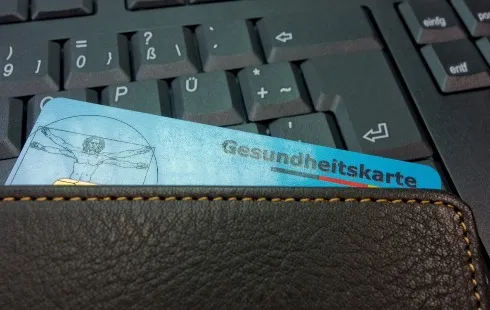
Both private Health Insurance in Germany and public insurance, is often complicated to navigate, not to mention expensive. As an expat, you are required to navigate this landscape within weeks of arriving, so check our FAQ on PKV. For our guide on resources and access to agents who can give you a competitive quote, try our PKV Cost comparison tool.
Germany is famous for its medical expertise and extensive number of hospitals and clinics. See this comprehensive directory of hospitals and clinics across the country, complete with links to their websites, addresses, contact info, and specializations/services.
Join us at the Kunstraum in der Au for the exhibition titled ,,Ereignis: Erzählung" by Christoph Scheuerecker, focusing on the captivating world of bees. This exhibition invites visitors to explore the intricate relationship between bees and their environment through various artistic expressions,...



No comments yet. Be the first to comment!