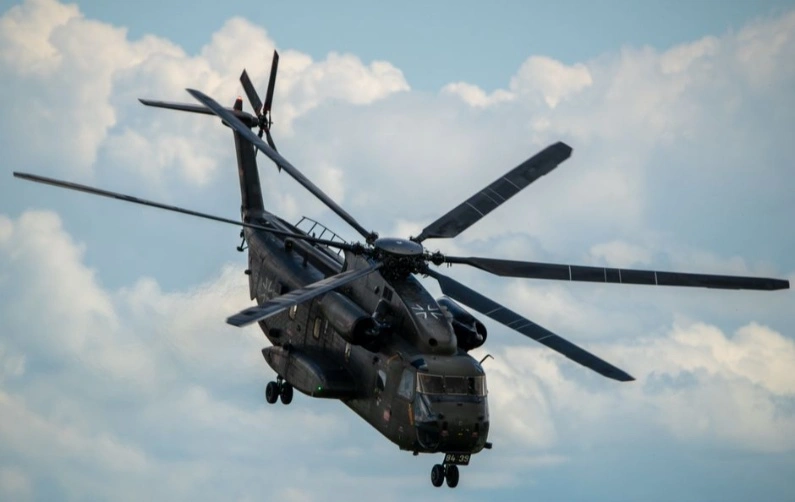
Record Orders in German Industry Driven by Defense Spending
Section: Politics
The Austrian Social Democratic Party's (SPÖ) education division convened a significant forum at the Vienna Education Academy to assess the relevance and future of Austria's neutrality policy in an evolving geopolitical context. The event, attended by around 50 participants, brought together policy makers, academics, and peace researchers to discuss how Austria's neutral stance can remain meaningful amid international tensions and growing interconnectedness.
This initiative marks the 70th anniversary of Austria's constitutional commitment to neutrality, established on October 26, 1955. The discussion focused on how neutrality continues to shape the country's political landscape and national identity, even as international dynamics shift.
Central Themes ExploredPanelists explored the challenges neutrality faces from various political directions, emphasizing the necessity for a proactive approach that adapts to current realities. Key themes included the importance of maintaining neutrality as a foundation for Austria's foreign policy and the potential for a more dynamic, peace-promoting role in global affairs.
Speakers highlighted Vienna's unique position as a center for international dialogue, particularly given its status as a United Nations hub. They underscored Austria's opportunity to contribute to international understanding, democracy, and peace-building through an active neutral policy.
Historical and Contemporary PerspectivesThe event acknowledged historical milestones, referencing past leaders who championed neutrality as a constitutional principle. The enduring relevance of neutrality in government policy was noted, with panelists asserting that it remains deeply intertwined with Austria's national identity.
Experts discussed how neutrality offers Austria the autonomy to pursue independent foreign and peace policies, particularly during periods of heightened international conflict. The ability to act as a mediator and advocate for humanitarian initiatives was presented as a crucial benefit of maintaining neutrality.
Strategic Policy DebatesAcademic contributors examined the practical implications of departing from neutrality, such as potential membership in military alliances like NATO. Analyses suggested that such a shift could necessitate substantial increases in defense spending, which might negatively impact Austria's social welfare systems. The panel cautioned that investments in military infrastructure are less beneficial to the domestic economy compared to public investments in areas like transportation.
Discussions also addressed Austria's involvement in international arms control and disarmament efforts, highlighting the nation's leadership in humanitarian projects like the Treaty on the Prohibition of Nuclear Weapons. Neutrality, they argued, allows Austria to advocate for peace and security measures without aligning with military blocs.
Adapting Neutrality for New ChallengesParticipants identified new opportunities for an active neutral policy, such as global engagement in social security, gender equality, digital security, and press freedom. The panel agreed that Austria's neutral stance provides a platform to address these emerging challenges on the international stage.
Throughout the event, there was consensus that neutrality should not be equated with inaction. Instead, panelists encouraged a more assertive approach, leveraging Austria's position to foster dialogue and cooperation across borders.
The forum concluded by reaffirming Austria's commitment to neutrality as a cornerstone of its foreign policy and a guiding principle for navigating complex global developments.
Section: Politics
Section: Business
Section: Business

Section: Arts
Section: Business

Section: News
Section: Business
Section: News
Section: News
Section: Politics
Both private Health Insurance in Germany and public insurance, is often complicated to navigate, not to mention expensive. As an expat, you are required to navigate this landscape within weeks of arriving, so check our FAQ on PKV. For our guide on resources and access to agents who can give you a competitive quote, try our PKV Calculator.
Germany is famous for its medical expertise and extensive number of hospitals and clinics. See this comprehensive directory of hospitals and clinics across the country, complete with links to their websites, addresses, contact info, and specializations/services.
Didn't manage to get a ticket for Linkin Park? Or still not enough after the concert? Join us at CRASH on June 12th for our "IN THE END" Linkin Park Special + CORE NIGHT.All night long, we'll be playing Linkin Park's music, along with Nu Metal, Metalcore, and Alternative Rock from bands such as Limp...


No comments yet. Be the first to comment!