Munich Signals Its Ambition at Plug and Play Tech Center AI Summit
Section: Business
In a recent television appearance, a notable interaction took place between two political figures from opposing sides of the Austrian political spectrum. Christian Hafenecker, the General Secretary of the Freedom Party of Austria (FPÖ), shared the stage with Peter Pilz, the former leader of the Green Party. This event was characterized by its unusual setting, as both guests took their places on either side of the host, Corinna Milborn, creating a striking visual representation of the current political landscape.
The discussion highlighted the evolving political dynamics in Austria, particularly the shifting alliances that have emerged in recent months. Hafenecker, who has previously articulated the fluctuating nature of political roles--moving from opposition to government to facing legal challenges--provided insight into the strategy and rationale behind the FPÖ's current positioning.
Milborn's introduction underscored the significance of this meeting, as it marks a rare collaboration between two individuals who have often found themselves on opposite ends of the political spectrum. Their coexistence on the same platform reflects not only personal shifts but also broader trends within Austrian politics, where traditional divisions are increasingly blurred.
The conversation between Hafenecker and Pilz delved into various topics, including recent policy shifts, electoral strategies, and the implications of their partnership for the future of Austrian governance. Both figures acknowledged the challenging climate of public opinion and emphasized the necessity of adapting to the changing political environment.
This meeting has sparked discussions among political analysts and the public alike, raising questions about the potential impact of such alliances on upcoming elections and legislative processes. As the political landscape continues to evolve, the collaboration between the FPÖ and Pilz could signal a new era of political cooperation or competition, depending on how both parties navigate their shared objectives and the expectations of their respective voter bases.
Overall, this event serves as a reminder of the complexities within Austrian politics, where historical allegiances are being revisited and redefined in response to contemporary challenges. The implications of this dialogue will likely resonate beyond the immediate context, influencing future political discourse in Austria.
Section: Business
Section: Health Insurance

Section: News

Section: Arts

Section: Health
Section: Fashion
Section: Politics

Section: Fashion
Section: News

Section: Fashion
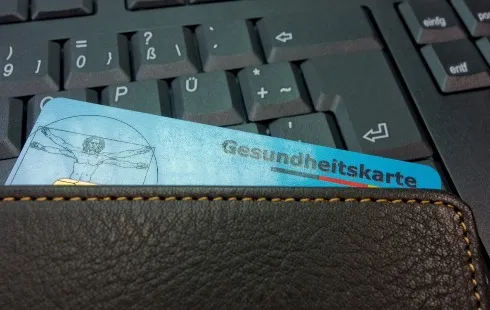
Both private Health Insurance in Germany and public insurance, is often complicated to navigate, not to mention expensive. As an expat, you are required to navigate this landscape within weeks of arriving, so check our FAQ on PKV. For our guide on resources and access to agents who can give you a competitive quote, try our PKV Cost comparison tool.
Germany is famous for its medical expertise and extensive number of hospitals and clinics. See this comprehensive directory of hospitals and clinics across the country, complete with links to their websites, addresses, contact info, and specializations/services.
Join us at the Kunstraum in der Au for the exhibition titled ,,Ereignis: Erzählung" by Christoph Scheuerecker, focusing on the captivating world of bees. This exhibition invites visitors to explore the intricate relationship between bees and their environment through various artistic expressions,...



No comments yet. Be the first to comment!