Munich Signals Its Ambition at Plug and Play Tech Center AI Summit
Section: Business
The incoming German government, led by Friedrich Merz, is set to implement border controls with neighboring countries starting from May 7. Merz, the likely successor as Chancellor of Germany, has promised these measures in his campaign, as the Christian Democratic Union (CDU) has formed a coalition agreement with the Social Democratic Party (SPD).
Merz, known for his direct approach, has consistently advocated for a significant reduction in immigration, suggesting that Germany will cease accepting asylum applications at its borders. This stance has raised concerns among Germany's neighbors, as the nation is centrally situated in Europe with eight bordering countries: Poland, Czech Republic, Austria, Switzerland, France, Luxembourg, Belgium, and the Netherlands. All these nations are part of the Schengen Area, which typically prohibits border controls except under exceptional circumstances.
According to the coalition agreement, the German government plans to conduct these border controls in cooperation with its neighbors. However, Luxembourg's interior minister has expressed skepticism, describing the move as a violation of EU law. Merz argues that the Schengen Agreement does indeed allow for temporary border controls, but the proposed measures appear to be anything but temporary.
Germany had already reinstated border controls last year, resulting in significant traffic delays for the daily 225,000 commuters traveling between Luxembourg and Germany. The delays are attributed to stationary border checks rather than random inspections, compounded by a lack of sufficient border staff to manage the flow smoothly. This has left neighboring countries apprehensive about the future implications of Germany's border policies.
In addition to the border controls, the new government is planning extensive deportations of over 226,000 individuals whose asylum requests have been denied but who have yet to leave Germany. Furthermore, the government aims to tighten conditions for Ukrainian refugees, stipulating that those arriving after April 1 will no longer automatically qualify for inclusion in the German social system and will be required to disclose their financial assets. Individuals awaiting deportation to countries such as Afghanistan and Syria will also lose access to legal assistance.
Historically, Germany's generous refugee policies were part of a broader humanitarian strategy aimed at enhancing its international reputation. However, this approach seems to be shifting, with the incoming administration adopting a more selective and restrictive stance regarding immigration.
Section: Business
Section: Health Insurance

Section: News

Section: Arts

Section: Health

Section: Fashion
Section: Politics

Section: Fashion

Section: News
Section: Fashion
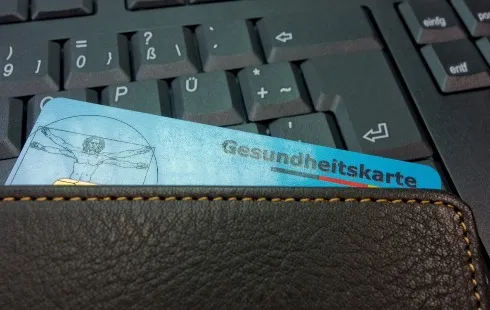
Both private Health Insurance in Germany and public insurance, is often complicated to navigate, not to mention expensive. As an expat, you are required to navigate this landscape within weeks of arriving, so check our FAQ on PKV. For our guide on resources and access to agents who can give you a competitive quote, try our PKV Cost comparison tool.
Germany is famous for its medical expertise and extensive number of hospitals and clinics. See this comprehensive directory of hospitals and clinics across the country, complete with links to their websites, addresses, contact info, and specializations/services.
Join us at the Kunstraum in der Au for the exhibition titled ,,Ereignis: Erzählung" by Christoph Scheuerecker, focusing on the captivating world of bees. This exhibition invites visitors to explore the intricate relationship between bees and their environment through various artistic expressions,...



No comments yet. Be the first to comment!