
Why Turquoise Is Becoming Most Viral Color of 2026
Section: Fashion
The Moderate Party has put forth a proposal aimed at establishing standardized regulations across all municipal schools in Stockholm. The party argues that while existing rules are in place, they lack the necessary clarity and specificity.
Among the proposed regulations is a ban on mobile phones, restrictions on sitting on desks and benches, the introduction of a dress code for students, and the enforcement of appropriate language among pupils. The party emphasizes the need for a zero-tolerance policy against derogatory language and racist remarks.
A recent state investigation into safety and conducive learning environments in schools suggested implementing regulations in all educational institutions. However, it did not include a specific mobile phone ban.
The party's representative, Andréa Hedin, acknowledged the absence of a mobile ban in the investigation but noted that the government has indicated a willingness to move in that direction. Currently, the decision to collect mobile devices during school hours lies with individual schools, with a growing number opting to enforce such bans.
In response to concerns raised by parents regarding communication with their children during emergencies, Hedin assured that parents can always contact the school directly.
The proposed dress code would prohibit certain types of clothing. Hedin stated that items such as puffy jackets in math class or caps during English lessons are inappropriate for the school environment. The proposal also addresses the use of waist bags, which have been dubbed as 'becknar bags.'
When questioned about the possibility of implementing school uniforms, Hedin expressed the importance of allowing students the freedom to express their identity through their clothing choices.
The Moderate Party also advocates for clearer consequences for handling disruptive behavior in schools. They argue that aggressive actions, threats, violence, or bullying should not be tolerated within educational settings.
Hedin expressed her concerns regarding the rising number of reports related to threats and violence in schools, citing a recent encounter with a pregnant teacher who felt unsafe and requested reassignment due to fears for her health.
The party believes it is crucial to establish a so-called 'expectation document' at the onset of a child's schooling, outlining the responsibilities of the school, the student, and the parents.
Furthermore, the Moderates propose an amendment to the education law that would require parents to attend classes with their children if behavioral issues arise.
Hedin emphasized that if parents doubt the school's reports regarding their child's behavior, they should participate in the classroom environment. She reiterated that the responsibility for guiding children's conduct lies with the parents, not solely with teachers.
The party's ultimate recommendation for children exhibiting disruptive behavior is their transfer to an 'acute school,' which would be available from grade four through high school. This type of institution is intended for students who need temporary reassignment outside their regular school setting.
Emilia Bjuggren, the school city councilor, criticized the Moderate Party's proposals, labeling them as 'symbolic politics' that signal a call for stricter measures. She acknowledged the difficulties posed by disruptive children who require additional support but argued that implementing a dress code will not resolve these underlying issues.
Bjuggren contended that the majority of Stockholm's schools already have mobile phone bans in place, either fully or partially during the school day, rendering the proposed mobile ban unnecessary.
In summary, the debate continues in Stockholm regarding how best to ensure a safe and conducive learning environment in schools while balancing the need for student expression and parental involvement.
Section: Fashion

Section: Health Insurance

Section: News

Section: Politics
Section: Business

Section: Health

Section: Arts

Section: Politics

Section: Business
Section: Health Insurance
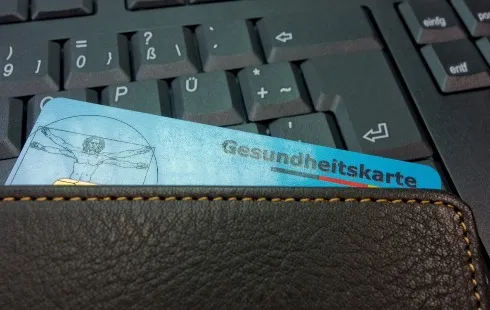
Both private Health Insurance in Germany and public insurance, is often complicated to navigate, not to mention expensive. As an expat, you are required to navigate this landscape within weeks of arriving, so check our FAQ on PKV. For our guide on resources and access to agents who can give you a competitive quote, try our PKV Cost comparison tool.
Germany is famous for its medical expertise and extensive number of hospitals and clinics. See this comprehensive directory of hospitals and clinics across the country, complete with links to their websites, addresses, contact info, and specializations/services.
Join us for the premiere of Echtzeitalter, a captivating theater production based on the novel by Tonio Schachinger. The story follows Till, a new student at a prestigious gymnasium, who grapples with the outdated teaching methods of his strict teacher, Dolinar. As Till navigates his elite...



No comments yet. Be the first to comment!