
Munich Signals Its Ambition at Plug and Play Tech Center AI Summit
Section: Business
In Austria, individuals seeking to initiate a citizens' initiative must pay a fee of approximately EUR3,400. If the initiative surpasses the threshold of 100,000 signatures, it will not only be reviewed by the National Council but the initiator will also receive a payout of around EUR17,100. This financial support is disbursed regardless of the actual costs incurred by the organizers. Recently, a citizens' initiative that sought to challenge this practice fell short, garnering only 33,185 signatures. In contrast, a repeat initiative led by a previously successful organizer achieved significant support, obtaining 119,368 signatures, qualifying for the financial reward. This initiative aims to abolish the ORF broadcasting fee; however, like many prior efforts, it is likely to languish in the National Council due to a lack of political will.
These two instances highlight significant issues in the handling of direct democracy in Austria. On one hand, the financial barriers to initiating a citizens' initiative can deter participation, while on the other, the subsequent funding mechanism does not necessarily correlate with the actual expenses incurred by the proponents. The challenge of transforming public support into legislative action remains a critical concern, as many initiatives similar to the recent one have faced dismissal or stagnation despite substantial backing from the populace.
As citizens' initiatives play an essential role in the democratic process, the current framework raises questions about the effectiveness and accessibility of such initiatives. The disparity between the number of signatures collected and the subsequent political response underscores a disconnect between public sentiment and legislative action. This situation calls for a reevaluation of the processes governing citizens' initiatives to ensure they fulfill their intended purpose of enhancing citizen engagement and influence in governance.
In summary, while financial incentives exist for those who successfully navigate the citizens' initiative landscape, the broader issues of political accountability and responsiveness must be addressed to restore faith in the mechanism of direct democracy in Austria.
Section: Business
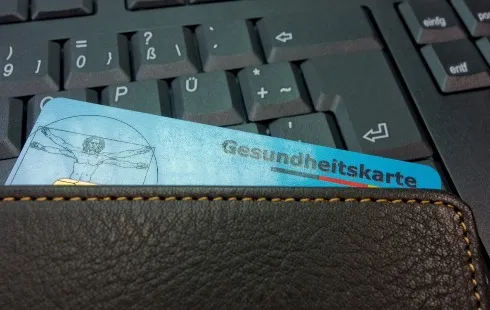
Section: Health Insurance

Section: News

Section: Arts

Section: Health

Section: Fashion

Section: Politics

Section: Fashion

Section: News

Section: Fashion
Both private Health Insurance in Germany and public insurance, is often complicated to navigate, not to mention expensive. As an expat, you are required to navigate this landscape within weeks of arriving, so check our FAQ on PKV. For our guide on resources and access to agents who can give you a competitive quote, try our PKV Cost comparison tool.
Germany is famous for its medical expertise and extensive number of hospitals and clinics. See this comprehensive directory of hospitals and clinics across the country, complete with links to their websites, addresses, contact info, and specializations/services.
Join us at the Kunstraum in der Au for the exhibition titled ,,Ereignis: Erzählung" by Christoph Scheuerecker, focusing on the captivating world of bees. This exhibition invites visitors to explore the intricate relationship between bees and their environment through various artistic expressions,...



No comments yet. Be the first to comment!