
Munich Signals Its Ambition at Plug and Play Tech Center AI Summit
Section: Business
The concept of waiting is central to the experience of Karsamstag, or Holy Saturday, a day that stands between the solemnity of Good Friday and the hope of Easter Sunday. This period of waiting is often described as a time when nothing occurs, a moment filled with silence and contemplation.
Throughout history, theological discourse has grappled with the significance of this waiting period. The challenge for contemporary theology and the church is to acknowledge and create space for this profound silence, rather than hastily glossing over it with words. The silence that descended upon the cross at Golgotha can resonate with those who are listening from the pulpit or lectern. It raises critical questions about whether theology has genuinely engaged with the fractures of human experience or if it has sought refuge in superficial reassurances.
In today's world, many individuals find themselves grappling with feelings of emptiness and resignation. For some, the words to express these feelings elude them, while the sense of futility looms large over their inner landscapes. The fleeting moments of joy seem to vanish amidst an overwhelming tide of forgetfulness, further compounded by the incessant noise of modern communication and visual stimuli.
The exploration of silence and absence has inspired artists and writers throughout modern history. They have sought to capture the essence of divine silence and human dislocation. This search often leads to the contemplation of 'Zimzum' in Jewish Kabbalah, a notion that illustrates God withdrawing into Himself, creating a void that becomes the space for the world and humanity to emerge. This void is not merely emptiness but a potential reflection of the absent divine, a theme that resonates in the works of modern literature and art.
Consider the poignant narratives woven into the New Testament, where resignation and emptiness are not foreign concepts. The story of Thomas, who demands physical proof of the resurrected Christ, illustrates a deep yearning for certainty amid despair. Similarly, the journey of the two disciples to Emmaus encapsulates a transition from hopelessness to unexpected joy, revealing the transformative power of encounters with the divine.
As the disciples walk away from Jerusalem, their conversation reflects their disillusionment. Yet, a stranger joins them, prompting them to share their burdens. This exchange opens the door for reinterpretation, urging them to see their experiences through a new lens. The stranger's insights serve as a catalyst for a renewed understanding of hope, emphasizing that the anticipated Messiah must endure suffering before entering glory.
Upon reaching Emmaus, the disciples invite their companion to stay with them. It is in the breaking of bread that their eyes are opened, and they recognize the presence of the risen Christ. This moment encapsulates the duality of presence and absence, highlighting how encounters with the divine can transform grief into joy, leading to a revitalized sense of purpose.
Moreover, this narrative exemplifies how feelings of emptiness and sorrow can be transfigured through meaningful relationships and shared experiences. The act of listening and accompanying one another can evoke moments of profound change, even within the ordinary flow of life.
The overarching message is clear: death does not have the final say. Should skepticism arise, one can examine the Emmaus account for insights into transformation. The act of listening to those who are despairing can foster change, as can the act of walking alongside others in their struggles. Furthermore, artistic expressions can illuminate the profound truth that life prevails beyond death.
Art, literature, and music have historically provided avenues to express the complex realities of life. The works of artists like Fra Angelico, Grünewald, and Rembrandt present images of the resurrected Christ that can profoundly impact even the most doubtful observer. Similarly, the compositions of Mahler and Messiaen seek to encapsulate the triumph of life over death.
In conclusion, the message of Karsamstag invites reflection on the nature of waiting and the promise of resurrection. As the anticipation of Easter approaches, it beckons individuals to embrace the transformative power of hope, reminding us that every breath should resonate with praise.
Section: Business
Section: Health Insurance

Section: News

Section: Arts

Section: Health

Section: Fashion
Section: Politics

Section: Fashion

Section: News

Section: Fashion
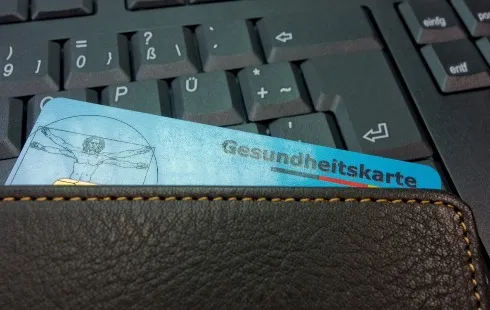
Both private Health Insurance in Germany and public insurance, is often complicated to navigate, not to mention expensive. As an expat, you are required to navigate this landscape within weeks of arriving, so check our FAQ on PKV. For our guide on resources and access to agents who can give you a competitive quote, try our PKV Cost comparison tool.
Germany is famous for its medical expertise and extensive number of hospitals and clinics. See this comprehensive directory of hospitals and clinics across the country, complete with links to their websites, addresses, contact info, and specializations/services.
Join us at the Kunstraum in der Au for the exhibition titled ,,Ereignis: Erzählung" by Christoph Scheuerecker, focusing on the captivating world of bees. This exhibition invites visitors to explore the intricate relationship between bees and their environment through various artistic expressions,...



No comments yet. Be the first to comment!