
Why Turquoise Is Becoming Most Viral Color of 2026
Section: Fashion
In a recent session, the Interior Committee of the Austrian Parliament unanimously passed a proposal from the ruling coalition to temporarily pause family reunification processes. This initiative is part of an amendment to the asylum law aimed at alleviating pressures on the Austrian education system.
The proposal, which received majority support from the ÖVP (Austrian People's Party), SPÖ (Social Democratic Party), and NEOS (The New Austria and Liberal Forum), allows the government to suspend the processing of family reunification applications through regulatory means. Interior Minister Gerhard Karner emphasized that this legislative change is a crucial step towards reducing the burden on the education system, particularly in urban areas like Vienna.
While coalition members hailed the amendment as a positive development, the Freedom Party (FPÖ) criticized it as a mere placebo that fails to address the underlying challenges within the asylum and migration sectors. The Green Party expressed concerns regarding the necessity of the amendment, citing potential violations of legal standards.
The FPÖ had proposed an immediate and permanent halt to family reunification, while the Greens sought a solution that aligns with EU laws. However, these opposition proposals did not gain sufficient support within the committee.
Interior Minister Karner stated that Austria has faced significant challenges due to family reunifications in recent years, with over 17,000 individuals joining their families in Austria during the past two years, many of whom were school-age children. This influx has contributed to strains on the education system and an increase in youth crime rates.
To address these issues, the government has implemented various measures, including enhanced DNA testing and document verification, resulting in a notable decrease in family reunification cases. The proposed amendment aims to legally ensure the temporary suspension of family reunifications. It also outlines that a quota system will be developed to manage the capacity of state systems while respecting the rights protected by the European Convention on Human Rights.
Supporters of the amendment, such as Lukas Brandweiner from the ÖVP, pointed out the particularly heavy impact of family reunification on Vienna, welcoming the draft. Fraktionskollege Andreas Minnich noted that the law positions Austria prominently within Europe, while SPÖ representative Robert Laimer described it as both appropriate and forward-looking.
In contrast, FPÖ member Gernot Darmann argued that the amendment only addresses a minor aspect of a broader asylum crisis, pointing out that while 17,000 individuals have entered via family reunification, a total of 250,000 migrants have arrived in the last four years. He asserted that if the government is concerned about internal security, it should consider a complete asylum stoppage.
Critics from the FPÖ claimed the amendment provides a loophole for those attempting to exploit the asylum process and argued that it does not sufficiently prioritize national security. They called for a comprehensive asylum stop, highlighting concerns over illegal immigration and the misuse of asylum rights.
Meanwhile, the coalition parties rejected these claims, asserting the importance of maintaining a balance between order and humanitarian considerations. Secretary of State Jörg Leichtfried emphasized the necessity of upholding both legal and social stability in all measures taken.
The proposed amendment would allow the government to issue regulations that enable the acceptance of family reunification applications while permitting authorities to extend the decision-making timeline beyond the standard six months when public order or internal security is deemed at risk. However, specific exceptions would still apply to minors and other applicants whose rights to family life under the European Convention on Human Rights are considered essential.
This proposed legislative change is expected to remain in effect until the end of September 2026, pending further discussions and adjustments.
Section: Fashion

Section: Health Insurance

Section: News

Section: Politics
Section: Business

Section: Health

Section: Arts
Section: Politics

Section: Business
Section: Health Insurance
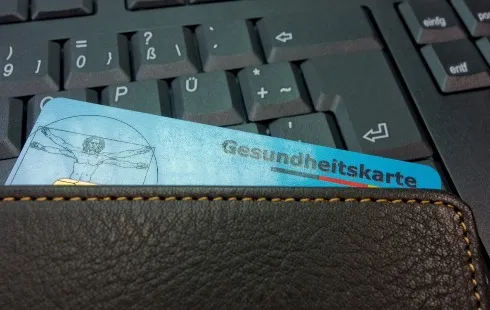
Both private Health Insurance in Germany and public insurance, is often complicated to navigate, not to mention expensive. As an expat, you are required to navigate this landscape within weeks of arriving, so check our FAQ on PKV. For our guide on resources and access to agents who can give you a competitive quote, try our PKV Cost comparison tool.
Germany is famous for its medical expertise and extensive number of hospitals and clinics. See this comprehensive directory of hospitals and clinics across the country, complete with links to their websites, addresses, contact info, and specializations/services.
Join us for the premiere of Echtzeitalter, a captivating theater production based on the novel by Tonio Schachinger. The story follows Till, a new student at a prestigious gymnasium, who grapples with the outdated teaching methods of his strict teacher, Dolinar. As Till navigates his elite...



No comments yet. Be the first to comment!