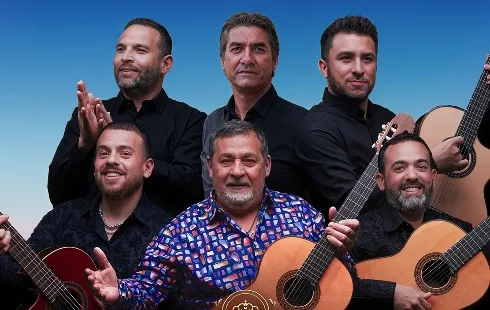
Gipsy Kings: "Music Is a Natural Way of Life"
Section: Arts
The film Sorry, Baby marks a significant debut in feature filmmaking, presenting a nuanced exploration of trauma, consent, and personal recovery. Written, directed, and starring Eva Victor, the drama follows the lives of two former university friends, Lydie and Agnes, as they reconnect after a period of separation. Set in a small house they once shared during their studies in literature, the narrative quickly moves beyond lighthearted reunion, delving into complex emotional territory.
The core of the story addresses the aftermath of sexual assault and the intricate boundaries surrounding consent. Rather than depicting the violent act directly, the film maintains a deliberate distance, focusing on the emotional repercussions experienced by Agnes, who was assaulted by her academic supervisor three years prior. The direction ensures the perspectives and experiences of the survivor remain central throughout, avoiding sensationalism and refraining from traditional revenge-driven storylines commonly found in similar narratives.
Sorry, Baby distinguishes itself by portraying the healing process with subtlety and restraint. The film examines the symptoms of trauma, such as anxiety and post-traumatic stress disorder, not through dramatic declarations but through everyday interactions and understated performances. The atmosphere is carefully crafted, with a focus on the protagonist's journey toward recovery, rather than an overt pursuit of justice or retribution.
The production style is reminiscent of American independent cinema from the 1990s, characterized by its low-budget authenticity, intellectual discourse, and muted humor. The film's approach encourages viewers to consider nuanced questions regarding the separation of art from the artist, exemplified by a subplot involving the controversial novel Lolita. Characters debate the possibility of appreciating artistic merit while acknowledging problematic themes, reflecting broader discussions within the arts community.
Throughout, the script incorporates refined humor and insightful observations. Attention to detail is evident in both sound and visual storytelling, subtly highlighting everyday realities and emotional states. The restrained tone and focus on realistic character development set Sorry, Baby apart from more overtly dramatic or didactic works on similar subjects.
While the film occasionally borders on the commonplace, these moments are balanced by originality and clever narrative choices, resulting in an authentic depiction of recovery and resilience. The avoidance of mobile technology within the story further contributes to an atmosphere where characters engage deeply with literature and philosophical questions, fostering meaningful dialogue and introspection.
Sorry, Baby thus emerges as a thoughtful commentary on trauma, agency, and the ongoing process of healing, offering audiences a distinct perspective on a challenging topic without resorting to sensationalism. The film's commitment to nuance and realism presents a valuable contribution to contemporary cinema, encouraging ongoing discussion about consent, artistic expression, and personal growth.
Section: Arts

Section: Fashion

Section: Health Insurance
Section: News

Section: Politics

Section: Business

Section: Health

Section: Arts

Section: Politics

Section: Business
Both private Health Insurance in Germany and public insurance, is often complicated to navigate, not to mention expensive. As an expat, you are required to navigate this landscape within weeks of arriving, so check our FAQ on PKV. For our guide on resources and access to agents who can give you a competitive quote, try our PKV Cost comparison tool.
Germany is famous for its medical expertise and extensive number of hospitals and clinics. See this comprehensive directory of hospitals and clinics across the country, complete with links to their websites, addresses, contact info, and specializations/services.
Didn't manage to get a ticket for Linkin Park? Or still not enough after the concert? Join us at CRASH on June 12th for our "IN THE END" Linkin Park Special + CORE NIGHT.All night long, we'll be playing Linkin Park's music, along with Nu Metal, Metalcore, and Alternative Rock from bands such as Limp...



No comments yet. Be the first to comment!