
Gipsy Kings: "Music Is a Natural Way of Life"
Section: Arts
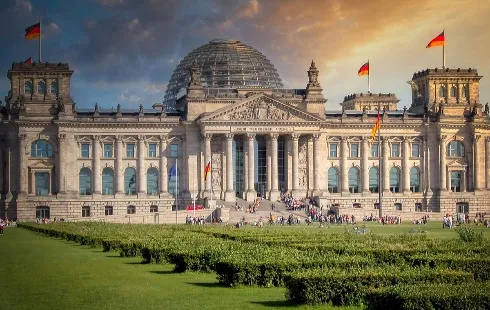
The legislative body recently deliberated over proposed amendments to the High-Speed Railways Act, aimed at streamlining and expediting the implementation of critical railway infrastructure projects. The new legal framework is designed to facilitate faster execution of key rail developments, supporting the modernization and enhancement of the nation's transportation network.
During the parliamentary session, the majority of political parties demonstrated support for the legislative changes, emphasizing the importance of efficient project delivery to meet future mobility demands and to foster economic development. The reforms are positioned as a strategic response to the rising need for improved public transport and sustainable infrastructure, with a view to meeting climate and economic objectives.
However, the Green Party emerged as the sole parliamentary group to reject the proposed acceleration measures. While other parties endorsed the framework as a pragmatic approach to infrastructure growth, the Greens expressed reservations, voicing concerns about the broader implications of fast-tracking rail projects. Despite requests for a detailed rationale behind their opposition, the party did not offer specific explanations during the session. Observers have noted that the Green Party's stance may stem from considerations regarding environmental oversight, procedural transparency, or the potential impact on local communities, though no official statement was provided on these points in the debate.
Proponents of the legal amendments argue that the new measures are crucial for addressing transportation bottlenecks and maintaining the country's competitive edge. They assert that targeted reforms and investment acceleration are necessary to realize planned infrastructure projects in a timely manner, ensuring both economic resilience and progress on environmental commitments.
The updated legal framework introduces streamlined approval processes, reduces administrative obstacles, and aims to allocate resources more efficiently. Supporters believe these steps will not only advance the construction and modernization of railway lines but also contribute to the broader transition toward sustainable mobility. They highlight that enhanced infrastructure is vital for reducing traffic congestion, lowering emissions, and providing reliable alternatives to road transport.
In contrast, the Green Party's opposition underscores the ongoing debate within the political landscape regarding the balance between swift infrastructure expansion and adherence to environmental and procedural standards. Stakeholders and analysts continue to monitor the implications of the party's stance, particularly as the country seeks to reconcile rapid development goals with sustainability and public consultation requirements.
The legislation will proceed under the support of the majority, despite the Green Party's dissent. The government remains committed to implementing reforms that promote timely investment in the railway sector, aligning with national and European ambitions for an efficient, environmentally responsible transport system.
Section: Arts

Section: Fashion

Section: Health Insurance

Section: News

Section: Politics
Section: Business

Section: Health

Section: Arts
Section: Politics
Section: Business
Both private Health Insurance in Germany and public insurance, is often complicated to navigate, not to mention expensive. As an expat, you are required to navigate this landscape within weeks of arriving, so check our FAQ on PKV. For our guide on resources and access to agents who can give you a competitive quote, try our PKV Cost comparison tool.
Germany is famous for its medical expertise and extensive number of hospitals and clinics. See this comprehensive directory of hospitals and clinics across the country, complete with links to their websites, addresses, contact info, and specializations/services.
Didn't manage to get a ticket for Linkin Park? Or still not enough after the concert? Join us at CRASH on June 12th for our "IN THE END" Linkin Park Special + CORE NIGHT.All night long, we'll be playing Linkin Park's music, along with Nu Metal, Metalcore, and Alternative Rock from bands such as Limp...



No comments yet. Be the first to comment!