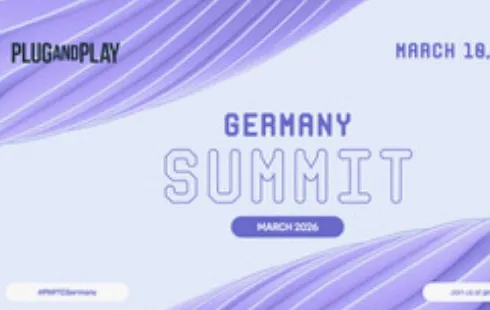
Munich Signals Its Ambition at Plug and Play Tech Center AI Summit
Section: Business
In recent discussions, the Austrian government has come under fire for its handling of renewable energy initiatives, particularly regarding the expansion of wind energy. The delays in implementing necessary legislation have raised concerns among environmental advocates and energy experts alike.
Critics argue that the ruling coalition's procrastination on the Electricity Industry Act and the Renewable Energy Expansion Acceleration Act has hindered progress in aligning with EU directives aimed at designating zones for wind turbines. Proponents of renewable energy assert that the drafts for these essential laws have been prepared for months but have faced obstruction from both the ÖVP and, to some extent, the SPÖ.
Advocates for green energy stress the urgency of advancing renewable projects, emphasizing that the necessary legislative measures could be introduced immediately if the government demonstrated the political will to do so. They contend that excuses for inaction are unproductive and that swift legislative action is critical to avoid potential infringements of EU laws.
Furthermore, there is a growing call for equitable energy pricing that reflects the decreasing costs of renewable energy sources. Stakeholders insist that lower-income households should receive adequate support to prevent energy poverty. They advocate for a fair energy tariff to ensure that all citizens can benefit from the advancements in the renewable energy sector.
The urgency of the situation is compounded by geopolitical factors, as reliance on fossil fuels from authoritarian regimes poses significant risks. Advocates argue that accelerating the transition to renewable energy is essential not only for achieving climate targets but also for ensuring energy independence.
As the debate continues, the pressure mounts on the government to act decisively in promoting renewable energy and fulfilling its obligations under EU law. The outcome of this legislative impasse could have far-reaching implications for Austria's energy future and its commitment to sustainability.
Section: Business
Section: Health Insurance

Section: News

Section: Arts

Section: Health

Section: Fashion
Section: Politics
Section: Fashion
Section: News
Section: Fashion
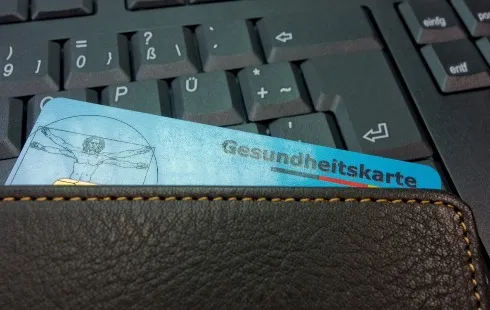
Both private Health Insurance in Germany and public insurance, is often complicated to navigate, not to mention expensive. As an expat, you are required to navigate this landscape within weeks of arriving, so check our FAQ on PKV. For our guide on resources and access to agents who can give you a competitive quote, try our PKV Cost comparison tool.
Germany is famous for its medical expertise and extensive number of hospitals and clinics. See this comprehensive directory of hospitals and clinics across the country, complete with links to their websites, addresses, contact info, and specializations/services.
Join us at the Kunstraum in der Au for the exhibition titled ,,Ereignis: Erzählung" by Christoph Scheuerecker, focusing on the captivating world of bees. This exhibition invites visitors to explore the intricate relationship between bees and their environment through various artistic expressions,...



No comments yet. Be the first to comment!