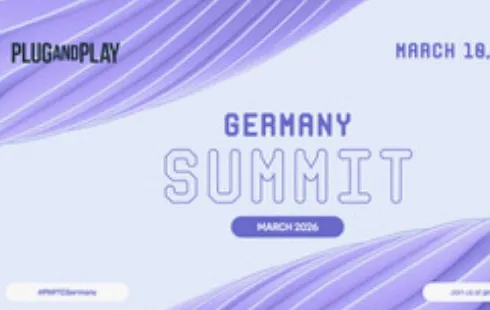
Munich Signals Its Ambition at Plug and Play Tech Center AI Summit
Section: Business
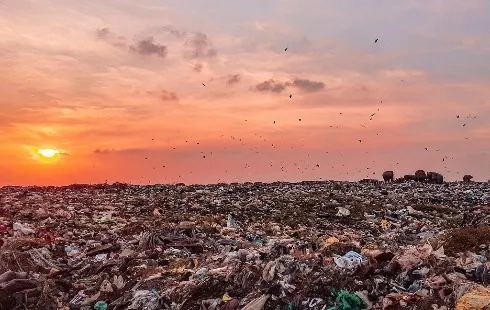
In today's modern society, our reliance on various materials continues to grow at an unprecedented rate. Recent studies reveal that the total mass of human-made materials has surpassed that of all living organisms on Earth, marking a significant milestone in material consumption. As of now, the annual extraction of materials from nature exceeds 100 billion tons, a figure that has tripled since 1970.
Research conducted by an international team, including experts from the Commonwealth Scientific and Industrial Research Organisation (CSIRO) and Austrian collaborators, indicates that nearly half of the extracted materials consist of mineral resources, primarily used in concrete production. Following mineral resources, biomass accounts for 26% of the total, fossil resources make up 15%, and metal ores represent 10%. This data highlights a crucial trend in our material usage patterns and raises important questions about sustainability and resource management.
As the demand for metals and other materials grows, the environmental implications are becoming increasingly apparent. The pressure on natural resources is intensifying, prompting calls for more sustainable practices in material extraction and usage. The construction industry, in particular, is a significant contributor to this demand, as concrete is one of the most widely used materials globally, further emphasizing the need for innovative solutions in material sourcing.
In light of these findings, experts are advocating for a reevaluation of our consumption habits and the materials we utilize. Transitioning towards more sustainable alternatives and enhancing recycling efforts could mitigate some of the ecological impacts associated with high material consumption. By adopting circular economy principles, society can aim to reduce the demand for virgin resources and lessen the environmental footprint of our material needs.
As we move forward, it is essential to balance our material demands with the health of our planet. The future of resource management may hinge on our ability to innovate and adapt, ensuring that the growth in material consumption does not come at the expense of ecological integrity.
Section: Business

Section: Health Insurance
Section: News

Section: Arts

Section: Health

Section: Fashion
Section: Politics
Section: Fashion

Section: News
Section: Fashion
Both private Health Insurance in Germany and public insurance, is often complicated to navigate, not to mention expensive. As an expat, you are required to navigate this landscape within weeks of arriving, so check our FAQ on PKV. For our guide on resources and access to agents who can give you a competitive quote, try our PKV Cost comparison tool.
Germany is famous for its medical expertise and extensive number of hospitals and clinics. See this comprehensive directory of hospitals and clinics across the country, complete with links to their websites, addresses, contact info, and specializations/services.
Join us at the Kunstraum in der Au for the exhibition titled ,,Ereignis: Erzählung" by Christoph Scheuerecker, focusing on the captivating world of bees. This exhibition invites visitors to explore the intricate relationship between bees and their environment through various artistic expressions,...



No comments yet. Be the first to comment!