
Why Turquoise Is Becoming Most Viral Color of 2026
Section: Fashion
The German government has announced a significant shift in its immigration policy, allowing for the rejection of asylum seekers at the country's borders. This decision was revealed by Interior Minister Alexander Dobrindt, who stated that the previous guidance from 2015 has been rescinded. The primary aim of this policy change is to gradually reduce illegal migration into Germany.
To enforce this policy, Dobrindt plans to increase police presence at border crossings and implement stricter regulations. He emphasized that the objective is not to reject all asylum seekers immediately but rather to decrease the number of individuals entering the country illegally. Vulnerable groups such as pregnant women and children will not be turned away, according to Dobrindt.
This policy aligns with the coalition agreement between the Christian Democratic Union (CDU), the Christian Social Union (CSU), and the Social Democratic Party (SPD), which includes provisions for coordinated border rejections in collaboration with neighboring European countries. Dobrindt noted that discussions have already taken place with leaders from these countries to ensure a unified approach.
In response to the announcement, Austrian Interior Minister Gerhard Karner expressed that Austria would not tolerate any illegal rejections of asylum seekers. The Austrian government welcomed Germany's efforts to combat human trafficking and illegal migration but insisted that all actions must comply with European law. Karner confirmed ongoing communication between German and Austrian authorities on this matter.
Meanwhile, Polish Prime Minister Donald Tusk voiced his criticism of the new German migration policy. He remarked that Germany would admit individuals at its discretion, while Poland would only allow entry to those it deems acceptable. Tusk highlighted concerns regarding the establishment of a migration center in Eisenhüttenstadt, which is intended to facilitate the rapid return of asylum seekers to other EU countries, particularly Poland. He also warned that if Germany were to introduce stricter border controls, Poland would reciprocate, potentially leading to a less cooperative approach to border security in the region.
Tusk underscored Poland's significant role in guarding the EU's external borders and accused the Belarusian regime of deliberately directing migrants from crisis regions towards the EU's eastern front. He called for enhanced collaboration with Germany to secure the external borders effectively.
Since September, Germany has maintained stationary border controls, a measure initially resisted within the ruling coalition, which had aimed to uphold the principles of the Schengen Agreement. Former Interior Minister Nancy Faeser had extended border checks initiated in 2015 multiple times, prompting varying reactions from political stakeholders.
Marcel Emmerich, the interior policy spokesperson for the Green party, criticized Dobrindt's move, arguing that it harms both people and the economy. He contended that the proposed rejections violate EU law and undermine European cohesion. Additionally, Irene Mihalic, another Green parliamentary official, expressed concerns that implementing such policies could lead German border officials into legal conflicts, urging an immediate halt to what she described as an anti-European and illegal course of action.
On the other hand, the Interior Minister of Saxony, Armin Schuster, welcomed the intensified border controls, asserting that this step is a necessary and overdue action, reflecting the demands of states governed by the CDU.
Section: Fashion

Section: Health Insurance

Section: News

Section: Politics
Section: Business

Section: Health

Section: Arts
Section: Politics

Section: Business
Section: Health Insurance
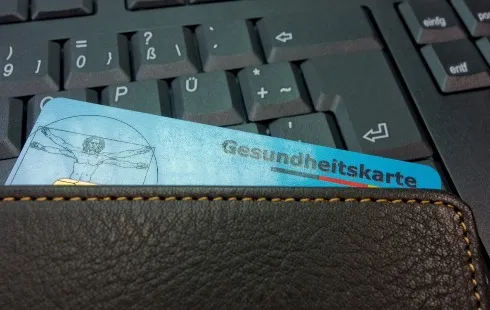
Both private Health Insurance in Germany and public insurance, is often complicated to navigate, not to mention expensive. As an expat, you are required to navigate this landscape within weeks of arriving, so check our FAQ on PKV. For our guide on resources and access to agents who can give you a competitive quote, try our PKV Cost comparison tool.
Germany is famous for its medical expertise and extensive number of hospitals and clinics. See this comprehensive directory of hospitals and clinics across the country, complete with links to their websites, addresses, contact info, and specializations/services.
Join us for the premiere of Echtzeitalter, a captivating theater production based on the novel by Tonio Schachinger. The story follows Till, a new student at a prestigious gymnasium, who grapples with the outdated teaching methods of his strict teacher, Dolinar. As Till navigates his elite...



No comments yet. Be the first to comment!