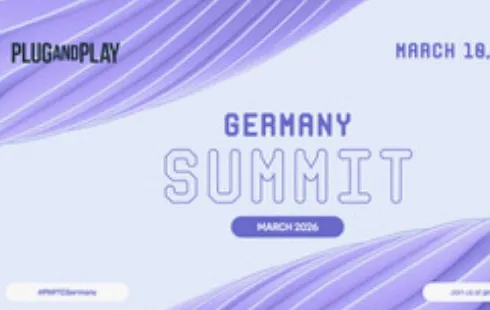
Munich Signals Its Ambition at Plug and Play Tech Center AI Summit
Section: Business
In a significant financial maneuver, Germany has initiated an expansive spending program exceeding one trillion euros. This development stands in stark contrast to Austria, which is currently facing the need to implement substantial budget cuts.
The newly formed German government is poised to unleash a wave of investment that could not only stimulate its own economy but also provide a much-needed boost to its smaller neighbor, Austria. Historically, Germany's economic policies have had a profound impact on Austria, which benefited immensely from the German economic recovery during the 1950s.
The scale of Germany's spending initiative raises questions about its potential effects on regional economic dynamics. As Austria grapples with fiscal constraints, the prospect of increased economic activity in Germany could translate into heightened demand for Austrian goods and services, thereby invigorating the local economy.
Germany's economic strength, characterized by its robust industrial base and export-oriented strategy, positions it as a key player in the European economic landscape. The proposed expenditures are expected to focus on various sectors, including infrastructure, technology, and green energy, aiming to enhance competitiveness and sustainability.
For Austria, the implications of Germany's spending program could be far-reaching. As a country heavily reliant on trade with its larger neighbor, any uptick in German economic performance could lead to increased exports and job creation in Austria. Economic analysts are closely monitoring these developments to assess how Austrian businesses can leverage the situation to their advantage.
In summary, while Austria faces financial challenges, Germany's substantial investment initiative may offer a glimmer of hope, potentially allowing Austria to benefit from the ripple effects of its neighbor's economic policies. As both nations navigate these complex economic landscapes, the outcomes will be critical in shaping the future of their bilateral relationship.
Section: Business
Section: Health Insurance

Section: News

Section: Arts

Section: Health

Section: Fashion
Section: Politics

Section: Fashion
Section: News

Section: Fashion
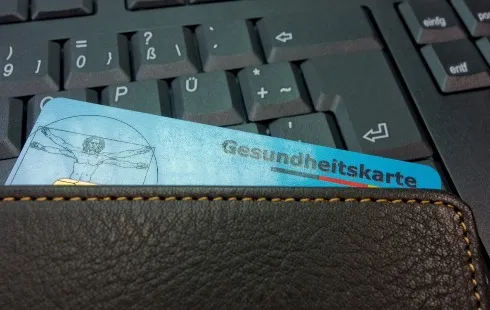
Both private Health Insurance in Germany and public insurance, is often complicated to navigate, not to mention expensive. As an expat, you are required to navigate this landscape within weeks of arriving, so check our FAQ on PKV. For our guide on resources and access to agents who can give you a competitive quote, try our PKV Cost comparison tool.
Germany is famous for its medical expertise and extensive number of hospitals and clinics. See this comprehensive directory of hospitals and clinics across the country, complete with links to their websites, addresses, contact info, and specializations/services.
Join us at the Kunstraum in der Au for the exhibition titled ,,Ereignis: Erzählung" by Christoph Scheuerecker, focusing on the captivating world of bees. This exhibition invites visitors to explore the intricate relationship between bees and their environment through various artistic expressions,...



No comments yet. Be the first to comment!