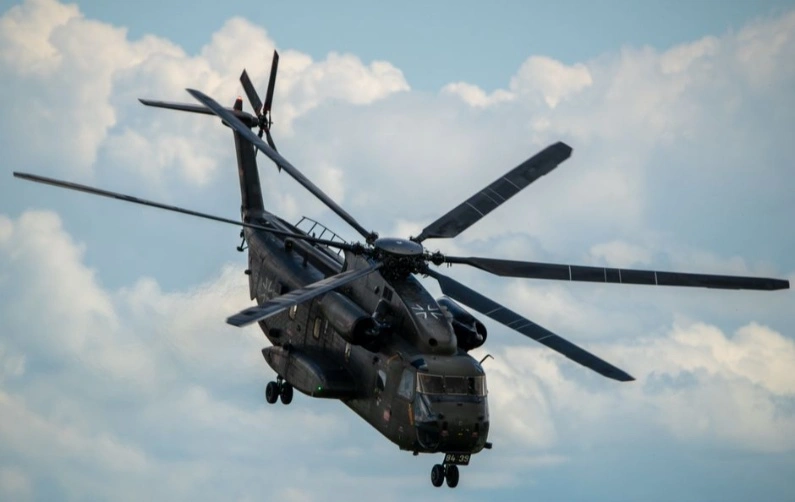
Record Orders in German Industry Driven by Defense Spending
Section: Politics
Starting in November, individuals aged 60 and over, as well as younger people at increased health risk, will gain free access to vaccines protecting against shingles (herpes zoster) and pneumococcal infections. This initiative expands the existing complimentary immunization program for adults, which already includes influenza, Covid-19, and HPV vaccinations. The announcement, made during a recent press conference by the Austrian health authorities, confirms that both new vaccines will be available directly through medical practitioners.
The herpes zoster vaccine prevents the reactivation of the varicella-zoster virus, which remains dormant in the body after causing chickenpox and can later manifest as shingles. Shingles is associated with severe pain and complications, especially among older adults. Vaccination is considered an effective strategy to reduce not only individual suffering but also the number of sick days and overall strain on the healthcare system.
Pneumococcal vaccination seeks to protect against bacterial pneumonia, a condition with a high risk of severe outcomes and mortality in older populations or those with underlying health issues. By preventing such infections, the program aims to curb hospitalizations and associated public health expenses.
Austria's social health insurance system has allocated EUR450 million for immunization initiatives under the current financial agreement, ensuring the provision of these vaccines at no cost to eligible populations through at least 2028. Health officials anticipate that the expansion will yield substantial long-term savings for the healthcare sector, as preventing disease is more cost-effective than treating complications arising from infections.
Based on data from similar programs in neighboring countries, health administrators project that about 175,000 individuals will receive either the shingles or pneumococcal vaccine during the first year of implementation. A comparable number is expected for the second year, after which demand may decline as coverage increases. All administered vaccinations are required to be documented in the national electronic vaccination register, enhancing the monitoring and evaluation of the program's reach and effectiveness.
The cost of these vaccines, if purchased privately, can be significant: the full course of the herpes zoster vaccine is typically around EUR500, while the pneumococcal vaccine ranges from EUR80 to over EUR100. By incorporating them into the state-funded vaccination scheme, authorities hope to eliminate financial barriers and improve overall immunization rates, particularly among those most vulnerable to these diseases.
While the expansion has been welcomed by various health organizations and senior advocacy groups, some stakeholders stress the importance of further broadening the public immunization program. Calls have been made to include other recommended vaccines, such as the combined pertussis, diphtheria, tetanus, and polio vaccine for adults, as well as vaccination against respiratory syncytial virus (RSV) for pregnant women, older adults, and high-risk individuals.
Public health representatives emphasize that Austria has made significant progress in disease treatment, but there remains a need for improvement in preventive care. The recent decision to offer these additional vaccines free of charge is seen as a critical step in addressing this gap, aiming to reduce the burden of infectious diseases, prevent avoidable deaths, and improve quality of life for the aging population.
All future expansions of the free immunization scheme will depend on the recommendations of national advisory bodies and the availability of funding. The long-term objective is to make all nationally recommended vaccines accessible to the public at no cost, further strengthening preventive health measures across the country.
Section: Politics

Section: Business
Section: Business
Section: Arts

Section: Business

Section: News
Section: Business

Section: News
Section: News
Section: Politics
Both private Health Insurance in Germany and public insurance, is often complicated to navigate, not to mention expensive. As an expat, you are required to navigate this landscape within weeks of arriving, so check our FAQ on PKV. For our guide on resources and access to agents who can give you a competitive quote, try our PKV Calculator.
Germany is famous for its medical expertise and extensive number of hospitals and clinics. See this comprehensive directory of hospitals and clinics across the country, complete with links to their websites, addresses, contact info, and specializations/services.
Didn't manage to get a ticket for Linkin Park? Or still not enough after the concert? Join us at CRASH on June 12th for our "IN THE END" Linkin Park Special + CORE NIGHT.All night long, we'll be playing Linkin Park's music, along with Nu Metal, Metalcore, and Alternative Rock from bands such as Limp...

No comments yet. Be the first to comment!