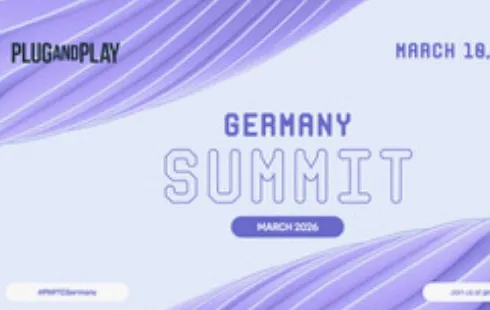
Munich Signals Its Ambition at Plug and Play Tech Center AI Summit
Section: Business
In light of escalating tensions regarding international trade, France has voiced significant apprehensions about proposed tariffs that the European Union (EU) might impose on American bourbon whiskey. During a recent meeting of EU trade ministers in Luxembourg, several member states, led by France, expressed their opposition to a Commission proposal that would add bourbon to a list of goods subject to counter-tariffs, potentially increasing import costs by 50%.
The primary concern among these nations is the potential for retaliation from the United States, which could lead to further escalations in tariffs on European alcoholic beverages. This scenario is particularly alarming for French wine producers, who are already facing challenges in the market. Should the US retaliate by raising tariffs to as high as 200%, it could severely impact the French wine industry by cutting off access to a substantial segment of the US market.
Stéphane Séjourné, the French EU Industry Commissioner, has advocated for a measured response from the EU to any US tariffs, cautioning against listing bourbon among counter-tariff items as suggested by some colleagues in Brussels. The resistance to such measures is not limited to France; Italy and Ireland have also joined in expressing their concerns. Italy fears for its wine market, while Ireland is worried about potential impacts on its beer exports. Additionally, Italy has raised alarms regarding EU tariffs on Harley-Davidson motorcycles, which could threaten its sales of domestic brands like Moto Guzzi and Ducati.
This ongoing discussion among EU ministers is currently focused on developing a response to the US tariffs imposed on aluminum, steel, and automobile imports, which stand at 25%. A second list of countermeasures is in the works to address additional US tariffs of 20% that may be enacted. The European Commission has designed its list of counter-tariff products to include items that could be easily substituted, indicating a strategic approach to mitigate potential damages from US retaliatory measures.
In addition to immediate trade responses, the Commission is also advocating for the rapid establishment of new free trade agreements with other global partners to lessen reliance on the US market, aiming to offset any losses from potential trade conflicts. Countries such as Canada and various nations in Latin America have shown interest in expediting trade negotiations.
However, there remains internal dissent regarding these agreements. Several countries, including France, Austria, Italy, and the Netherlands, have expressed reservations about the Mercosur trade agreement involving Argentina, Brazil, Paraguay, and Uruguay, citing concerns over increased competition from lower-priced imports that could undermine local agriculture.
The European Commission has considerable authority over the formulation of its counter-tariffs, as it is responsible for the trade policy of the entire EU. Any proposed tariffs against the US can only be blocked by a qualified majority, whereas other measures, such as taxes on US tech companies, require broader consensus among EU member states.
According to estimates from the Commission, the initial US tariffs are projected to inflict economic consequences amounting to EUR26 billion on the EU. The counter-tariffs on US goods are intended to match this value to compel negotiations with Washington. The second package of countermeasures addressing additional US tariffs is still under development and has yet to be finalized.
Irish Trade Minister Simon Harris has suggested that the EU's response to the US tariffs will be moderate, indicating a consensus among many ministers for a calm and calculated approach to encourage the US to return to the negotiating table. He also noted that discussions regarding tariffs on US tech companies are currently not prioritized.
Section: Business
Section: Health Insurance

Section: News

Section: Arts

Section: Health
Section: Fashion
Section: Politics

Section: Fashion
Section: News
Section: Fashion
Both private Health Insurance in Germany and public insurance, is often complicated to navigate, not to mention expensive. As an expat, you are required to navigate this landscape within weeks of arriving, so check our FAQ on PKV. For our guide on resources and access to agents who can give you a competitive quote, try our PKV Cost comparison tool.
Germany is famous for its medical expertise and extensive number of hospitals and clinics. See this comprehensive directory of hospitals and clinics across the country, complete with links to their websites, addresses, contact info, and specializations/services.
Join us at the Kunstraum in der Au for the exhibition titled ,,Ereignis: Erzählung" by Christoph Scheuerecker, focusing on the captivating world of bees. This exhibition invites visitors to explore the intricate relationship between bees and their environment through various artistic expressions,...



No comments yet. Be the first to comment!