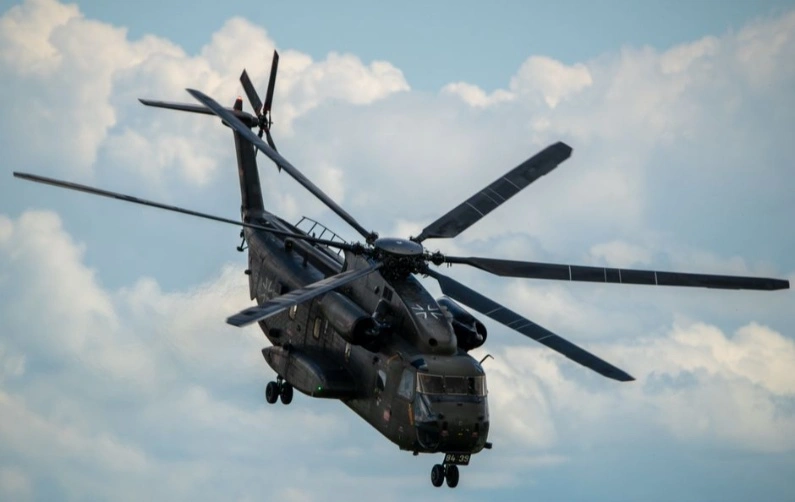
Record Orders in German Industry Driven by Defense Spending
Section: Politics
The Freedom Party of Austria (FPÖ) has called for an immediate change in the national approach to CO2 revenue allocation, emphasizing the need to support energy-intensive industries and prevent further industrial decline and job losses. According to FPÖ representatives, Austria faces significant challenges due to rising energy costs, particularly for sectors highly dependent on power, which are exacerbated by the current CO2 pricing mechanism.
Recent developments in Germany have heightened concerns, as the country has introduced an industrial electricity price and various compensation measures to offset the impact of CO2 pricing on local industries. These initiatives are seen as providing German companies with a competitive advantage over their Austrian counterparts. The FPÖ argues that, without similar relief measures, Austrian industries risk falling further behind, creating a potential threat to thousands of domestic jobs and undermining the country's industrial foundation.
Data from the Federation of Austrian Industries indicates a troubling trend: more than 36,000 industrial jobs have been lost in recent years, and one in fifteen production sites has shut down. These figures highlight the structural challenges facing Austria's manufacturing sector, particularly as companies struggle with rising costs and competitive pressures from neighboring countries that offer targeted industrial support.
One major factor identified is the effect of CO2 pricing on energy costs. The price of CO2 is often added directly to the cost of electricity generated from gas and other fossil fuels, impacting the overall market price of electricity. Although gas prices have seen some decline, the CO2 price acts as a hidden driver of electricity costs, affecting all energy consumers, but especially those in energy-intensive industries. Each increase in CO2 pricing directly raises operational expenses for these companies, making it more difficult for them to remain competitive and invest in future growth.
The FPÖ has outlined a series of measures aimed at relieving the burden on domestic industries. These include the full return of CO2 revenues to energy-intensive companies to cushion the impact of increased costs, introducing targeted compensation policies to ensure equal competition with Germany and other EU member states, and prioritizing the protection of industrial sites and jobs over the implementation of additional national or European CO2 regulations. The party warns that failure to take action could lead to irreversible deindustrialization.
Party officials have criticized the current government for not addressing these challenges, claiming that the lack of intervention has allowed Austrian businesses to be squeezed by high energy prices, CO2 costs, and regulatory pressures. They argue that the current system, if left unchanged, risks undermining the country's economic base by driving production and associated employment abroad.
The FPÖ is urging the government to recognize the significance of the situation and to implement measures that will ensure Austria remains an attractive and competitive location for industry. This includes creating fair and competitive framework conditions and avoiding excessive regulatory burdens that could further disadvantage Austrian companies in the global market.
Industry representatives and political observers are closely watching how the government will respond to these calls for action, as the outcome is expected to play a vital role in shaping the future trajectory of Austria's industrial sector and its position within the broader European economy.
Section: Politics
Section: Business
Section: Business
Section: Arts
Section: Business

Section: News
Section: Business
Section: News
Section: News
Section: Politics
Both private Health Insurance in Germany and public insurance, is often complicated to navigate, not to mention expensive. As an expat, you are required to navigate this landscape within weeks of arriving, so check our FAQ on PKV. For our guide on resources and access to agents who can give you a competitive quote, try our PKV Calculator.
Germany is famous for its medical expertise and extensive number of hospitals and clinics. See this comprehensive directory of hospitals and clinics across the country, complete with links to their websites, addresses, contact info, and specializations/services.
Didn't manage to get a ticket for Linkin Park? Or still not enough after the concert? Join us at CRASH on June 12th for our "IN THE END" Linkin Park Special + CORE NIGHT.All night long, we'll be playing Linkin Park's music, along with Nu Metal, Metalcore, and Alternative Rock from bands such as Limp...



No comments yet. Be the first to comment!