
Munich Signals Its Ambition at Plug and Play Tech Center AI Summit
Section: Business
The debate surrounding outdoor serving regulations in Karlstad has taken a new turn, potentially affecting the summer season for restaurants across Sweden. A recent ruling from the administrative court in Gothenburg has set a precedent that has raised concerns among hospitality operators nationwide.
Last year, Karlstad's local government denied Button Town Café an alcohol license, citing the absence of an indoor serving area. This decision has now been upheld by the court, which has interpreted the law to mean that outdoor alcohol service is illegal unless the establishment has facilities for indoor service.
This ruling has sparked confusion, as many outdoor venues--including food trucks, mini-golf courses, and dance halls--that rely on summer patronage may now struggle to operate. The ruling implies that even well-managed establishments must comply with this new interpretation, which many see as overly restrictive.
In Stockholm, one affected restaurateur reported that they were informed that having just one indoor seat would suffice for them to continue outdoor service. This harkens back to outdated regulations that seem incongruous in today's context.
Legal experts, including a professor of administrative law, suggest that the court may have misinterpreted the law, arguing that the term 'serving area' should not be exclusively linked to indoor spaces. The intent of the law is to ensure that establishments serving alcohol maintain certain standards, including cleanliness, staff training, and emergency preparedness.
However, if these criteria are met, many believe that it should not matter whether customers are served under a roof or outside. The court's ruling may not only be seen as erroneous but also as indicative of a need for legislative reform.
In response to growing concerns, politicians from various parties have called for a reevaluation of the law. It appears that there is broad consensus that changes are necessary to accommodate modern dining practices without compromising safety or standards.
As discussions continue, it is likely that a resolution will emerge that balances regulatory compliance with the operational needs of outdoor serving venues, ensuring that the summer season can proceed without significant disruption.
Section: Business
Section: Health Insurance

Section: News

Section: Arts

Section: Health

Section: Fashion

Section: Politics

Section: Fashion

Section: News

Section: Fashion
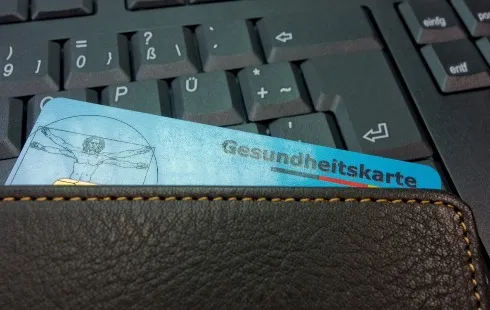
Both private Health Insurance in Germany and public insurance, is often complicated to navigate, not to mention expensive. As an expat, you are required to navigate this landscape within weeks of arriving, so check our FAQ on PKV. For our guide on resources and access to agents who can give you a competitive quote, try our PKV Cost comparison tool.
Germany is famous for its medical expertise and extensive number of hospitals and clinics. See this comprehensive directory of hospitals and clinics across the country, complete with links to their websites, addresses, contact info, and specializations/services.
Join us at the Kunstraum in der Au for the exhibition titled ,,Ereignis: Erzählung" by Christoph Scheuerecker, focusing on the captivating world of bees. This exhibition invites visitors to explore the intricate relationship between bees and their environment through various artistic expressions,...


No comments yet. Be the first to comment!