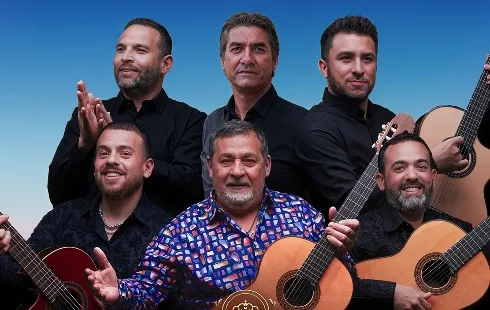
Gipsy Kings: "Music Is a Natural Way of Life"
Section: Arts
The European Commission has announced a revised strategy for the bioeconomy, placing increased emphasis on the role of bioenergy in enhancing energy security and fostering circular, biobased value chains across the continent.
The updated strategy recognizes bioenergy as a central component in Europe's transition away from fossil fuels such as coal, oil, and natural gas. In Austria, for example, wood-based heating systems and district heating networks powered by byproducts from forestry and wood processing now account for 43% of the nation's heating supply, surpassing the combined contribution of oil and gas heating systems.
This new approach by the Commission underscores the importance of integrating all biobased sectors in a cohesive system, ensuring that renewable resources are utilized efficiently and that energy production supports regional economies while reducing dependency on fossil imports. The European bioeconomy already demonstrates these principles, with circular value chains prioritizing the use of high-quality biomass for material production and channeling residual byproducts into renewable energy generation.
For regions such as Carinthia in Austria, the benefits of this strategy are evident: over 60% of total energy consumption comes from renewable sources, predominantly hydropower and bioenergy. The Commission's decision is anticipated to enable households and small businesses to further benefit from the bioeconomy, providing affordable and reliable energy solutions locally.
The strategy advocates for a systems-based approach to biomass utilization, highlighting the importance of converting biogenic byproducts and waste into energy to ensure both energy security and affordability. This policy direction aligns with ongoing efforts across the European Union to support local economies and reduce fossil fuel reliance, while fostering the growth of renewable energy sectors.
A notable aspect of the revised strategy is the formal recognition of the potential for biogenic carbon to contribute to long-term carbon storage. This is linked to emerging fields such as Bio-CCUS (carbon capture, utilization, and storage), which play a growing role in achieving climate neutrality and strengthening Europe's position in industrial carbon management. The strategy also connects these efforts with the EU Emissions Trading System (EU-ETS) and the Innovation Fund, supporting further advancements in climate technologies.
Looking ahead, the success of Europe's bioeconomy will depend on harmonizing the bioeconomy strategy with other EU directives, including the Renewable Energy Directive (RED III). The focus remains on aligning innovation, sustainability, and regional strengths to create a robust foundation for economic resilience, competitiveness, and climate objectives.
The Commission's revised stance is expected to drive continued investment and development in bioenergy, positioning it as a key renewable energy carrier for Europe and supporting the continent's broader ambitions for energy independence and climate leadership.
Section: Arts
Section: Fashion

Section: Health Insurance

Section: News
Section: Politics

Section: Business
Section: Health
Section: Arts
Section: Politics
Section: Business
Both private Health Insurance in Germany and public insurance, is often complicated to navigate, not to mention expensive. As an expat, you are required to navigate this landscape within weeks of arriving, so check our FAQ on PKV. For our guide on resources and access to agents who can give you a competitive quote, try our PKV Cost comparison tool.
Germany is famous for its medical expertise and extensive number of hospitals and clinics. See this comprehensive directory of hospitals and clinics across the country, complete with links to their websites, addresses, contact info, and specializations/services.
Didn't manage to get a ticket for Linkin Park? Or still not enough after the concert? Join us at CRASH on June 12th for our "IN THE END" Linkin Park Special + CORE NIGHT.All night long, we'll be playing Linkin Park's music, along with Nu Metal, Metalcore, and Alternative Rock from bands such as Limp...



No comments yet. Be the first to comment!