
Munich Signals Its Ambition at Plug and Play Tech Center AI Summit
Section: Business
In a time of economic uncertainty, the Democratic Party is urged to capitalize on the turmoil created by recent trade policies. The sudden imposition of tariffs by the Trump administration has resulted in a significant impact on the American economy, prompting calls for the party to refocus its messaging.
A well-known Democratic strategist emphasizes the need for the party to prioritize economic issues, reminding fellow Democrats that the primary concern for voters is their financial well-being. This sentiment echoes a famous phrase from the 1992 election which highlighted the importance of the economy in electoral success.
The recent trade policies have led to rising prices on consumer goods, increased mortgage rates, and shrinking retirement savings, creating what many view as a critical moment for the Democrats. The strategist encourages party members to harness the public's frustration over these economic challenges, transforming their platform into a voice for the economic struggles faced by everyday Americans.
There is an ongoing concern among party members that distractions from Trump's controversial remarks and proposals are diverting attention from pressing economic issues. Many believe that focusing on these distractions does not serve the party's interests and could hinder their ability to connect with voters.
Some Democratic leaders advocate for a shift away from cultural issues, suggesting that the party should not concentrate on topics such as immigration policies or educational funding. Instead, they argue that the key to regaining support lies in addressing economic pain directly since most voters ultimately base their decisions on financial considerations.
While advocating for economic reforms may seem straightforward, the party faces challenges in positioning itself without appearing overly supportive of free trade policies that some voters have come to view skeptically. The decline of manufacturing jobs in America, often attributed to globalization, has left many voters feeling alienated and frustrated.
Even as some Democratic figures express discontent over Trump's tariff strategy, they caution against outright condemnation of all tariffs. This approach, they argue, risks further alienating the working-class individuals who once formed the party's core constituents.
The United Auto Workers union, for example, has shown strong support for protective measures in the automotive industry, indicating a potential rift in perceptions of trade policies among Democrats. Some left-leaning figures, including prominent politicians, support targeted tariffs in specific sectors to protect American jobs and industries.
It is also worth noting that the current administration has made significant investments aimed at revitalizing domestic manufacturing, partly through the use of tariffs, demonstrating that there are complex layers to the trade debate.
As the Democratic Party navigates these challenges, experts suggest that rather than engaging in a debate about tariffs themselves, the focus should remain on the consequences of these policies--namely, the rising costs that consumers are experiencing. By highlighting these economic impacts, the party can remind voters of the promises made during previous elections about controlling inflation and reducing prices.
In this context, the Democrats have a unique opportunity to redefine their narrative and align themselves more closely with the economic realities faced by the electorate.
Section: Business
Section: Health Insurance

Section: News

Section: Arts

Section: Health

Section: Fashion

Section: Politics

Section: Fashion

Section: News

Section: Fashion
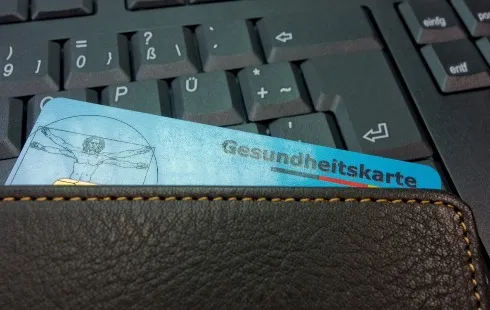
Both private Health Insurance in Germany and public insurance, is often complicated to navigate, not to mention expensive. As an expat, you are required to navigate this landscape within weeks of arriving, so check our FAQ on PKV. For our guide on resources and access to agents who can give you a competitive quote, try our PKV Cost comparison tool.
Germany is famous for its medical expertise and extensive number of hospitals and clinics. See this comprehensive directory of hospitals and clinics across the country, complete with links to their websites, addresses, contact info, and specializations/services.
Join us at the Kunstraum in der Au for the exhibition titled ,,Ereignis: Erzählung" by Christoph Scheuerecker, focusing on the captivating world of bees. This exhibition invites visitors to explore the intricate relationship between bees and their environment through various artistic expressions,...



No comments yet. Be the first to comment!