
Gipsy Kings: "Music Is a Natural Way of Life"
Section: Arts
The European Union's new automated border control platform, known as the Entry-Exit System (EES), has identified approximately 100 instances of identity fraud since its implementation in mid-October. The EES is designed to enhance security at the external borders of the Schengen Area by recording the movements of travelers from non-EU countries who intend to stay up to 90 days within the bloc.
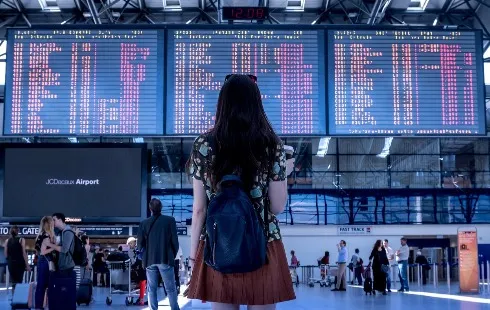
Since its introduction, the system has processed over 13.3 million entries and exits, according to data provided by an EU Commission spokesperson. The EES operates at numerous major European airports, including Vienna International Airport, Paris-Charles de Gaulle, Paris-Orly, Frankfurt, Berlin Brandenburg, Düsseldorf, Munich, Milan, Rome, Brussels-Zaventem, and Zurich.
The platform is scheduled for full deployment across all EU member states by April 2026. Its primary function is to register third-country nationals upon their entry and exit at Schengen borders. By compiling biometric data, such as fingerprints and facial images, along with scanned travel documents, the EES aims to reduce illegal stays and combat both identity fraud and unauthorized migration.
At Vienna International Airport alone, significant investments have been made to facilitate the system's operation. A total of 16 million euros has been allocated for the installation of 52 self-service registration stations and 72 dedicated border control booths. These upgrades are intended to expedite processing while maintaining stringent security standards.
The EES enables authorities to efficiently identify individuals attempting to cross into the EU using false identities or counterfeit documents. The automated checks improve the accuracy of border management and help ensure compliance with EU regulations regarding the duration of permitted stays for travelers from outside the bloc.
In addition to uncovering identity fraud, the system has recorded nearly 7,000 cases of refused entry since its rollout. Travelers from non-EU nations found to be lacking necessary documentation are subject to immediate return to their country of origin by air, as part of the EU's reinforced border procedures.
The introduction of this digital infrastructure is regarded as a central element in the EU's broader migration and security reforms. By automating border control processes and employing advanced biometric verification, the EES assists border authorities in monitoring the flow of travelers and ensuring that individuals adhere to the legal requirements of their stay.
Officials assert that the Entry-Exit System strengthens the EU's capability to detect and prevent fraudulent entry attempts, supporting overall efforts to manage migration and safeguard external borders. As the system becomes fully operational across all member states, it is expected to play a vital role in maintaining the integrity of the Schengen Area and protecting the security interests of the European Union.
Section: Arts

Section: Fashion

Section: Health Insurance
Section: News

Section: Politics
Section: Business

Section: Health

Section: Arts

Section: Politics

Section: Business
Both private Health Insurance in Germany and public insurance, is often complicated to navigate, not to mention expensive. As an expat, you are required to navigate this landscape within weeks of arriving, so check our FAQ on PKV. For our guide on resources and access to agents who can give you a competitive quote, try our PKV Cost comparison tool.
Germany is famous for its medical expertise and extensive number of hospitals and clinics. See this comprehensive directory of hospitals and clinics across the country, complete with links to their websites, addresses, contact info, and specializations/services.
Didn't manage to get a ticket for Linkin Park? Or still not enough after the concert? Join us at CRASH on June 12th for our "IN THE END" Linkin Park Special + CORE NIGHT.All night long, we'll be playing Linkin Park's music, along with Nu Metal, Metalcore, and Alternative Rock from bands such as Limp...



No comments yet. Be the first to comment!