Munich Signals Its Ambition at Plug and Play Tech Center AI Summit
Section: Business
Artificial intelligence (AI) assistants have become invaluable tools for many professionals, capable of transcribing and summarizing discussions swiftly during meetings. These tools, often free and straightforward to use, have gained popularity in workplaces filled with digital conferences.
However, within the European Commission--one of the key legislative bodies of the European Union (EU)--the use of AI assistants is prohibited during online meetings, as reported by Politico. This decision was first implemented in early April during a meeting focused on establishing digital innovation hubs with participants from across Europe.
According to the guidelines distributed to attendees, the directive was clear: "No AI Agents are allowed." This ban highlights a complex and often contradictory stance taken by the EU Commission regarding the technology it aims to regulate and promote.
On one hand, the EU has taken a pioneering step globally by introducing the AI Act, legislation designed to govern the use of AI technologies. This act aims to protect citizens from potential harms such as discrimination and mass surveillance. However, it has faced criticism for being overly bureaucratic and possibly stifling technological advancement.
On the other hand, the EU Commission is striving to position Europe as a leader in the AI sector. Henna Virkkunen, the EU's tech commissioner, has expressed ambitions for the continent to become a hub for AI innovation. This intention reflects a delicate balancing act of regulating the downsides of AI while simultaneously fostering its beneficial applications.
Recently, Commissioner Virkkunen unveiled a strategic plan aimed at enhancing the competitiveness of European AI companies against their American and Chinese counterparts. The initiative includes investments in AI factories and supercomputers, signaling a commitment to advancing AI capabilities within the EU.
This dual approach of restriction and promotion emphasizes the EU's intent to ensure that AI technologies are used responsibly while also encouraging growth and innovation in the sector. By implementing stringent regulations while simultaneously investing in AI infrastructure, the EU aims to create a robust environment conducive to technological development.
The ban on AI assistants during EU Commission meetings poses questions about the future of AI in legislative processes and its broader implications for governance. As the EU navigates this landscape, the outcomes of these policies will likely shape the integration of AI into everyday practices across various sectors.
Section: Business
Section: Health Insurance

Section: News

Section: Arts

Section: Health

Section: Fashion

Section: Politics

Section: Fashion

Section: News

Section: Fashion
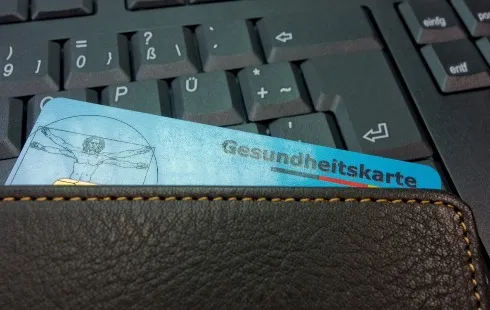
Both private Health Insurance in Germany and public insurance, is often complicated to navigate, not to mention expensive. As an expat, you are required to navigate this landscape within weeks of arriving, so check our FAQ on PKV. For our guide on resources and access to agents who can give you a competitive quote, try our PKV Cost comparison tool.
Germany is famous for its medical expertise and extensive number of hospitals and clinics. See this comprehensive directory of hospitals and clinics across the country, complete with links to their websites, addresses, contact info, and specializations/services.
Join us at the Kunstraum in der Au for the exhibition titled ,,Ereignis: Erzählung" by Christoph Scheuerecker, focusing on the captivating world of bees. This exhibition invites visitors to explore the intricate relationship between bees and their environment through various artistic expressions,...



No comments yet. Be the first to comment!