Munich Signals Its Ambition at Plug and Play Tech Center AI Summit
Section: Business
In a bid to enhance media literacy among students, Austrian schools are embarking on a journey toward greater digital integration, even as mobile phones are banned from classrooms. The initiative aims to foster digital learning and expand media competencies, contrasting the notion that reducing screen time equates to diminished digital engagement.
Starting in May, the Austrian Education Minister has implemented a ban on mobile phones within schools, citing concerns that these devices serve as distractions rather than educational tools. However, the government maintains that this move does not signify a retreat from digitalization. Instead, it aims to reinforce the importance of equipping students with essential digital skills necessary for the modern world.
A comprehensive survey conducted by the SN reveals the current state of media education in Austrian schools, shedding light on the progress made and the challenges that lie ahead. Many educators are recognizing the necessity of incorporating digital tools in their teaching methods to prepare students for the demands of a technology-driven society.
Educational institutions are adopting various strategies to cultivate digital competencies among students. These include integrating digital tools into the curriculum and providing training for teachers to effectively utilize technology in their teaching practices. By doing so, schools aim to create a balanced approach that maximizes the benefits of digital learning while minimizing potential distractions.
While the ban on mobile phones may initially seem counterproductive to the goal of promoting digital literacy, it is expected to encourage a more focused learning environment. Educators argue that removing phones from the classroom allows students to engage more deeply with subject matter and develop critical thinking skills without the constant lure of social media and other distractions.
The push for enhanced media literacy is timely, as the digital landscape continues to evolve rapidly. Students today must navigate a world filled with information, requiring them to discern credible sources from unreliable ones. Schools are stepping up to address this need by implementing programs that teach students how to critically evaluate online content and use digital tools responsibly.
As Austria moves forward with its educational reforms, the focus remains on striking a balance between fostering digital innovation and ensuring a conducive learning atmosphere. The success of these initiatives will depend on collaboration between educators, policymakers, and the community to create a future-ready generation.
Section: Business
Section: Health Insurance

Section: News

Section: Arts

Section: Health

Section: Fashion

Section: Politics

Section: Fashion

Section: News

Section: Fashion
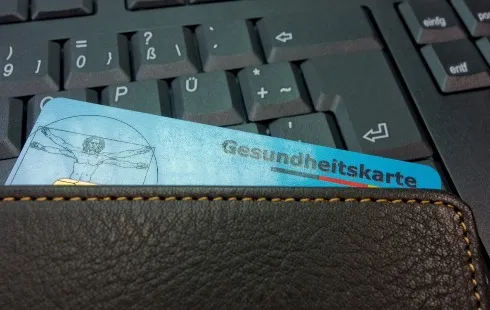
Both private Health Insurance in Germany and public insurance, is often complicated to navigate, not to mention expensive. As an expat, you are required to navigate this landscape within weeks of arriving, so check our FAQ on PKV. For our guide on resources and access to agents who can give you a competitive quote, try our PKV Cost comparison tool.
Germany is famous for its medical expertise and extensive number of hospitals and clinics. See this comprehensive directory of hospitals and clinics across the country, complete with links to their websites, addresses, contact info, and specializations/services.
Join us at the Kunstraum in der Au for the exhibition titled ,,Ereignis: Erzählung" by Christoph Scheuerecker, focusing on the captivating world of bees. This exhibition invites visitors to explore the intricate relationship between bees and their environment through various artistic expressions,...



No comments yet. Be the first to comment!