
Why Turquoise Is Becoming Most Viral Color of 2026
Section: Fashion
The Swedish government's plan to merge the Arkdes (Swedish Centre for Architecture and Design) and the National Public Art Council into the Moderna Museet has sparked significant criticism. This proposal, likened to a forced union, has raised alarms among cultural experts and institutions regarding the ramifications of such a merger.
Critics have expressed their discontent through a multitude of responses, with many calling for the plans to be halted. The feedback highlights a lack of clarity and insufficient grounding in the proposed changes, raising concerns about potential power centralization and the erosion of smaller institutions' distinct roles.
Among the responses, several notable organizations, including the Royal Academy of Fine Arts and the Swedish Artists' National Organization, have voiced their objections, questioning the assumptions and conclusions drawn in the government's investigation. The process has been criticized for its speed, which some argue undermines democratic principles.
Particular attention has been drawn to the name 'Moderna' for the new institution, which already belongs to a pharmaceutical and an insurance company, raising concerns about branding and identity. Critics warn that merging these institutions could lead to a significant loss of specialized knowledge and artistic diversity.
Furthermore, there are fears that the consolidation might not yield the intended efficiency benefits. Instead, it could result in increased bureaucratic oversight and political influence over artistic matters. Even the Moderna Museet, which initially seemed supportive of the merger, later submitted extensive concerns regarding the risks involved, indicating that any potential advantages might be minimal.
The proposed governance structure, which suggests a board above three department heads, has also been met with skepticism. The previous governance model, which was abandoned in 2008 for over seventy agencies, included central museums and is seen as incompatible with the laws established to protect artistic freedom.
Critics have pointed out that the investigation conducted by the government appears to overlook many issues brought to light by previous museum mergers, which often resulted in diminished visibility for specific art forms. For instance, the integration of the Photography Museum into the Moderna Museet has been criticized for reducing the prominence of photographic art.
In contrast, museums that have separated from larger organizations have reported benefits, such as greater financial efficiency and decreased bureaucratic hurdles. The situation surrounding the proposed merger has led to a widespread mobilization of opposition, highlighting the critical role of public engagement in cultural matters.
While some experts argue that a merger of Arkdes and the National Public Art Council could be more acceptable, given their shared focus on applied arts, it remains crucial that any decisions made are grounded in thorough analysis and genuine understanding of the cultural landscape.
Overall, the outpouring of concern regarding the proposed merger reflects a deep commitment to preserving the integrity and autonomy of Sweden's cultural institutions.
Section: Fashion

Section: Health Insurance

Section: News

Section: Politics
Section: Business

Section: Health

Section: Arts
Section: Politics
Section: Business
Section: Health Insurance
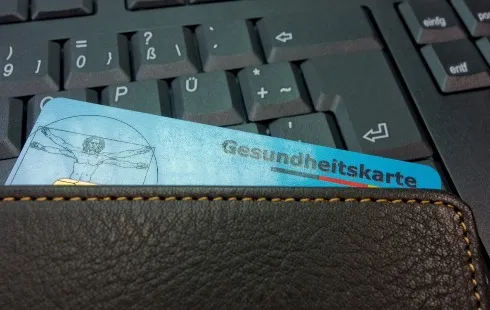
Both private Health Insurance in Germany and public insurance, is often complicated to navigate, not to mention expensive. As an expat, you are required to navigate this landscape within weeks of arriving, so check our FAQ on PKV. For our guide on resources and access to agents who can give you a competitive quote, try our PKV Cost comparison tool.
Germany is famous for its medical expertise and extensive number of hospitals and clinics. See this comprehensive directory of hospitals and clinics across the country, complete with links to their websites, addresses, contact info, and specializations/services.
Join us for the premiere of Echtzeitalter, a captivating theater production based on the novel by Tonio Schachinger. The story follows Till, a new student at a prestigious gymnasium, who grapples with the outdated teaching methods of his strict teacher, Dolinar. As Till navigates his elite...



No comments yet. Be the first to comment!