
Munich Signals Its Ambition at Plug and Play Tech Center AI Summit
Section: Business
As nationalism gains momentum in Canada, a significant increase in demand for national flags is evident, particularly at Flags Unlimited, the country's largest flag manufacturing facility located in Barrie, Ontario. The factory, which typically experiences low activity during the colder months, has seen an unprecedented surge in orders, with production levels soaring as citizens express their patriotism.
Customers like Donald and Linda Gillibrand are among many who have flocked to the factory, seeking to display their national pride. Their desire for a larger flag reflects a broader sentiment across the nation, as people feel compelled to support their country amidst rising tensions with the United States.
Recent comments from Donald Trump, the re-elected U.S. president, have fueled apprehension among Canadians. In a post-election statement, Trump suggested imposing tariffs on Canadian goods, referring to Canada as potentially being the 51st state of the U.S. This rhetoric has not been taken lightly; instead of humor, it has prompted a rallying response among Canadians who are opting to showcase their national flag.
Linda Gillibrand remarked that Trump's actions have inadvertently united Canada, highlighting the deepening sense of nationalism among citizens. The Canadian flag, which has been a national symbol for only 60 years, now represents more than just identity; it embodies a collective stand against perceived external threats.
Matt Skipp, a co-owner of Flags Unlimited, noted that this winter and spring have brought about an unusual demand for flags. He reported that orders have skyrocketed, with the current volume being ten to twenty times higher than typical for this season. This uptick is being observed across all provinces, including regions like British Columbia and Alberta, which are traditionally more independent-minded.
Skipp explained that there are two primary types of customers: those who feel that Canada's existence is under threat and those who wish to support local industries affected by potential tariff increases. The factory is now facing challenges in meeting production demands while simultaneously sourcing materials, as flagpoles and components are often imported from the U.S., complicating the supply chain.
Despite the challenges posed by international trade dynamics, the factory workforce is energized. Employees like Mackenzie MacDonald express pride in their roles, noting that the current climate has ignited interest in their work. The factory's output not only includes flags but also smaller items that symbolize Canadian identity.
As Canada prepares for its upcoming parliamentary elections, the political landscape is shifting. Prime Minister Justin Trudeau's recent departure from the political stage has opened a new chapter, and the Liberal Party is being positioned as a unifying force against rising nationalism driven by external pressures. This political shift is encouraging a reinvigorated sense of Canadian identity that resonates with a diverse population.
In various parts of Canada, the sentiment of supporting local businesses has become more pronounced. Cafés and stores are promoting Canadian-made products, with some establishments even renaming popular items to reflect a nationalistic theme. Such actions illustrate a growing trend among Canadians to favor domestic goods over imports, especially in light of recent political developments.
As the effects of Trump's presidency continue to unfold, Canadians remain resolute in their national identity. The current wave of nationalism is not characterized by exclusion but embraces a diverse and inclusive understanding of what it means to be Canadian. The ongoing discourse surrounding trade and identity will likely shape the future of Canada as it navigates its relationship with the United States and reinforces its own national values.
Section: Business
Section: Health Insurance

Section: News

Section: Arts

Section: Health
Section: Fashion

Section: Politics

Section: Fashion
Section: News

Section: Fashion
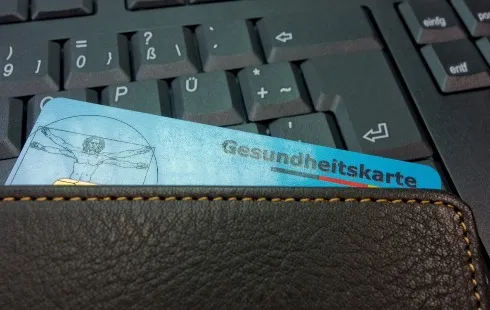
Both private Health Insurance in Germany and public insurance, is often complicated to navigate, not to mention expensive. As an expat, you are required to navigate this landscape within weeks of arriving, so check our FAQ on PKV. For our guide on resources and access to agents who can give you a competitive quote, try our PKV Cost comparison tool.
Germany is famous for its medical expertise and extensive number of hospitals and clinics. See this comprehensive directory of hospitals and clinics across the country, complete with links to their websites, addresses, contact info, and specializations/services.
Join us at the Kunstraum in der Au for the exhibition titled ,,Ereignis: Erzählung" by Christoph Scheuerecker, focusing on the captivating world of bees. This exhibition invites visitors to explore the intricate relationship between bees and their environment through various artistic expressions,...



No comments yet. Be the first to comment!