
Why Turquoise Is Becoming Most Viral Color of 2026
Section: Fashion
In a significant political development ahead of the upcoming chancellor elections, Friedrich Merz, leader of the Christian Democratic Union (CDU), presented the party's lineup for a potential new government in Berlin. This announcement comes just over a week before the scheduled vote, aiming to steer Germany back on course following the previous failed coalition of the Social Democratic Party (SPD), the Greens, and the Free Democratic Party (FDP).
Merz's proposed cabinet features a blend of seasoned politicians and newcomers, aiming to balance experience with fresh perspectives. The key appointments include:
Chancellor's Office: Thorsten FreiThorsten Frei, a 52-year-old legal expert and one of Merz's trusted associates, is slated to lead the Chancellor's Office. Frei has been an influential figure within the CDU, notably as the manager of the parliamentary group. Critics, however, have pointed out his lack of experience in government roles, despite his political acumen gained through previous positions, including as an Oberbürgermeister in Donaueschingen.
Foreign Affairs: Johann WadephulJohann Wadephul, a 62-year-old member of the Bundestag since 2009, is expected to take on the role of Foreign Minister. This marks a notable shift for the CDU, which has not held this position for nearly six decades. Wadephul has been actively engaging with foreign counterparts, positioning himself as a key player in shaping the party's international relations strategy.
Digitalization and State Modernization: Karsten WildbergerLeading the newly established Digital Ministry is Karsten Wildberger, a distinguished manager from the business sector. His extensive background in digital transformation comes from his previous roles at major companies, including Ceconomy and E.ON. Wildberger's appointment reflects the party's commitment to enhancing Germany's digital landscape.
Economy and Energy: Katherina ReicheReiche's nomination as Minister of Economy has surprised many, given her extensive background in both politics and the energy sector. Having previously served in the Bundestag and held various significant positions, she is recognized for her ambitious agenda and strong networking capabilities.
Transport: Patrick SchniederPatrick Schnieder is set to become the new Minister of Transport, bringing years of experience in the Bundestag and a focus on infrastructure development. His role is crucial, especially with the government's plans to allocate a substantial budget for the modernization of transport infrastructure.
Health: Nina WarkenNina Warken's unexpected nomination as Health Minister has raised eyebrows, as she transitions from her previous role focused on internal affairs. Although lacking extensive experience in health policy, her position indicates a shift towards a renewed focus on health issues within the CDU.
Education and Family: Karin PrienKarin Prien, a prominent figure in education policy, is expected to lead the Ministry of Education and Family. Her experience as the current education minister in Schleswig-Holstein highlights her commitment to advancing educational reforms in Germany.
In addition to the main cabinet positions, the CDU has appointed five state secretaries who will support various ministries, including culture and media, with experienced figures filling these roles.
The CDU's proposed cabinet will be formally introduced at a party conference in Berlin, where members will vote on the coalition agreement with the SPD, marking a crucial step in the formation of the new government. This coalition represents one of the few viable options for a center party alliance following the elections, especially in light of the CDU's firm stance against partnering with the Alternative for Germany (AfD).
Section: Fashion

Section: Health Insurance

Section: News

Section: Politics
Section: Business

Section: Health

Section: Arts
Section: Politics

Section: Business
Section: Health Insurance
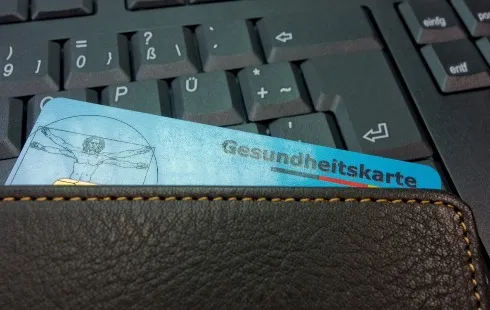
Both private Health Insurance in Germany and public insurance, is often complicated to navigate, not to mention expensive. As an expat, you are required to navigate this landscape within weeks of arriving, so check our FAQ on PKV. For our guide on resources and access to agents who can give you a competitive quote, try our PKV Cost comparison tool.
Germany is famous for its medical expertise and extensive number of hospitals and clinics. See this comprehensive directory of hospitals and clinics across the country, complete with links to their websites, addresses, contact info, and specializations/services.
Join us for the premiere of Echtzeitalter, a captivating theater production based on the novel by Tonio Schachinger. The story follows Till, a new student at a prestigious gymnasium, who grapples with the outdated teaching methods of his strict teacher, Dolinar. As Till navigates his elite...



No comments yet. Be the first to comment!